Trump's Wild Week: The King, the Oil Blockade, and Why Nobody Knows What's Actually Happening
A president threading the needle between UK diplomacy, Iranian brinkmanship, and his own administration's classified-information betting scandal. Here's what it actually means.
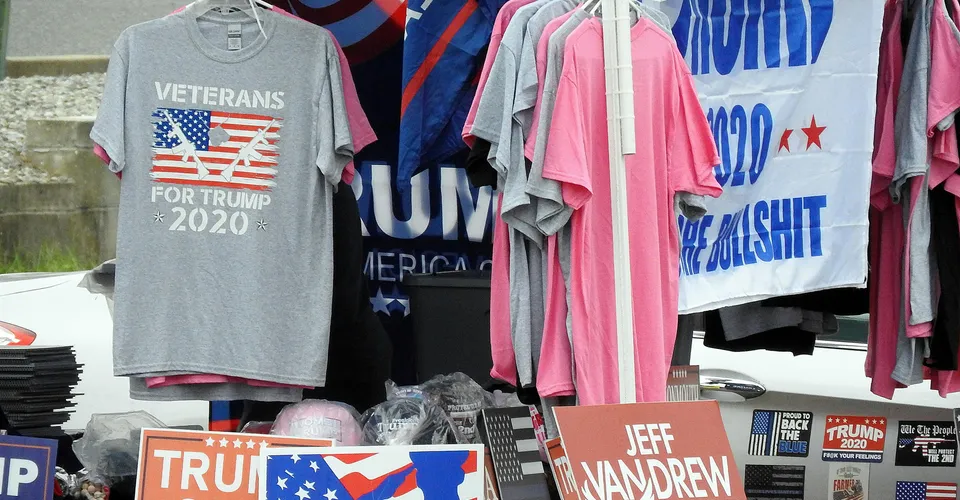
Trump spent this week doing three contradictory things at once, which is either genius or a harbinger of chaos—and I genuinely can’t tell which yet.
The visible story: King Charles is about to visit, and Trump told the BBC it could “absolutely” help repair US-UK relations. That’s diplomatic window-dressing at its finest. Meanwhile, Central Command has intercepted 33 Iranian vessels since imposing a blockade, and the president’s threatening to lay mines if more ships try to run it. And somewhere in the Justice Department, a US soldier is being charged for betting $400,000 on classified information about when Nicolás Maduro would be removed from power.
These aren’t three separate stories. They’re the same story told three different ways: a president escalating against Iran, trying to stabilize an alliance, and apparently presiding over an administration so loose with secrets that military intelligence is leaking into crypto betting markets.
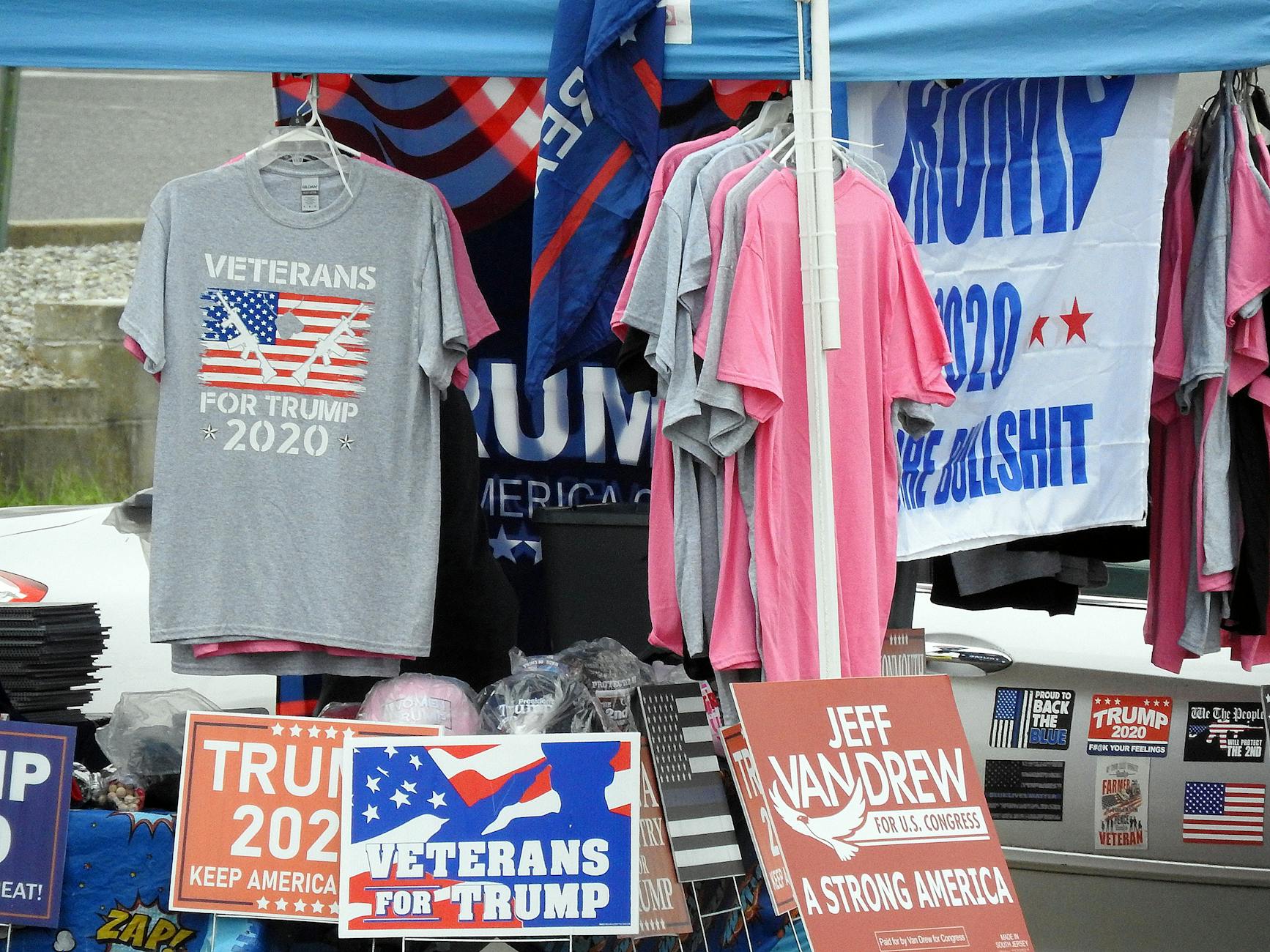 Photo by Allen Beilschmidt sr. / Pexels
The King’s Visit and the Diplomatic Band-Aid
King Charles coming to the US next week is a photo op dressed up as statecraft. Trump’s comments to the BBC suggest he’s willing to smooth things over with the UK—which makes sense given the relationship’s been rocky. British leaders have publicly criticized his policies, and there’s been mutual suspicion about the direction of the special relationship.
Here’s my honest read: Trump needs this visit to work because he needs someone in Europe to stick with him. The EU is fractious, France is unpredictable, and Germany’s already skittish. A UK prime minister showing up for tea and ceremony signals to Europe that Washington’s still the place that matters. It’s not about actual reconciliation. It’s about the optics of reconciliation.
The danger is he oversells it. If he uses the King’s visit to promise something he can’t deliver—trade deals he won’t follow through on, security commitments he’ll abandon—it’ll blow up worse than if he’d just stayed cold. British institutions move slowly. They’ll remember if he’s played them.
Iran: Blockade, Staged Videos, and the Fog of War
Now here’s where things get genuinely murky.
The US is actively blockading Iranian shipping. Thirty-three intercepted vessels isn’t a typo—that’s an aggressive campaign. But Iranian state media released a video of “masked forces” seizing ships, and analysis suggests the footage was filmed hours after the alleged seizures. That’s either a propaganda own-goal or evidence that Iran’s so desperate to look strong that it’s faking its own aggression.
This matters because it suggests Iran’s in a weaker position than the rhetoric suggests. Real military powers don’t fabricate combat footage. They don’t need to. Iran’s doing it because it needs to convince its own population that it’s still fighting.
The blockade, though? That’s real. And it’s working. The Iranian economy was already strained—oil exports are the regime’s lifeline. Cut that off, and you’re not just hurting the government. You’re hurting ordinary Iranians, which historically either (a) strengthens nationalist resolve or (b) destabilizes the regime from within. I’d bet on option (a) in the short term. Iranians hate foreign pressure more than they hate their government. It’s a feature, not a bug, of Middle Eastern politics.
The question nobody’s asking: What happens when Iran’s back is completely against the wall? The recent power shift—with the Revolutionary Guards taking more control after Khamenei’s death—means you’ve got a military-dominated collective leadership. Those guys have something to prove. Cornered militaries do unpredictable things.
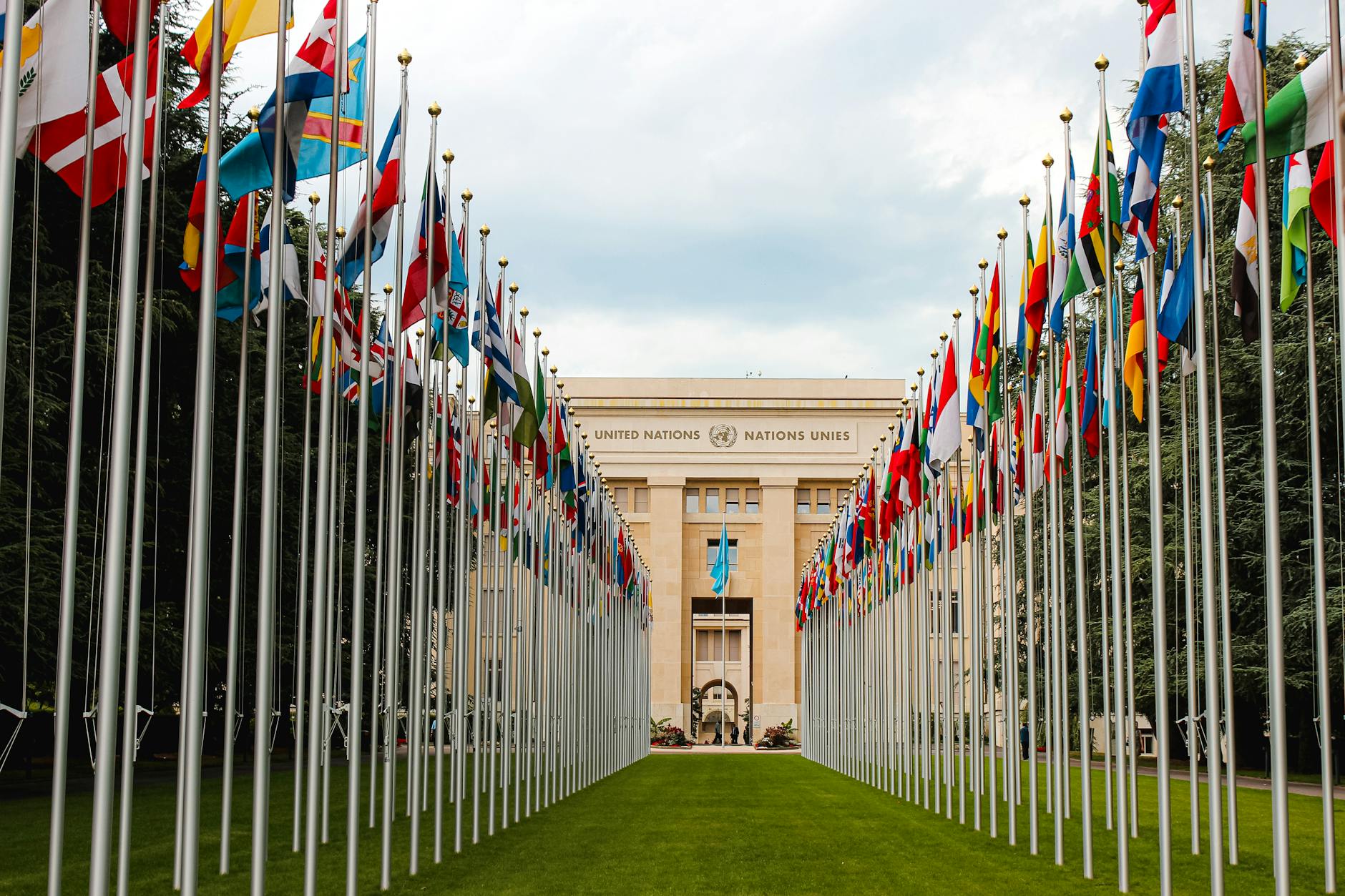 Photo by Mathias Reding / Pexels
The Soldier, the Crypto Bet, and the Leak You Should Be Terrified About
A US soldier bet $400,000 on Polymarket about Maduro’s removal. He apparently did this using classified information. He got caught.
Stop and think about what this actually means. Classified intelligence about regime change operations—real, specific intelligence about what the US government was planning—leaked into a public crypto betting market. Not to journalists. Not to Congress. To crypto traders. For profit.
This isn’t just a security failure. It’s an indictment of how compartmentalized (or not) Trump’s decision-making actually is. How many people knew what? How much did this soldier know? And if he knew enough to bet four hundred grand on it, who else knew?
My gut says this is one of those stories that looks like a scandal now but becomes a much bigger scandal in six months when journalists actually chase it. The initial reporting focused on the soldier. But the real story is: What’s the chain of custody on US policy toward Venezuela? Who briefs whom? How confidential is “classified”?
Trump’s Venezuela policy has been chaotic since day one. Floating support for different factions, mixed signals, constant contradictions. Maybe that chaos runs deeper than anyone thought. Maybe it runs straight through a crypto betting account.
The Larger Pattern: Everything’s Unraveling at the Edges
What ties these three stories together isn’t just Trump. It’s a system under stress.
The UK diplomatic visit is happening because the traditional alliance structure is creaking. NATO’s alive but weakened—the EU’s so busy managing its own defense obligations without the US that it’s starting to ask whether Article 5 even matters anymore. (Spoiler: European defense planners are genuinely worried it doesn’t.)
The Iran blockade is happening because the previous nuclear deal is dead, alternatives are exhausted, and the US is defaulting to raw pressure. It works until it doesn’t. History suggests it doesn’t for long.
And the soldier betting on classified Maduro intel? That’s what happens when an administration runs on instinct and loyalty instead of process. Information doesn’t stay classified when it’s treated like a secret between friends.
I think we’re watching a presidency that’s confident it can bend reality through sheer force of will. The King’s visit will be photogenic. The blockade will squeeze Iran. The soldier will take a fall. But underneath, the actual mechanisms of statecraft—the things that keep alliances intact and secrets secure—are fraying.
What I’m Watching
The three-week Lebanon ceasefire extension. Trump said Israel and Lebanon agreed to extend the truce. If that holds past mid-March, it suggests there’s actual diplomatic momentum and Iran/Hezbollah are genuinely constrained. If it collapses, we’re back to active conflict, which destabilizes the entire region and probably tanks any UK diplomatic reset.
Iranian oil prices and regime stability. Watch whether crude hits $80/barrel by summer. If the blockade actually starves Iranian oil sales, you’ll see it in global prices within 60 days. More importantly, watch for internal Iranian dissent—strikes, protests, factional tension between the Revolutionary Guards and other power centers. That’s the real tell for whether the blockade is working or backfiring.
Whether more Polymarket leaks emerge. If this soldier’s case leads to discovery of other intelligence-fueled betting, you’re looking at a genuine constitutional crisis around classification and executive oversight. That’s not hyperbole. That’s a system breaking.