The West's Peace Plans Are Running Into a Wall Called Reality
From Lebanon to Ukraine to the Iran nuclear talks, diplomacy is colliding with actors who won't cooperate. Here's what that means.
The Lebanese government is walking into peace talks with Hezbollah next week with basically no leverage. Hezbollah isn’t bound by what Beirut agrees to. The group answers to Tehran, not to the cabinet ministers trying to negotiate. This is the central problem nobody wants to say out loud: you can’t negotiate with a party that refuses to show up as a party.
This isn’t new, but it’s accelerating everywhere at once.
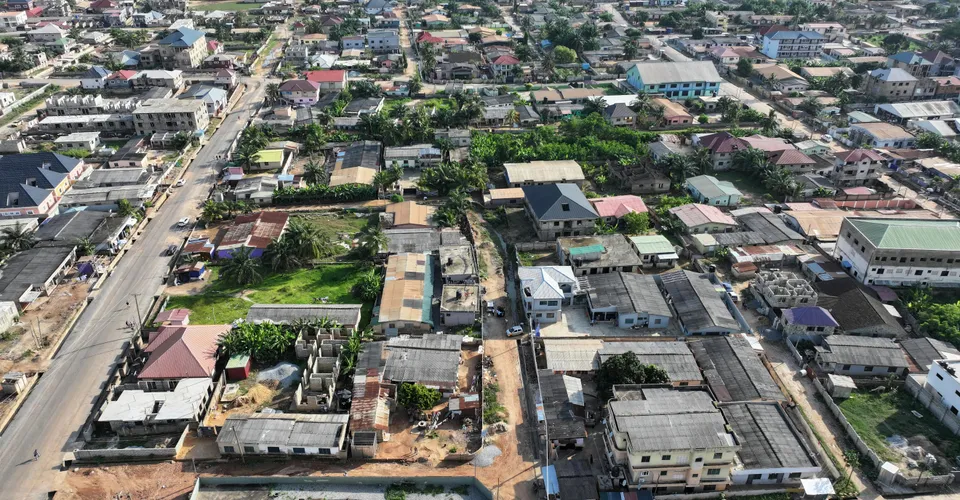
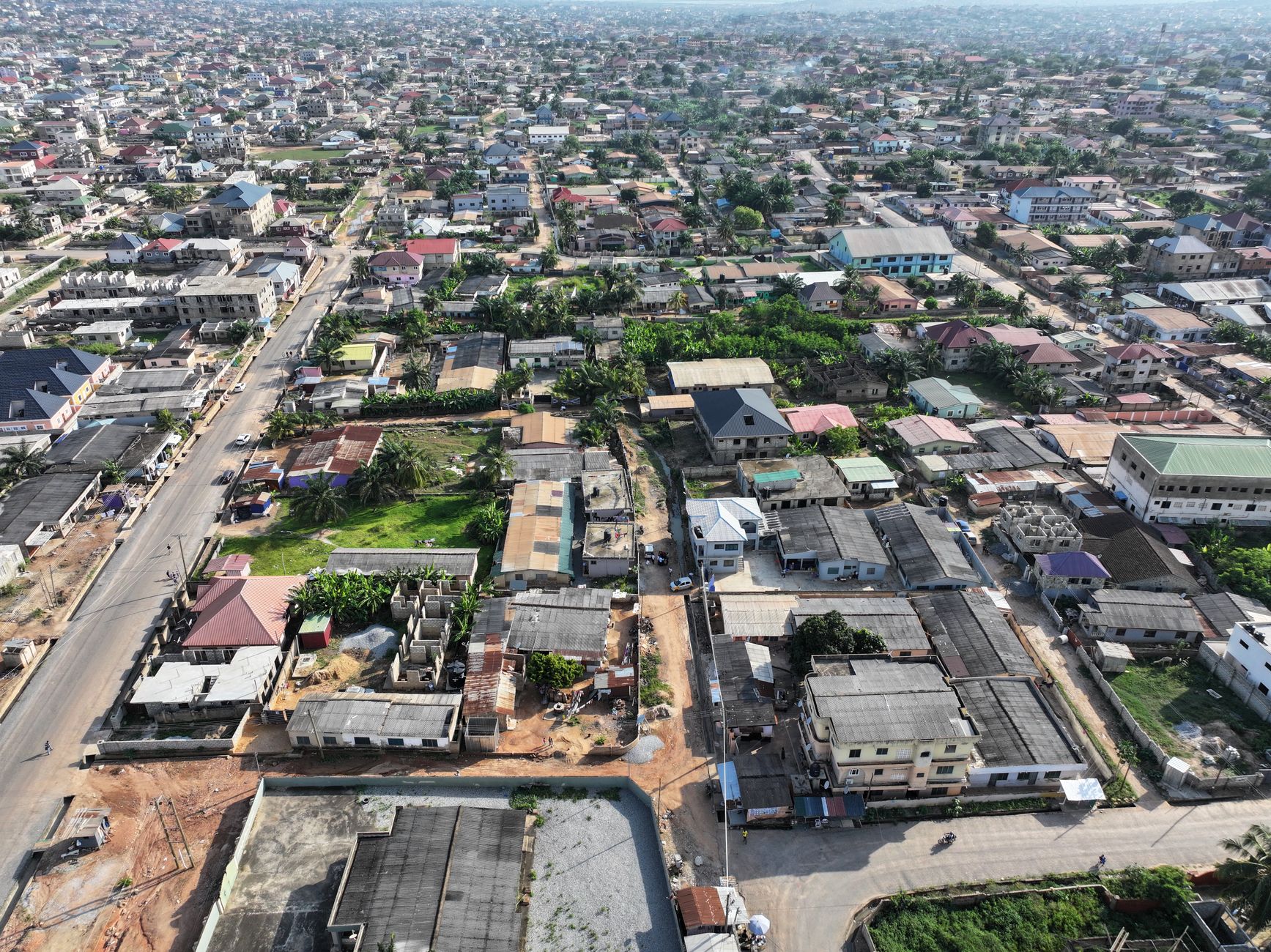 Photo by Cephas Phasoqaw / Pexels
When the Other Side Won’t Play by the Rules
Hugo Bachega reported from Nabatieh, a Lebanese city that used to be something. Now it’s empty. Paramedics are working in a ghost town. The strikes keep coming—Israeli jets don’t respect ceasefire talk schedules. One paramedic told the BBC they’re striking everywhere. The Lebanese negotiators will sit down and discuss terms while bombs fall on the country they’re supposed to be representing. Hezbollah, meanwhile, will decide separately what it does next.
This is what happens when you’ve got a state trying to make peace with a non-state actor that has its own air force (in everything but name). Lebanon’s weak. Hezbollah’s strong. The math doesn’t work.
The Iran nuclear talks are playing out a similar script, just with different props. The U.S. wants Iran to suspend uranium enrichment for 20 years. Iran offered five years. That’s not a negotiation gap—that’s a values gap. Five years means “we’re pausing while we wait you out.” Twenty years means “we’re actually changing course.” Trump’s team knows this. Iran’s negotiators know this. Nobody’s moving because both sides are waiting for conditions that suit them better.
Meanwhile, migrant workers in Dubai are getting furloughed because the economic chill from the Iran tensions is hitting hospitality hard. Bahrain arrested someone and he died in custody with torture marks. The U.N. wants an investigation Bahrain probably won’t cooperate with. The system is cracking.
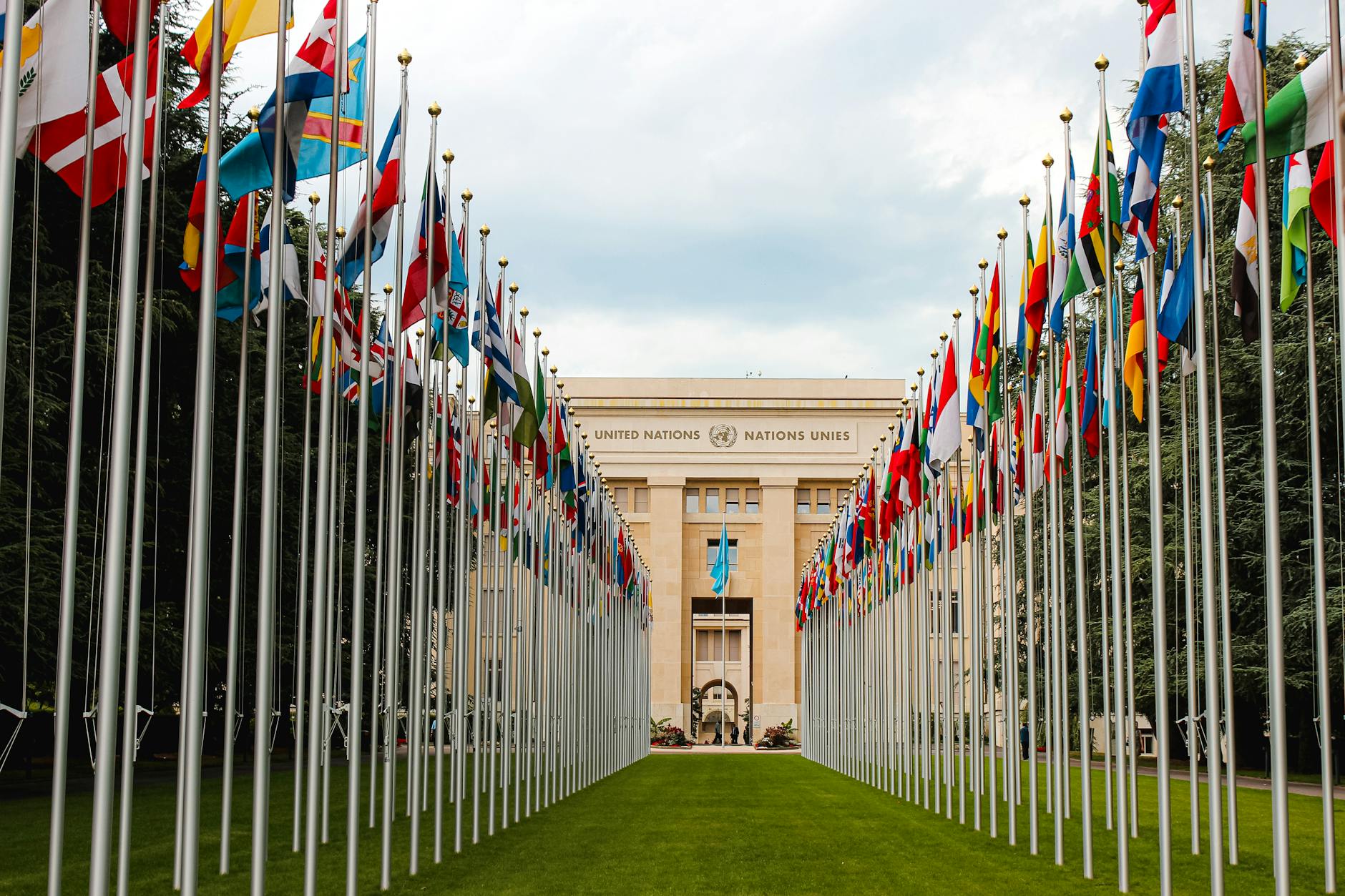 Photo by Mathias Reding / Pexels
The Illusion of Democratic Leverage
Here’s where it gets interesting. Mark Carney just won a supermajority in Canada with a centrist coalition. The man’s a rockstar in liberal circles—Bank of England, Bank of Canada, Goldman connections, the full elite résumé. Critics are already crying foul about the special elections, which suggests his victory isn’t sitting right with people who care about democratic legitimacy.
But here’s my read: Carney represents exactly the kind of leader the Western order thinks it needs right now. Technocratic. Pragmatic. Able to work with business and government simultaneously. He looks like he can solve problems. He probably can’t. Not the ones that matter anyway.
Hungary’s next PM, Péter Magyar, is saying something more honest. He’s saying he won’t call Putin, but if Putin calls him, he’ll tell him to stop the Ukraine war. That’s not exactly a commitment to the Western alliance. It’s a refusal to pretend. Russia’s already offered him “pragmatic relations.” He’s leaving the door open.
This matters because it shows how thin the consensus actually is. Carney has 50 percent plus one in Canada. Hungarian leadership is flirting with Moscow. Lebanon’s government can’t control its own territory. These aren’t isolated incidents. They’re symptoms of the same disease: Western-style diplomacy assumes everybody wants to play the same game, and they’re discovering that’s false.
Photo by Mathias Reding / Pexels
The Mercenarization of Border Control
Then there’s Greece, where police are literally using masked migrants as mercenaries to push other migrants back across the border. This has been happening since at least 2020. It’s not policy. It’s not official. It’s what happens when states decide the normal tools don’t work anymore.
This should horrify everyone. It does horrify some people. But most democracies are too focused on their own domestic legitimacy crises to care much. Greece is getting away with it because nobody powerful enough to stop it wants to expend the political capital. That’s the real story.
Compare this to 2015, when the EU was freaking out about migration. There were marches. Merkel got defensive. Now? Mercenarized pushbacks, and the conversation moves on. We’ve normalized the abnormal so fast that brutal illegality just becomes Tuesday.
The Question Nobody’s Asking
A hospital in Pakistan is reusing syringes on children. They’ve got an HIV outbreak. When BBC filmed it, there was staff injecting without gloves, obviously unsanitary work. The hospital boss denies the footage is real. He’s not even bothering with a good lie. He’s just refusing reality.
This connects to everything else. At every level—diplomatic, border control, public health—institutions are either losing power or admitting they never had it to begin with. The Lebanese state didn’t lose control of Hezbollah overnight. It slowly stopped mattering. The hospital in Pakistan wasn’t secretly excellent—it was always like this. We’re just seeing it now.
The question is whether this is the moment things break or whether we’re already in the slow break and nobody’s noticed. I think we’re in the slow break.
What Actually Happens Next
Here’s my prediction: The Lebanon talks collapse not because of a specific incident but because they’ll reach a deal that Hezbollah refuses to honor. Then everyone will act shocked. The Iran nuclear timeline will slip another year or two. The U.S. will tighten sanctions. Iran will enrich higher. Nothing escalates to war, but the space for actual agreement keeps shrinking.
Carney will have real successes on trade policy and climate stuff—things that don’t require perfect compliance from actors with competing interests. He’ll look effective. He won’t solve homelessness or housing costs in Canada because those problems need different tools. But he’ll be the right guy for a time when people want competent management of decline rather than reversal of decline.
And Hungary? They’re going to be the canary. If Péter Magyar actually gets elected and actually does answer Putin’s calls with skepticism about Ukraine, that’s the moment the Western alliance admits it’s not actually an alliance. It’s just the countries that happen to agree right now, which is fewer every quarter.
The migrants will keep being pushed back. The hospitals will keep being unsanitary. The negotiators will keep negotiating with people who don’t feel bound by negotiations.
What I’m Watching
-
Iran enrichment levels by Q2 2025. If they hit 80% purity (weapons-grade territory), the five-year vs. twenty-year question becomes academic. That’s the threshold where someone’s hand gets forced.
-
Hezbollah’s response to any Lebanon ceasefire agreement within 30 days. If they reject it, the Lebanese state’s diplomatic credibility evaporates completely. If they accept but don’t honor it, same result, just slower.
-
Péter Magyar’s election results and his first call with Putin (if it happens). Not whether it happens—whether he takes it and what he says after matters more than the policy itself. It’ll signal whether Hungary’s actually leaving or just negotiating.
-
The Greek migrant pushback mercenaries. Watch for EU investigations or sanctions. If there are none by mid-2025, it’s officially tolerated. That’s the moment Europe admits its borders matter more than its values.