The West Is Fracturing and Nobody's Pretending Otherwise Anymore
From Lebanon to Budapest to the Arctic, the old alliance system is collapsing in real time. Here's what happens next.
The Lebanese government walked into peace talks with Hezbollah last week knowing it had almost no leverage over the one group that actually matters in this negotiation. Let that sink for a second. A sovereign nation can’t negotiate its own ceasefire because a militia answers to Tehran, not Beirut. This isn’t a new problem, but the world’s willingness to pretend it’s solvable has evaporated.
Meanwhile, paramedics in Nabatieh are working in a ghost city. The BBC filmed them moving through streets so empty they look post-apocalyptic. One doctor told the correspondent that Israeli strikes aren’t hitting military targets anymore—they’re hitting anywhere. The hospital system is collapsing. And yet somehow this is just one thread in a larger unraveling that barely makes the evening news cycle anymore.
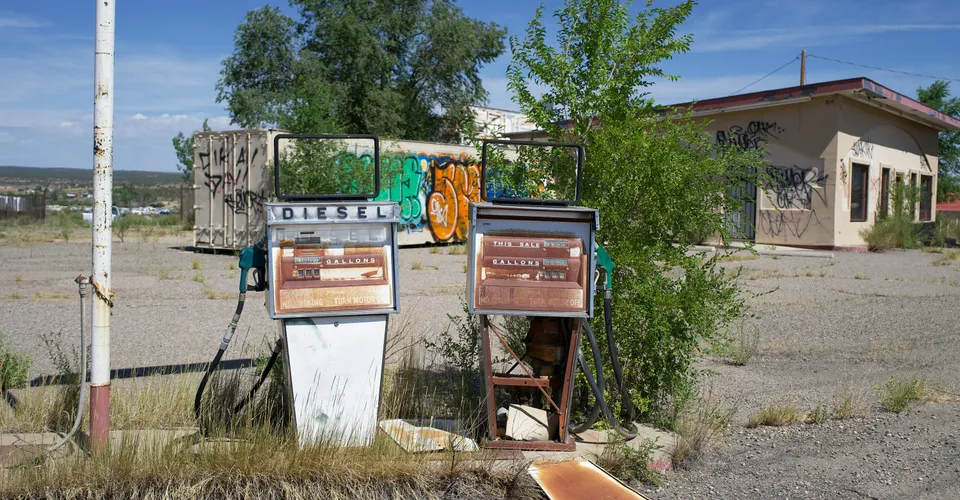
 Photo by Strange Happenings / Pexels
When Allies Stop Pretending
Péter Magyar, who’ll likely be Hungary’s next prime minister, just said something that would’ve been unthinkable five years ago: if Putin called, he’d tell him to stop the Ukraine war, but he wouldn’t call first. That’s not diplomacy. That’s a guy basically saying, “I’m not interested in being your partner, but I’m not your enemy either.”
Russia’s already signaling it’s fine with this arrangement—offering “pragmatic” relations to Budapest. Translation: we’ll work around the EU framework, no drama, no ideology. Hungary’s been drifting from the Western alliance for years, but this is the moment it stops pretending. And here’s what matters: everyone knows this is happening. No one’s shocked. No emergency summits. No real consequences yet.
The Trump administration is running a different playbook than its predecessor, and Europe’s starting to accept that the American security umbrella is being folded up. Denmark just committed $250 million to rebuilding Mykolaiv in Ukraine—a city that was flattened by Russian strikes. Not because NATO demanded it. Because they’ve realized the U.S. isn’t going to be their reliable partner for the next 20 years the way it was for the last 70.
The Migrants Are Always the Barometer
When things get real, you watch what happens to the people with no power.
Greek police have been recruiting masked migrants to forcibly push other migrants back across the border since at least 2020. The BBC got footage. The practice is still happening. No one’s been prosecuted. The EU’s border policy isn’t even the scandal here—it’s that we all knew this was happening and decided the information cost more than the problem.
In the UAE, migrant workers who built the hospitality industry are now getting furloughed and repatriated because the regional economy tanked when tensions with Iran escalated. The war didn’t touch Dubai directly. But the uncertainty did. When investors get spooked, the first people gone are the ones without contracts.
Pakistan’s hospital system is injecting children with reused syringes while the hospital director denies the footage is real. An HIV outbreak. Preventable. Denial that’s almost absurd in its brazenness.
These aren’t separate stories. They’re the sound of institutional collapse in slow motion.
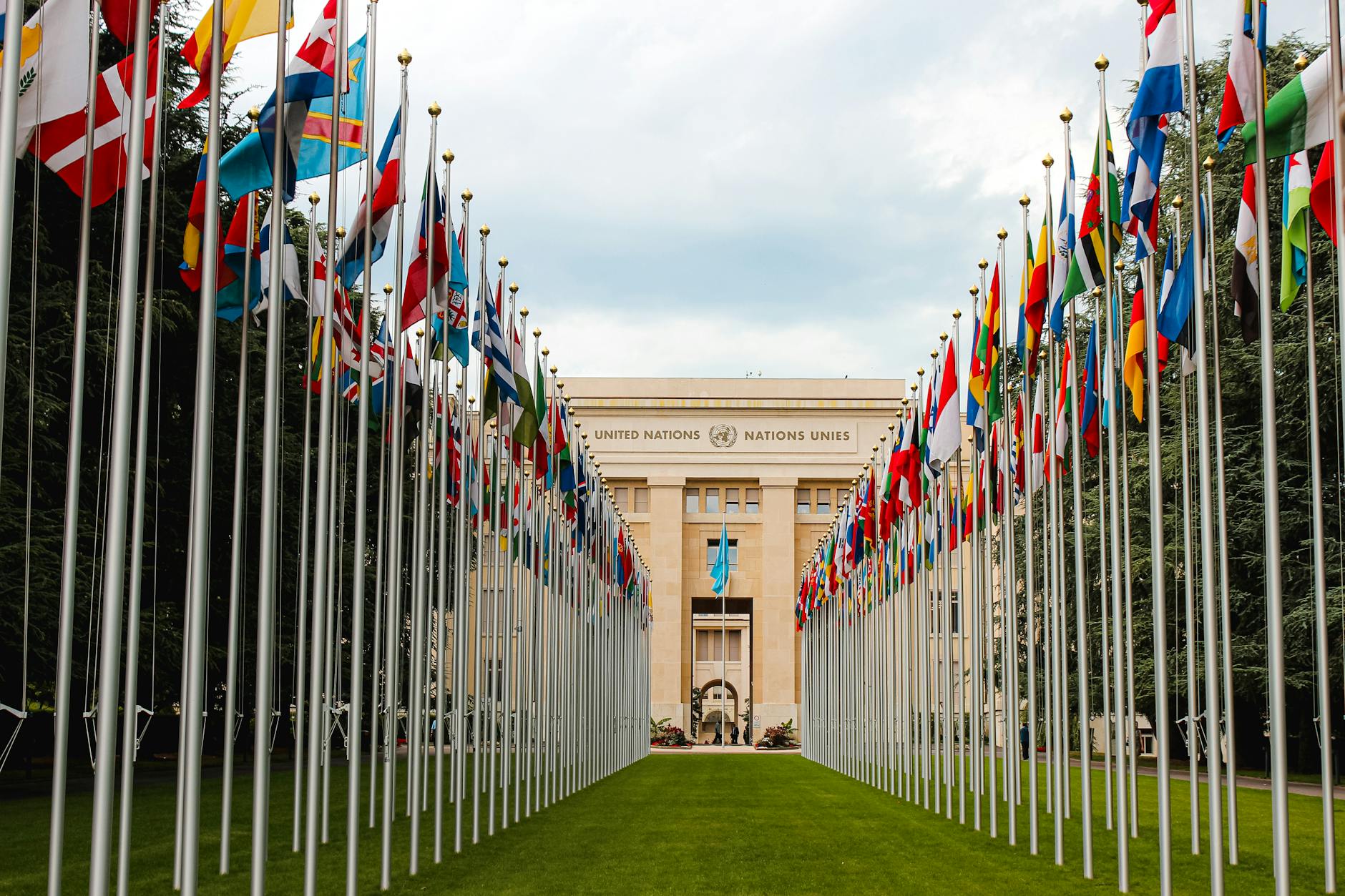 Photo by Mathias Reding / Pexels
The Nuclear Hostage Situation
The Iran nuclear talks are stuck on a number. Iran’s willing to suspend uranium enrichment for five years. The Trump administration wants 20.
Let me be blunt: both sides are negotiating from the assumption that the deal will eventually break anyway. The U.S. thinks Iran’s lying about intentions. Iran thinks America will just withdraw again whenever domestic politics shift. So they’re haggling over the length of a ceasefire they both expect to end.
The real tell is that neither side’s even pretending this is about trust anymore. It’s about buying time. Iran gets five years to work on other things. America gets to say it did something serious about proliferation. Everyone knows the actual endgame hasn’t changed.
What’s wild is how this connects to everything else. The migrant workers in Dubai losing their jobs, the Lebanese government negotiating from weakness, Bahrain detaining people on espionage charges with alleged torture marks—these are all symptoms of the same regional instability that makes the Iran negotiations unworkable.
The Mark Carney Election
In Canada, the Liberal Party just consolidated a majority in special elections with Mark Carney as the rising star. He’s a centrist technocrat who understands global finance and talks like he’s solving problems.
Critics are saying the elections were rigged somehow. I don’t have evidence that’s true, but I understand why people think it. Carney represents exactly the kind of institutional continuity that’s supposed to fix things—better management, smarter policy, less drama. The fact that people immediately assume corruption isn’t the story. The story is that people don’t believe institutional continuity solves anything anymore.
He’s got 20 years of experience in high-level finance and diplomacy. He should theoretically be exactly what you’d want running a country. Instead, he’s inheriting a political system where voters assume the deck is stacked regardless of who’s dealing.
My Read
The West isn’t collapsing overnight. It’s fracturing at the institutional level while the military-industrial base holds steady. You can see it in the gaps: Hungary drifting, Denmark going it alone on Ukraine, the EU unable to speak with one voice on Iran, America under new management signaling it’s renegotiating everything from first principles.
The old alliance system worked when all parties believed in a shared future. That belief is gone. What’s replacing it isn’t enemies—it’s transactional relationships where countries optimize for their own quarter without pretending it serves some larger purpose.
I think we’re about to watch a decade where the diplomatic infrastructure just… doesn’t work anymore. Not because it’s broken, but because everyone’s operating with different assumptions about what comes next.
The Middle East is the canary. Lebanon can’t govern itself. Iran’s willing to have fake negotiations that buy time. The UAE’s economy is fragile enough that regional tensions directly hurt migrant workers. Bahrain’s torturing people over espionage. This isn’t a functioning region negotiating differences. It’s a collection of governments managing collapse while pretending they’re not.
My prediction: by Q4 2025, we’ll see a major NATO member either formally signal non-alignment or explicitly negotiate separate security arrangements with a non-Western power. Not as a crisis—as bureaucratic fait accompli. By then, it’ll just be the next news cycle.
Photo by Mathias Reding / Pexels
What I’m Watching
-
The Lebanon ceasefire actually holding past 90 days. If it doesn’t, it’s not a failure of diplomacy—it’s proof the Lebanese government has zero actual authority. Watch whether Hezbollah honors any agreement independently of what Beirut officially signs.
-
Which NATO member copies Hungary’s “pragmatic relations” playbook first. This is the real test. Once two countries are doing it, it’s a trend. Once it’s three, it’s a system. I’m betting Poland or Romania signals some form of separate Russian engagement by mid-2025.
-
Whether the Iran nuclear talks actually produce a deal or just extend the current freeze. The number they land on—five years or 20—tells you everything about whether either side believes long-term cooperation is possible. If they split the difference, that’s actually bad news. That’s people negotiating as if nothing will change.
-
Mark Carney’s first major policy test. Watch how he handles the first genuine Canadian-U.S. trade friction. Does he defer to American interests to build credibility? Or does he stake out ground? His choice will tell you whether centrist institutional politics still has a future.