The Week Everything Got Weird and Nobody's Sure What Happens Next
A ceasefire, a cancelled festival, striking doctors, and Trump's Iran gamble all landed at once. Here's what actually matters.
The past week felt like someone shuffled three different news cycles together and hit play. A ceasefire in the Middle East. A rapper banned from the UK. Doctors walking out. A special election in Georgia nobody was paying attention to. On the surface, these are isolated stories. But stack them together and you see something more interesting: a moment where governments are playing for keeps, and nobody’s quite sure if anyone’s winning.
Let me start with the thing that actually matters: Trump and Iran just stepped back from the edge, and literally nobody knows what happens next.
The Iran Thing Isn’t Resolved—It’s Just Paused
Here’s what we know. Trump went to war with Iran rhetorically and militarily. Iran responded. Then, suddenly, both sides agreed to a ceasefire. Trump’s claiming victory. Democrats are asking sensible questions. Republicans are mostly staying quiet.
But read between the lines and you see the real story: Trump’s intimidation worked for about 72 hours.
The ceasefire is real. Starmer’s already pivoting, pledging UK support to keep it on life support. That’s the diplomatic move—get ahead of the thing before it explodes again. But here’s what keeps me up at night: the fundamental issues that caused this crisis in February haven’t changed one bit. Not the nuclear program. Not regional proxy wars. Not the Strait of Hormuz. Nothing.
This is a tactical win masquerading as a strategic one.
 Photo by Markus Winkler / Pexels
I think Trump’s betting that a quick diplomatic win before the election matters more than actually fixing Iran policy. And you know what? He might be right. Most voters don’t track ceasefire sustainability metrics. They see “Trump stops war” in a headline and move on. But the people who actually study this stuff—the national security people—they know this is a band-aid on a sucking chest wound.
The rescue operation for the downed U.S. airman shows you how fragile this actually is. High-stakes, dangerous, the kind of thing that could spiral into something worse in 30 seconds. We got lucky. But luck doesn’t substitute for policy.
My prediction: This holds until November. After that, all bets are off depending on election results. If Trump wins, he probably doubles down on the intimidation strategy. If he doesn’t, a new administration inherits this mess and has to actually solve it—which is orders of magnitude harder than posturing about it.
Student Loans Get a Real Break; Doctors Stop Showing Up
Two totally different stories, same theme: the UK government’s trying to manage chaos with modest wins while essential services start collapsing.
The student loan interest rate cap at 6% is genuinely good news for Plan 2 borrowers. It’s not transformative—nobody’s celebrating in the streets—but it acknowledges a real problem. Rising inflation was going to hammer young people who already took on debt. This stops some of that bleeding.
But six days of doctors’ strikes happening simultaneously? That’s the NHS system under real stress.
Here’s the thing about healthcare workers going on strike: it works. It always works. The public sees it, gets nervous, and suddenly politicians care. The NHS is already telling patients to use emergency services only for emergencies. Translation: the system’s functioning at reduced capacity, and everyone’s tense.
This isn’t nurse burnout anymore. This isn’t abstract complaints about staffing levels. This is “don’t come to the hospital unless you’re actually dying” territory.
I don’t know how long this holds before a political breaking point. My read is Starmer’s got maybe four weeks of strike action before public opinion forces serious negotiations. The student loan move shows he’s capable of moving when pressure builds. Same playbook will apply here.
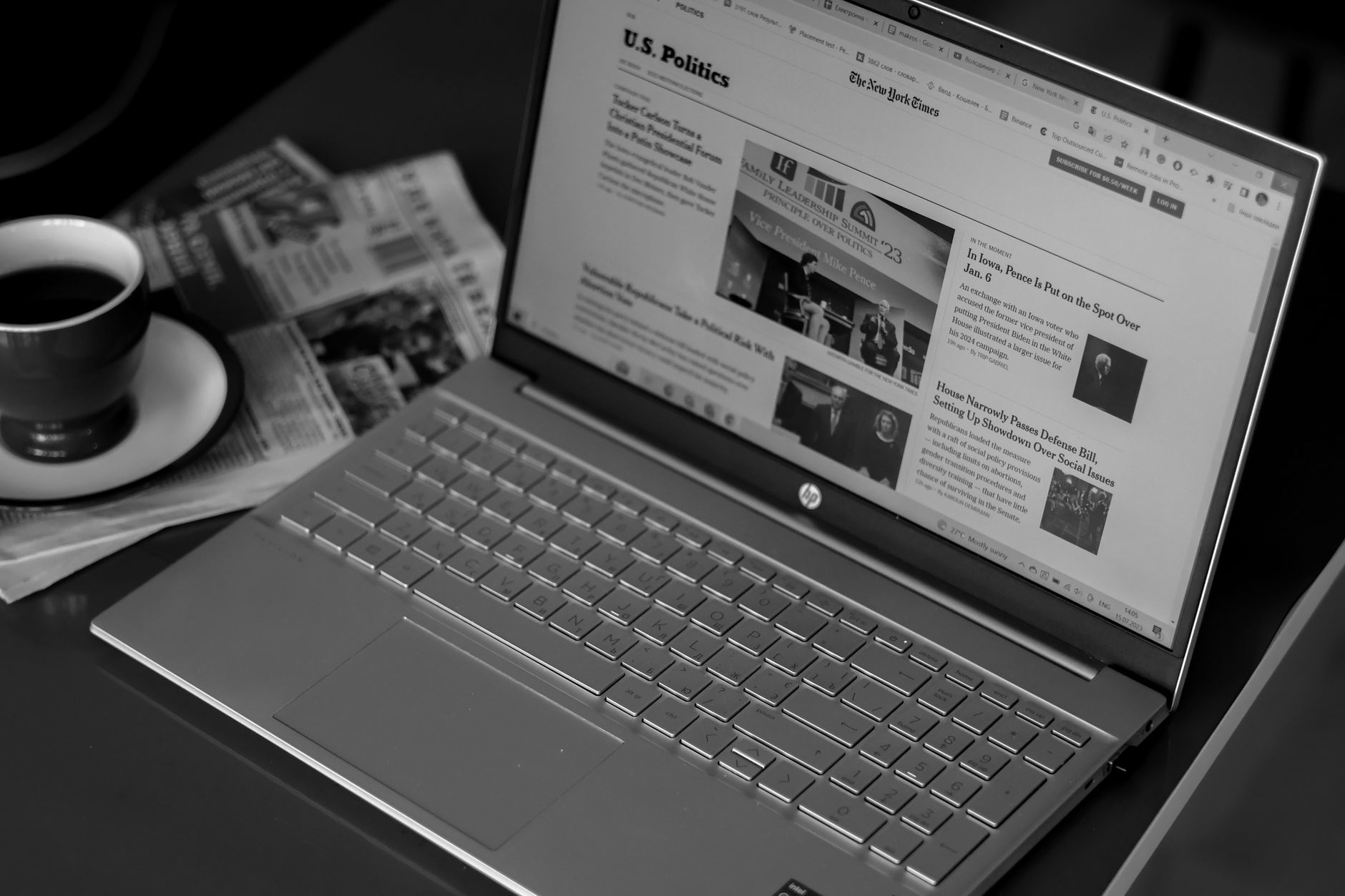 Photo by Anna Keibalo / Pexels
Georgia Election Nobody Noticed, But Should Have
Clay Fuller won the Georgia special election. Trump endorsed him. The district is conservative. This shouldn’t be surprising.
But here’s what’s interesting: Democrats actually thought they had a shot. They hoped for a strong showing. The fact that they competed at all in a Republican stronghold is worth noting. It suggests Trump’s endorsement still carries serious weight in red districts, which we already knew, but the fact that Democrats bothered to try hard suggests they’re looking for cracks.
They didn’t find one. Fuller won. Trump’s still the kingmaker in GOP primaries and special elections.
The Kanye West Thing Is Actually About Something Real
Wireless Festival got cancelled because Kanye West couldn’t come. He’s banned from the UK over past antisemitic comments.
This gets filed under “cultural consequence” but it points to something real about how democracies manage public figures who cross certain lines. The festival decided the reputational risk wasn’t worth it. Promoters made a business decision. West stays out.
I’m genuinely uncertain about what this means long-term. Are we entering an era where past hateful rhetoric gets you permanent bans? Or is this a specific case because his comments were particularly egregious? I can’t predict that, and I’m not going to pretend I can.
What I know: This happened. It matters to the music industry. It sets a precedent. Whether that precedent holds across other cases, I’ll let you know in six months.
Scottish Conservatives and the Obvious Play
Russell Findlay announced tax cuts ahead of the Holyrood election. Shocker. Conservative party wants lower taxes. Election’s coming. Nobody’s surprised.
I’m not going to pretend this is significant national news because it’s not. It’s regional politics playing predictable moves. The only thing worth watching is whether tax policy actually moves the needle in Scottish elections, or if it’s just noise. My bet: noise.
What’s Actually Happening Here
Step back and the week starts to cohere. Governments are all playing short-term games while medium-term problems stack up. Trump’s claiming victory on Iran while the deal’s fragile as eggshell. The UK’s offering student loan relief while healthcare workers strike. Conservative parties are promising tax cuts while hospitals function at reduced capacity.
It’s governance as triage. Stop the bleeding today, hope nothing gets worse tomorrow, deal with structural problems sometime after that (or never).
The reason this matters: this strategy works until it doesn’t. Until the ceasefire collapses. Until the strikes drag on six months. Until inflation comes back. Until the band-aids don’t stick anymore.
Most governments run this way, to be fair. But it gets more dangerous when multiple systems start fraying at the same time. You can’t focus political capital on Iran if the NHS is breaking. You can’t sell your coalition on student loans if foreign policy’s on fire.
We’re not in crisis mode yet. But we’re in the window where smart policymakers start worrying about cascade effects.
 Photo by Tara Winstead / Pexels
What I’m Watching
-
Iran ceasefire durability through October. Specific trigger: any significant Iranian proxy activity in the Gulf that forces Trump to respond militarily before the election. If that happens, the ceasefire collapses and we’re back to escalation. If it holds until November, Trump claims victory regardless of underlying policy quality.
-
NHS strike duration—specifically when Starmer moves. The moment he signals serious wage negotiations or working condition reforms, we’ll know he’s feeling political pressure. If he holds firm past mid-March, the strikes drag longer and public frustration builds. Timeline matters here.
-
Whether the UK’s student loan cap actually moves borrower behavior. This is underrated. If young people start choosing universities differently because debt’s slightly less punishing, that’s evidence the policy worked. If nothing changes, it was symbolic.
-
Clay Fuller’s actual voting record once he hits Congress. Does he vote with Trump every time? Or does he start showing independence like some of the post-2020 GOP class? His first 90 days matter for whether Trump-endorsed candidates maintain loyalty or develop backbone.