The War Isn't Over, But the Oil Profits Already Are
Trump says it'll end quickly. Iran's considering talks. And Shell just made a quarter-billion more. Here's what's actually happening in the Middle East—and why it matters for everyone else.
Three evacuees with hantavirus on a British cruise ship headed toward the Canary Islands. A ceasefire that might stick. Oil companies printing money. An Australian repatriation nobody’s talking about anymore. A Israeli strike that technically violates a deal. And UK voters about to torch their government in local elections.
These aren’t separate stories. They’re fragments of the same fracturing world.
The Quick War That Isn’t Quick
Trump’s in his second term and he’s already made a prediction that should make any foreign affairs analyst’s spine itch: the Iran conflict will be “over quickly.”
Pakistan, serving as mediator, says it’s “endeavouring to convert this ceasefire into a permanent end to this war.” That phrasing alone tells you everything—a ceasefire exists, but it’s fragile enough that a diplomat has to be publicly hopeful about it becoming permanent. If it was done, you wouldn’t need to convert anything.
I’ve covered enough conflicts to know this pattern. When someone says a ceasefire can become permanent, they mean it currently isn’t. The fighting hasn’t stopped; the shooting has paused. There’s a difference the size of a battlefield.
Trump’s timeline—quick resolution—doesn’t match the diplomatic reality. The U.S. has tried quick wars before. Iraq 2003, for one. That worked out great. My read is Trump’s confidence here is partly genuine (he does want a win) and partly transactional rhetoric (he’s already negotiating, so why not sound victorious?). But betting on “quick” in the Middle East is how you end up explaining to Congress why you’re still there in five years.
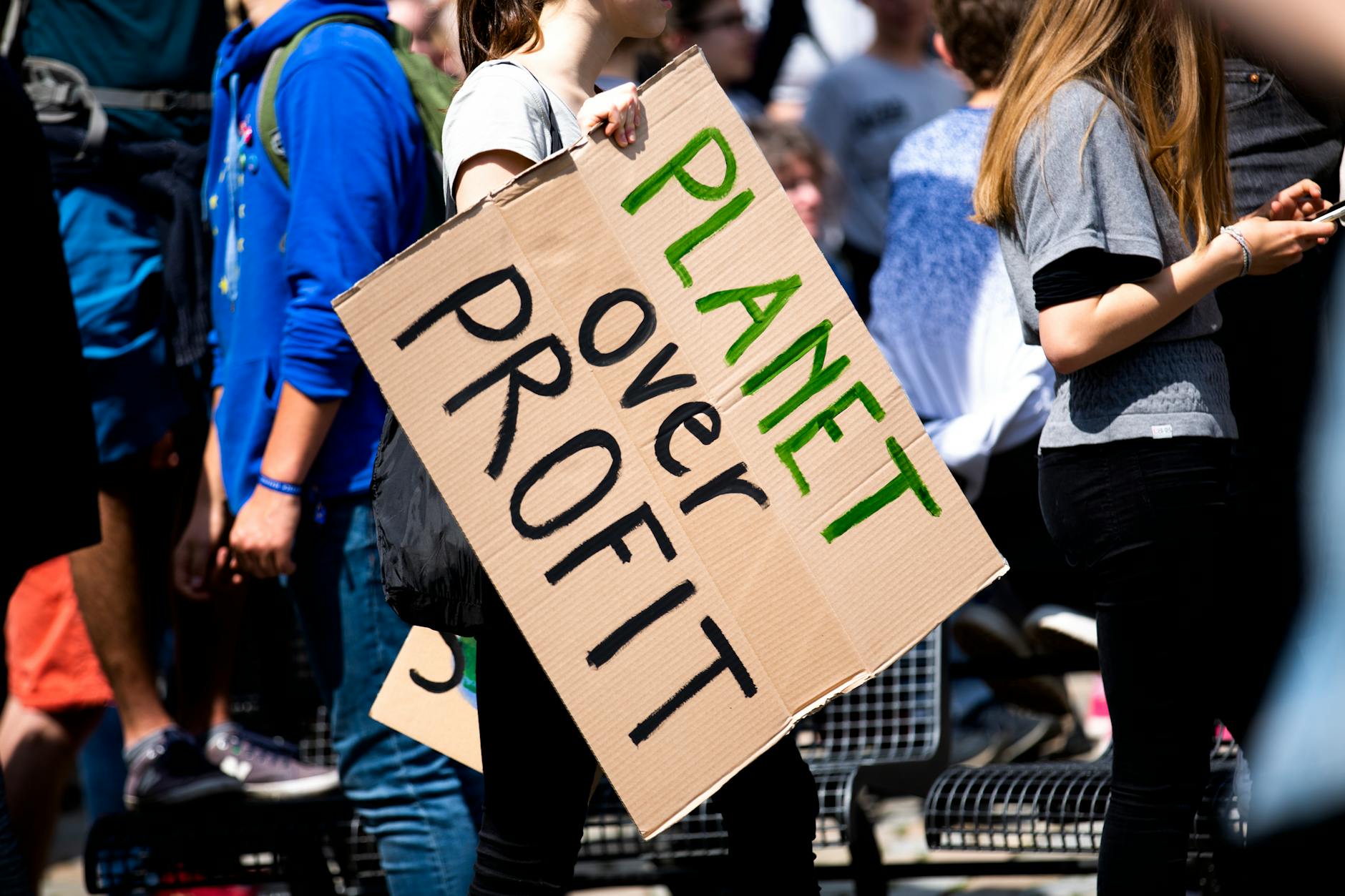 Photo by Markus Spiske / Pexels
The Ceasefire Nobody Fully Trusts
Israel just struck Beirut for the first time since the mid-April Hezbollah ceasefire.
Think about that sentence. A senior Hezbollah figure got killed in the capital of Lebanon while a supposed ceasefire’s supposedly in effect. Israel claims it was targeting a specific threat. Hezbollah and Lebanon probably see it as a test of how far they can push without triggering full retaliation.
This is textbook escalation management. Neither side wants all-out war right now, but both want to prove they haven’t surrendered. So you get strikes that are “justified” but technically violations, responses that are “restrained” but still deadly. It’s not peace. It’s a very expensive stalemate where people keep dying in controlled doses.
I’m genuinely uncertain whether this holds through the next 90 days. The strike was calculated—targeting a specific figure rather than infrastructure—which suggests both sides understand the red lines. But red lines shift when domestic politics shift. If Israel faces pressure from hardliners, or Hezbollah from Iran, this could unwind fast.
Shell’s Quarterly Bonus for Other People’s Conflict
Shell’s profits jumped nearly 25 percent. The company’s making an absurd amount of money because oil volatility spiked when the Iran situation destabilized.
This is the part of geopolitics they don’t teach in textbooks. Wars are bad for most things. They’re excellent for energy companies. When supply becomes uncertain, prices spike. When prices spike, oil majors that were already profitable become stupid profitable. Shell didn’t cause the conflict, but it’s absolutely benefiting from it.
This creates a weird incentive structure. Not because Shell’s executives are cartoon villains plotting wars (they’re not). But because stable markets are profitable in a steady way, while volatile markets are profitable in a spike way. Spikes are bigger and faster. Shareholders love spikes.
The question that haunts me: how much does that economic reality slow the push toward actual resolution? If the war drags on but stays controlled, oil stays elevated but not catastrophic. Everyone wins except the people in the middle.
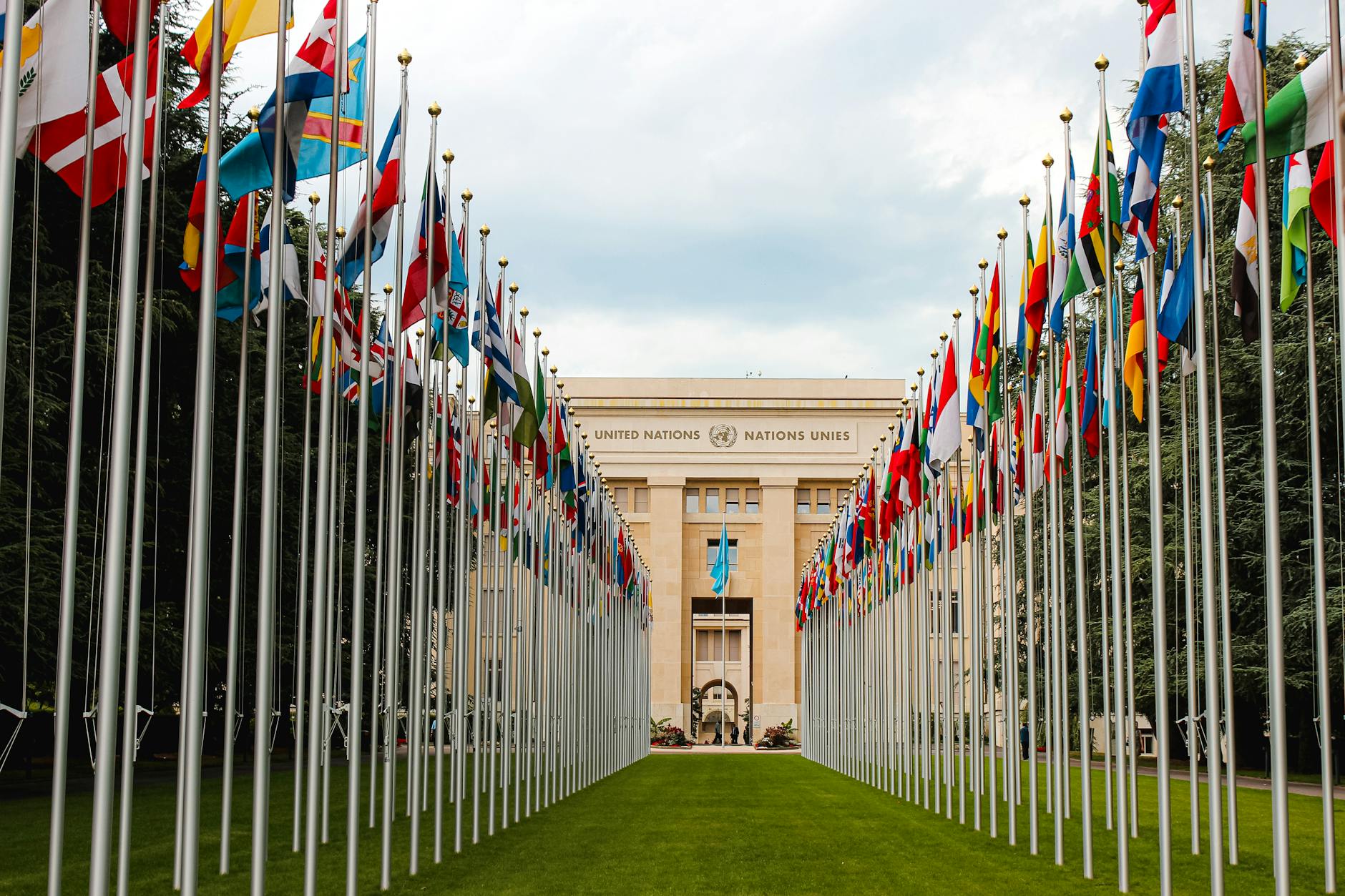 Photo by Mathias Reding / Pexels
Hybrid Attacks, Political Theater, and German Intelligence
German intelligence chiefs are warning privately about Iran-linked hybrid attacks. Chancellor Friedrich Merz is publicly downplaying the risk.
There’s a gap between what spies are saying happened and what politicians are saying happened. That gap is dangerous.
When intelligence officers warn of hybrid attacks and political leaders contradict them publicly, you’ve got a credibility problem. Either the threat is real and politicians are gambling with security for electoral reasons, or the threat is overblown and intel agencies are empire-building. Either way, something’s broken.
I think what’s happening here is institutional friction. Intelligence agencies see Iranian networks and proxy activity and flag it as dangerous. They’re probably right to be concerned—Iran does run hybrid operations, it’s done it elsewhere. But German politicians in 2025 are exhausted by threat inflation. They’ve had a decade of terrorism alerts that generated security theater without proportional danger. So when the spooks warn, they hedge.
The real risk? Something actually happens—a sabotage, a cyber operation, something that connects to Iran—and then the public’s response is shaped by whether they believe their government saw it coming. If leaders publicly denied the threat and then it occurred, that’s a legitimacy crisis.
The Repatriation Nobody’s Fighting Over
Nine women and children linked to ISIS fighters came home to Australia. Another woman and child arrived separately. They came from Syrian detention camps after years of legal and diplomatic wrangling.
This barely registered in the news cycle. Compared to the Beirut strikes or Trump’s war timeline, it seems minor. But it’s structurally important.
These women and children were trapped in legal limbo—not prisoners of Australia, not citizens of Syria, not quite anything. Bringing them home was messier politically than leaving them there (voters hate it, security services get nervous), but it was done anyway. Australia decided that repatriation, with all its complications, was better than indefinite detention.
This is the opposite of what’s happening everywhere else. While geopolitics stays deadlocked and frozen, Australia actually resolved something. It’s a tiny data point, but I’m watching for more of these—countries deciding that messy solutions beat perfect stalemates.
The Collapse Happening in Real Time
UK local elections Thursday. Labour’s expected to get decimated. Reform UK, an anti-immigrant party that barely existed three years ago, is making historic gains.
This isn’t about foreign policy directly. It’s about the political ground shifting under every establishment government’s feet.
Keir Starmer’s facing the kind of losses that reshape how leaders think about risk. When voters punish you hard enough, you change what you’re willing to do internationally. You become either more isolationist (can’t afford foreign entanglements) or more nationalist (can’t afford looking weak). Either way, the consensus that held foreign policy stable erodes.
Multiply this across Europe—France just had similar shocks, Germany’s fragmenting, Netherlands had a far-right surge. The institutions managing the Iran situation, the Israel-Hezbollah ceasefire, the oil markets—they’re staffed by people navigating domestic political collapse.
This matters because ceasefires work when everyone believes the other side will negotiate in good faith. Bad domestic politics makes bad-faith gestures look like electoral necessity. “Strike Beirut to show strength” becomes “strike Beirut because my voters want toughness.”
Photo by Mathias Reding / Pexels
What I’m Watching
The 90-day test of the Iran ceasefire. Pakistan’s doing the brokering work, but the actual durability will show in Q2. If we get through April without major escalation, we’re probably in managed stalemate mode. If it breaks, assume 6-month conflict minimum. Watch for whether Trump actually delivers on his “quick” rhetoric or pivots to “we inherited a mess.”
Whether that Israel-Hezbollah ceasefire survives the next Israeli strike. There will be another one. The question is whether Hezbollah treats it as escalation or accepts it as cost of the ceasefire. The moment they retaliate in kind—not restrained, but matched—the deal starts falling apart. That’ll take 60-90 days to develop.
Oil price volatility and corporate guidance in Q2 earnings. If Shell and its peers start guiding for stable oil (say, $75-85 per barrel) instead of elevated risk premiums, that’s a market signal that investors believe the conflict’s getting managed. If they guide for continued volatility, someone knows something we don’t.
How hard Labour losses reshape UK foreign policy. Starmer’s probably getting ousted within 18 months if Thursday’s as bad as polls suggest. Watch what his replacement prioritizes—isolation, NATO retrenchment, or aggressive posturing to reclaim the nationalist vote. That choice gets made in the next Labour leadership fight, probably by fall.
The war isn’t over quickly. It’s barely started being over slowly. And everyone profits except the people actually in it.