The US Just Rescued a Pilot From Iran. That's Not the Story.
While Washington celebrates a daring extraction, the real alarm bells are ringing elsewhere—and they're about something far more destabilizing.
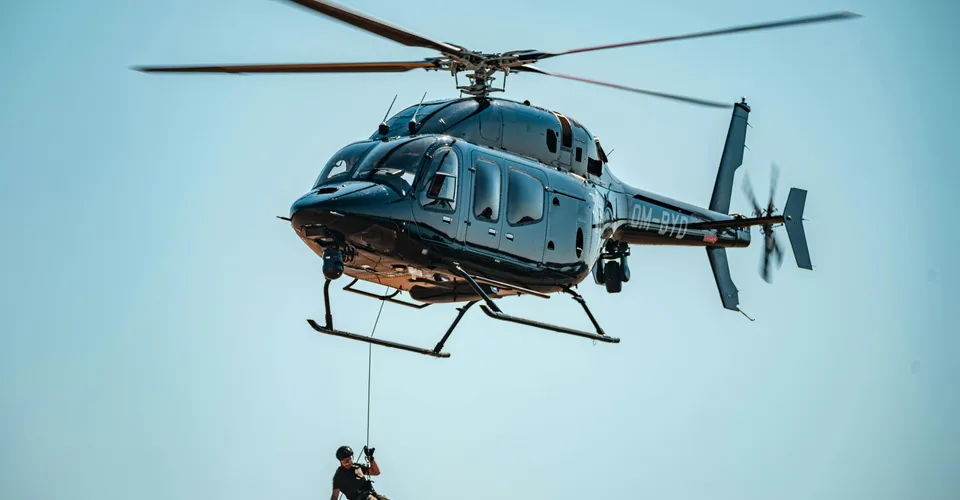
The F-15 went down. The US got its pilot back. Israel hit Iran’s petrochemical complex. Everyone’s calling it a win.
I think we’re all looking at the wrong thing.
Yes, the rescue itself was impressive—a two-day sprint between American and Iranian forces to reach an injured airman in hostile territory. That’s the kind of operational success that gets replayed on cable news and boosts morale at CENTCOM. But zoom out for thirty seconds and you see something much uglier taking shape: the world’s military and civilian infrastructure is simultaneously fracturing in ways that nobody’s really equipped to handle.
 Photo by Jozef Fehér / Pexels
The Rescue Wasn’t the Point
Let me be direct about what happened. An F-15 was shot down over southern Iran. The US extracted the crew member. This is tactically significant but strategically routine—powers have been conducting daring rescues and air strikes across the Middle East for two decades. What’s different now is the context, and that’s where things get genuinely worrying.
The same week the pilot was rescued, Israel struck Iran’s largest petrochemical industrial complex. This wasn’t a symbolic strike on a military target. This was infrastructure—the kind of thing that takes months to rebuild and hits an economy where it actually hurts. Iran’s already strangled by sanctions. Now someone’s reaching into their industrial base.
My read is this escalation pattern is becoming the new normal, and we’re all pretending it’s manageable because we don’t have a better option.
The Real Crisis Is Happening Invisibly
Here’s what should actually keep you up at night: interceptor missiles are running out.
Not metaphorically. Literally running out. Defense systems that shoot projectiles out of the sky have become the single most important component of modern warfare—air defense, missile defense, anti-drone systems. Every conflict now has a ravenous appetite for these things. Ukraine’s been consuming them like a furnace. The Middle East is tightening its belts. And militaries across NATO are looking at their stockpiles and doing the math, realizing they can’t sustain a prolonged engagement.
This is a supply-chain crisis masquerading as a military-readiness problem.
Germany just passed a law requiring males under 45 to get military approval for long stays abroad. Officially, it’s framed as nebulous modernization. But read between the lines: Europe’s bracing for something. You don’t tighten conscription rules unless you think you’ll need the bodies soon.
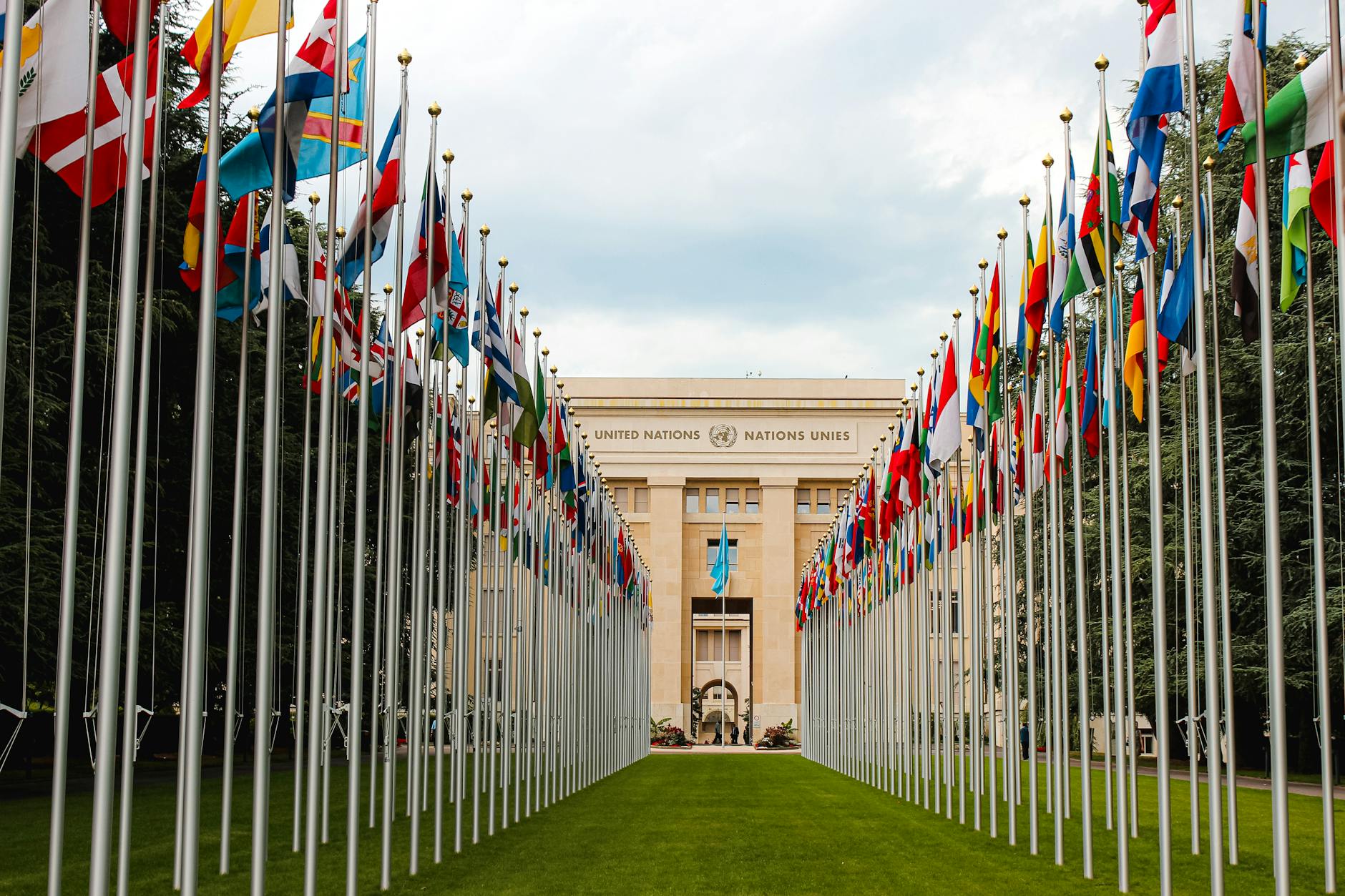 Photo by Mathias Reding / Pexels
The Weapons Aren’t the Only Thing Running Dry
Meanwhile, China—the country that built the world’s drone industry—just tightened its rules on drone use so severely that it’s strangling its own innovation ecosystem. This isn’t about security theater. This is about control. Beijing’s locking down the skies because drones have become too decentralized to monitor, and China’s always had an allergy to ungoverned spaces. They’d rather sacrifice economic opportunity than lose the ability to see everything.
That matters because when the world’s largest manufacturing base starts restricting technology to enhance control, everyone else has to adjust their supply assumptions.
Haiti’s collapsing. A UN-backed Gang Suppression Force is trickling in—and I mean trickling, which is diplomat-speak for “we don’t have enough resources or will to actually fix this.” Dozens were killed in massacres last weekend. Gangs are tearing through rural communities while the international response looks like a car trying to climb a hill in first gear.
Afghanistan’s flooded. An earthquake hit. Seventy-seven people dead this week alone. That’s not just a humanitarian crisis—it’s a destabilization accelerant. Refugees move. Economic collapse follows. Extremist groups recruit in the chaos.
The Disinformation Layer
Then there’s Hungary. Viktor Orbán’s running for four more years, and AI-generated videos are being weaponized against his opponents. Not deep fakes of embarrassing moments—strategic disinformation campaigns meant to make the election itself seem untrustworthy. This is the first major European election where synthetic media is playing a structural role, and nobody’s really won yet, which means we don’t know how to defend against it at scale.
And the US just arrested Qasem Soleimani’s niece and grand-niece. Immigration and Customs Enforcement picked them up. I’ve covered enough hostage situations and tit-for-tat escalations to recognize this particular temperature: families of high-profile figures getting detained during periods of military tension usually isn’t about immigration law. It’s about leverage.
What This Actually Means
Separately, each of these stories is manageable. Together, they’re describing a world where:
-
Conventional deterrence is breaking down. The US can rescue a pilot, but it can’t prevent the underlying conflicts that shoot down pilots. Israel can strike infrastructure, but it can’t achieve any lasting strategic objective through air power alone. Everyone’s got weapons but shrinking ammunition.
-
Supply chains are tightening at exactly the wrong moment. Interceptor missiles are scarce. Germany’s conscripting. China’s restricting exports through regulation. When militaries start competing for finite defensive resources, you get arms races that make miscalculation more likely.
-
Elections are becoming battlegrounds for synthetic media. Hungary’s not isolated. If AI videos can move votes in Budapest, they can move them in Philadelphia or Berlin or Warsaw. Democratic legitimacy rests on the assumption that voters know what’s real.
-
Weak states are becoming liability factories. Haiti, Afghanistan—these aren’t isolated humanitarian problems anymore. They’re force multipliers for whoever fills the vacuum. Gangs in Port-au-Prince eventually export instability. Taliban-controlled Afghanistan becomes a staging ground.
My prediction: we’re going to see another major military escalation in the Middle East within the next six months, probably involving Iran or a proxy. When it happens, someone’s going to lose air superiority for the first time in a generation because interceptor stockpiles are already depleted. That’ll force a reckoning about what deterrence actually looks like when you can’t defend the skies anymore.
The pilot rescue was a good day. But good days are the ones when you don’t notice the foundations shifting.
Photo by Mathias Reding / Pexels
What I’m Watching
-
Interceptor missile production rates in the US and NATO allies through Q2. If manufacturers aren’t announcing capacity expansion in the next 60 days, that’s your signal that planners have accepted scarcity as permanent. Once militaries stop trying to build their way out of a shortage, they start accepting risk in other ways.
-
Whether the US actually charges Soleimani’s relatives or releases them within 30 days. If they’re held past that window without formal charges, we’re in hostage-negotiation territory. That’s a different escalation temperature entirely. Watch for Iranian retaliation against Americans abroad.
-
Hungary’s election results and whether AI-generated videos measurably shift vote totals. If Orbán wins and claims the election was clean despite the disinformation, that becomes the new standard. If his opponent can prove videos moved votes, we’re entering a period where electoral legitimacy itself becomes contested technology territory.
-
Whether NATO announces new conscription or mobilization plans between now and summer. Germany’s move isn’t random. If other countries follow, especially France or Poland, you’re looking at a continent preparing for extended conflict, not crisis management.