The US Is Picking Sides in Europe's Civil War—and Nobody's Talking About It
JD Vance's Budapest endorsement signals a stunning reversal in American foreign policy. Here's what it actually means for NATO, democracy, and the 2024 chaos ahead.
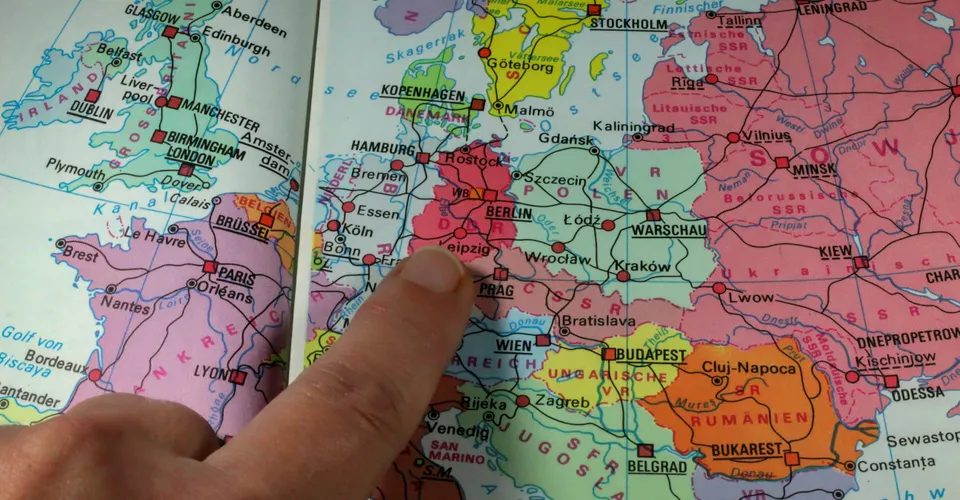
JD Vance just walked into Budapest and handed Viktor Orbán a presidential endorsement.
Not a diplomatic “we respect Hungary’s democratic process.” Not a careful neutrality. A ringing endorsement. The American vice president—second in line to the world’s most powerful office—publicly backed the reelection of a man the EU has spent a decade sanctioning for dismantling judicial independence, crushing press freedom, and systematically poisoning democratic institutions.
This isn’t a policy debate anymore. It’s a choice about what the United States actually stands for.
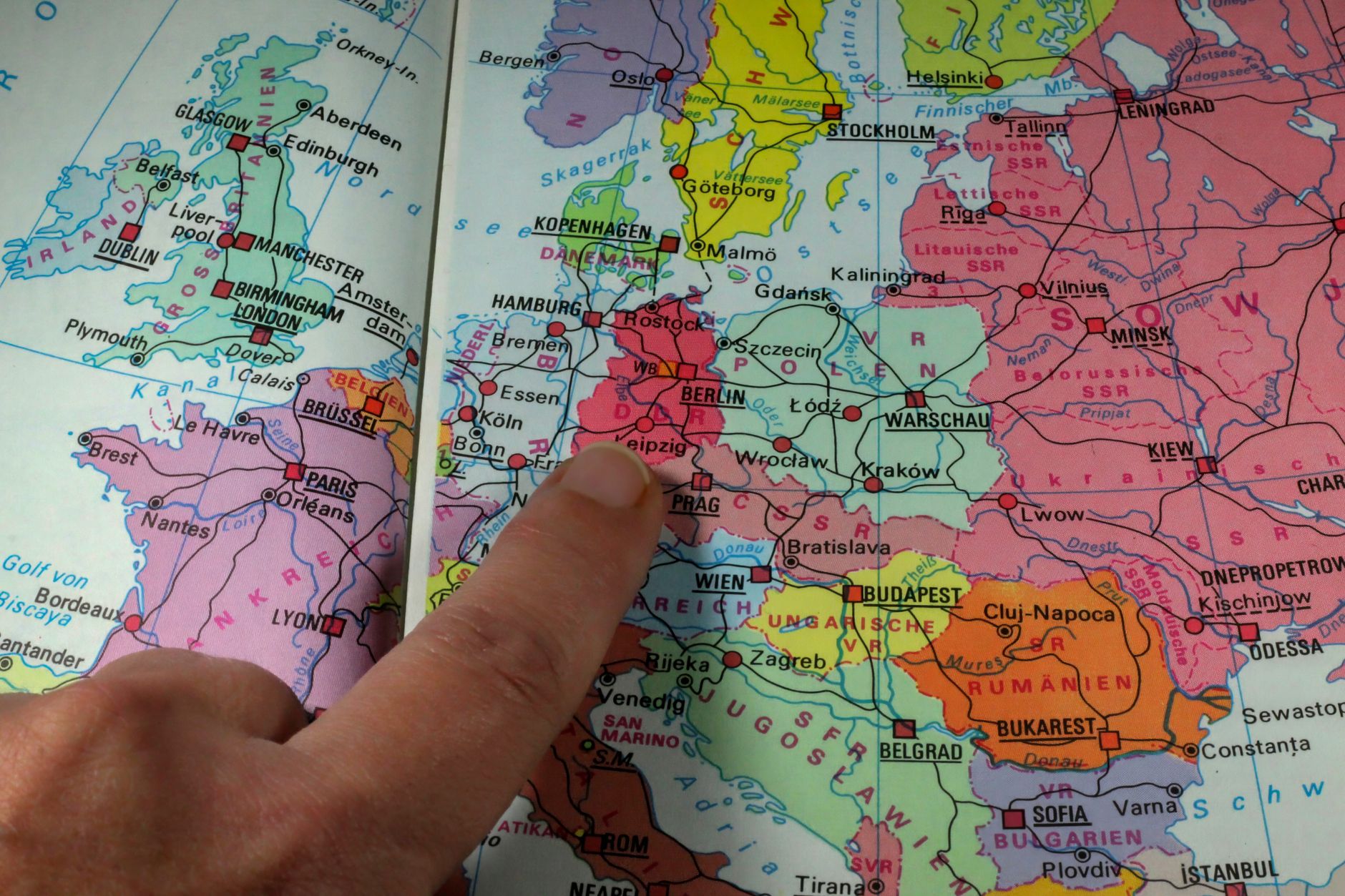 Photo by Gundula Vogel / Pexels
The Moment Everything Changed
Vance’s Budapest trip does something almost unprecedented: it plants an American flag on one side of Europe’s deepest ideological split. And not the side that’s been winning for 75 years.
Here’s what made this explosive. The US has historically stayed out of individual European election endorsements. You don’t get visits from American vice presidents—especially not ones positioned to potentially become president—unless you’re either a crucial ally facing an existential threat or you’re already in power. Vance went to Budapest while Orbán was still campaigning. While the election was still contested. This isn’t diplomacy. It’s an intervention.
The timing matters too. This happened as tensions with Iran are escalating to a fever pitch, with the Trump administration making ultimatums about the Strait of Hormuz. While Ukraine is ramping up attacks on Russian oil refineries specifically to counter Iran’s war windfall financing Moscow. While the Middle East is teetering. And Vance’s message to Europe? “Yeah, this guy’s your problem—he’s our guy.”
The subtext is even darker. Vance’s critiques of the EU during the trip make clear the Trump administration views Brussels as an adversary, not an ally. He’s essentially saying: we’re cutting a separate deal with Budapest, over Brussels’ head.
What This Actually Signals
I’ll be direct: this is a preview of how the Trump administration plans to handle Europe if it returns to power. It’s not isolationism. It’s worse. It’s selective commitment to only the parts of the Western alliance that align with a particular version of nationalism.
Orbán has spent 14 years systematically dismantling the rule of law in Hungary. The EU froze billions in funding. International observers documented the collapse of judicial independence. He’s cosied up to Putin while nominally staying in NATO. He’s used control of the courts to eliminate political rivals. This is what the playbook looks like when you have time.
And the American vice president just said: “We like what you’re doing.”
Why? Because Orbán represents something Vance and Trump admire—executive power unchecked by courts or press, nationalist economics, immigration restrictions, and EU defiance. Hungary’s a test lab for the governance style they’d pursue if they had the chance.
The message to every other country watching? Democracy, judicial independence, press freedom—these aren’t deal-breakers for American partnership anymore. Loyalty is.
 Photo by Mathias Reding / Pexels
The Domino Risk
Here’s what keeps me up at night about this: it’s contagious.
If Hungary can get a US vice president’s endorsement while hollowing out democratic institutions, what’s stopping Poland’s government from accelerating its own rollback? What about Slovakia? Or Romania, whose far-right candidate just made a shock runoff appearance? The implicit message is that Washington won’t seriously penalize you for it.
Meanwhile, you’ve got a Ukraine that’s bleeding soldiers and treasure to defend NATO’s eastern flank against Russia. That Ukraine just watched the potential next US president’s running mate endorse a leader who repeatedly blocked Ukraine aid and cultivates Putin ties. The psychological impact of that can’t be understated.
I genuinely don’t know if Vance understands what he just communicated. But I suspect he does.
The other part that’s unsettling: this happens while the Middle East is on the edge of something worse. Trump’s ultimatum about the Strait of Hormuz, Iran withdrawing from negotiations—these are move-and-countermove escalations. If things go hot, Biden’s NATO alliance suddenly matters enormously. And Vance just signaled that NATO, as currently constituted, isn’t actually what the next administration is committed to.
The Connection Nobody’s Making
Most analysts are treating the Vance-Orbán endorsement as a separate story from the Iran crisis, the Ukraine oil strikes, and Pakistan’s rehab center bombing (which it almost certainly was—an intelligence failure, not a deliberate war crime, but still catastrophic).
They’re not separate.
Here’s the thread: Ukraine’s attacking Russian oil because Iran’s oil revenue is financing the war machine grinding its forces down. Iran’s escalating because the US is threatening the Strait of Hormuz. And the US is doing all this while signaling to Europe that the old security guarantees are negotiable and conditional on political alignment with Trump’s vision of executive nationalism.
These moves only make sense if you believe the world’s heading toward smaller blocs—US-aligned, Russia-aligned, China-aligned—rather than toward integrated systems. Vance’s Budapest trip is him saying out loud what’s being executed elsewhere: the post-Cold War order is done.
What I Actually Think Happens
My read: if Trump wins in 2024, Hungary becomes the template for US-European relations, not the exception. Poland gets encouraged to accelerate its judicial takeover. Trump pulls back on Ukraine aid, uses it as leverage. NATO splinters into tiers—real members and associate members. The EU loses leverage because Washington’s no longer pretending to care about its survival as a unified bloc.
The risk cascade is ugly. A weaker, fractured Europe can’t check Russian expansion, Chinese expansion, or Middle Eastern actors. And a US committed to selective alliances based on cultural/political alignment rather than security architecture makes conventional deterrence calculation nearly impossible for everyone involved.
The immediate trigger for all this would be a Trump victory in November 2024. But Vance’s Budapest trip just pulled that future forward. The signal’s already sent. European governments are already calculating what they’ll do if they believe it.
I’m less certain about whether Vance actually wants this outcome versus whether he’s trapped in a worldview where it seems inevitable. But honestly? The distinction doesn’t matter much to the Ukrainians, Poles, or Middle Eastern analysts gaming this out right now.
Photo by Mathias Reding / Pexels
What I’m Watching
The Hungarian election result itself. If Orbán wins decisively, the US endorsement becomes retrospectively brilliant politics. If he loses or barely squeaks through, Vance’s bet just became a humiliating foreign policy miscalculation. Watch the margin. Anything under 3 points means the endorsement probably didn’t move the needle—and that’s damaging for the Trump narrative about global realignment.
Whether any other US officials walk back or contextualize Vance’s comments. The State Department’s response will tell you whether this was approved Trump administration doctrine or Vance freelancing. Radio silence = approved doctrine.
Pakistan’s investigation into the rehab center bombing and whether it triggers escalation with Afghanistan. This one’s flying under the radar because Iran’s louder, but a military power striking its neighbor’s civilian infrastructure (even by accident) can cascade quickly. If families and Afghan officials demand accountability and Pakistan refuses, you’ve got a new conflict axis forming in a region already fractured.
Whether Ukraine’s oil strikes force Russia into negotiations or into deeper Iranian alignment. If Russian refineries start going down faster than they can be rebuilt, Moscow faces a choice: negotiate or pivot entirely to Chinese supply chains and lose independence. That pivot takes months but it’s irreversible.