The Supply Chain's New Weak Link Isn't Where You Think
Security firms are getting hacked, open source code is stealing credentials, and ransomware just went quantum-proof. Silicon Valley's favorite metaphor—'we're all connected'—is finally becoming a liability.
The attack on Checkmarx and Bitwarden wasn’t random. Someone chose to target the security firms that millions of developers trust to keep their code safe. That’s not a bug—it’s a strategy.
Let’s call this what it is: the security industry is discovering what the rest of software learned years ago. Your fortress is only as strong as the smallest door in your perimeter, and the attackers have finally stopped knocking. They’re walking through the supply chain with a master key.
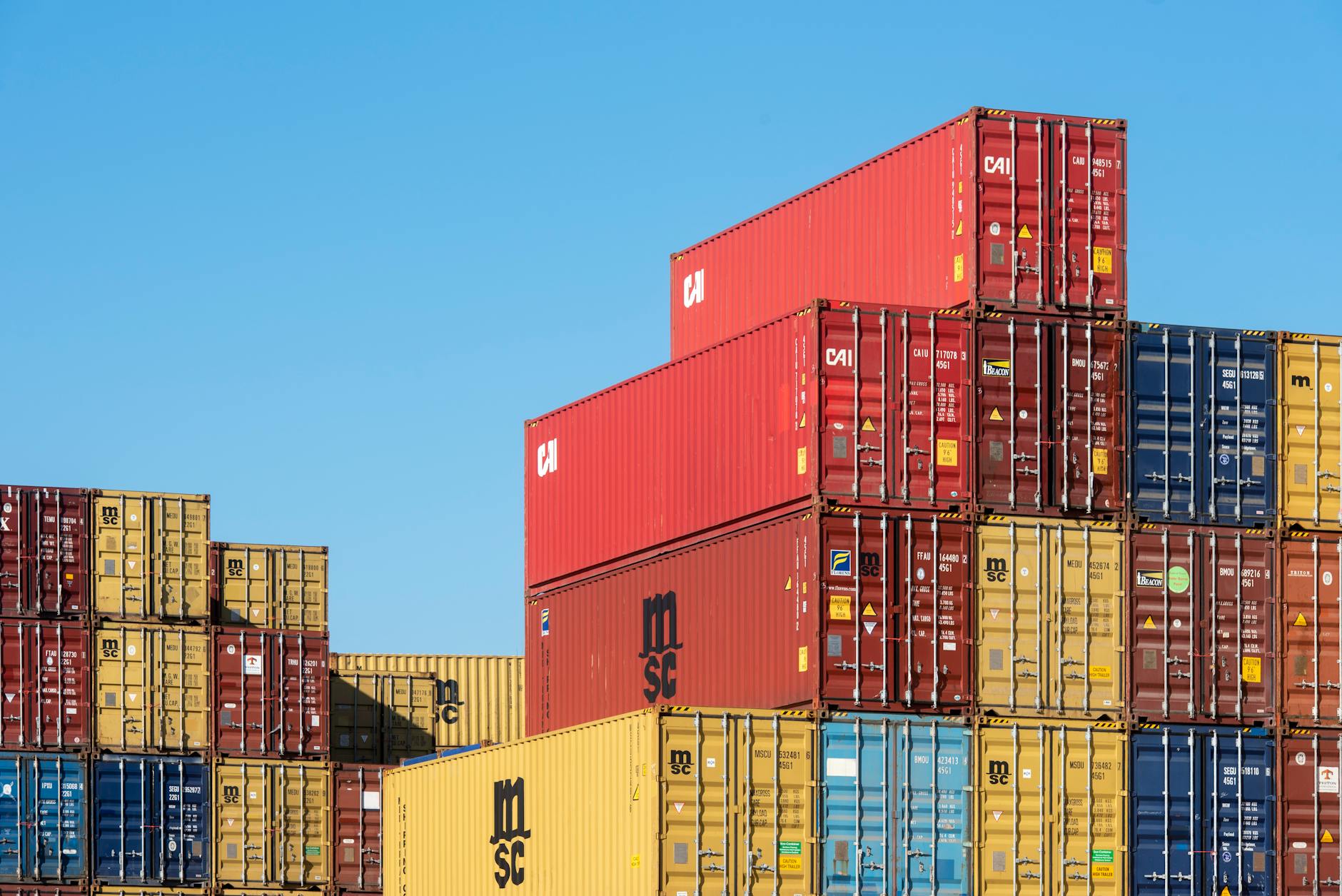 Photo by Jan van der Wolf / Pexels
When the Protectors Get Hit
Here’s what makes the Checkmarx and Bitwarden attack different from the usual breach noise. These aren’t banks or retailers with bad password hygiene. These are security companies. Companies whose entire business model is built on being harder to penetrate than Fort Knox. If attackers can compromise them, they compromise the trust infrastructure that the rest of tech depends on.
An open source package pulling down a million times a month just turned into a credential-stealing machine. That’s not a vulnerability. That’s a supply chain weapon. Some developer somewhere installed what looked like a legitimate library, and now their API keys are walking out the door. Multiply that across dozens of enterprise deployments and you’re looking at a systemic rot.
I’ve covered enough breaches to know the difference between bad luck and bad architecture. This is the latter. We built a software ecosystem where trusting third-party code is mandatory, but verifying it remains optional.
 Photo by UMA media / Pexels
The Quantum Problem Arrives (Early)
Here’s the part that should actually keep security teams awake: ransomware just went quantum-safe.
I want to be honest about my uncertainty here. The quantum threat has been the boy-who-cried-wolf story in infosec for a decade. “Post-quantum cryptography is coming!” experts would yell from conferences. Most of the industry treated it like a Y2K sequel—something to panic about in five years, not today.
Except someone just confirmed it actually happened. A ransomware family is now shipping with quantum-resistant encryption. Not theoretical. Shipping.
This changes the threat calculus. If you’re an attacker, you want your payloads to survive the cryptanalytic apocalypse. If you’re a defender, you’re suddenly playing for a future where your current encryption keys might be retroactively decrypted. All those files sitting in backups? Potentially readable in 2032.
The timeline just compressed. Quantum-safe attacks aren’t coming. They’re here.
The Open Source Pandemic
Let me connect these dots because the picture is getting darker.
Microsoft just pushed an emergency patch for ASP.NET on macOS and Linux. That’s not routine. Emergency patches mean someone found something live in the wild that’s being actively exploited. A million-monthly-download package stealing credentials. Security firms getting breached. Critical minerals operations deciding to “vertically integrate” because they can’t trust the supply chain anymore.
The common thread? Trust, or the collapse of it.
Open source is basically crowd-sourced security theater at this point. We’ve created an entire ecosystem where a single maintainer (often unpaid, often burned out) is responsible for code that millions of developers depend on. Then we’re shocked—genuinely shocked—when that code gets compromised or abandoned or just quietly turns malicious.
I think we’re going to see a bifurcation in the next two years. Big enterprises will start pulling mission-critical dependencies in-house, accepting the maintenance burden because the alternative (trusting a stranger on the internet) has become genuinely riskier. Smaller shops will stay exposed, which means attackers will optimize for that market. The security gap between haves and have-nots just widened.
 Photo by Denys Gromov / Pexels
The Real Supply Chain: Mining and Manufacturing
Here’s what’s actually interesting, though. While we’re all focused on code supply chains, the physical world is solving this problem through vertical integration.
Earth AI hit delays looking for critical minerals, so it’s building its own exploration capability. Firestorm Labs just raised $82 million to stick drone factories in shipping containers and manufacture at the front lines. BMW’s new $300M fund is hunting for agentic AI and physical AI—basically, robots that think and act without human intervention.
This is the opposite strategy from open source. Instead of trusting the supply chain, these companies are becoming the supply chain. They’re willing to own the whole stack because the cost of compromise is too high.
My read: manufacturing is learning what security learned this week—you can’t outsource your critical path. The future belongs to vertically integrated operations that control their own destiny. This is going to sound quaint in retrospect, but 2024 is when we collectively realized that Just-In-Time supply chains and trust-based security are luxuries we can’t afford.
The Governance Collapse Nobody’s Talking About
Sri Lanka just disclosed another missing payment. Three million dollars stolen in separate incidents while the country’s still digging out from a 2022 debt crisis. That’s not just a breach. That’s a government that can’t protect its own money twice.
When nation-states start losing millions to routine cybercrime, we’ve entered a new phase. It’s not “emerging threat” anymore. It’s baseline reality. The IT hygiene gap between a well-resourced tech company and a struggling country is now measured in hundreds of millions of dollars.
This is going to create pressure for something I’m not sure anyone’s ready for: mandatory security standards that you can’t opt out of. Not NIST frameworks that you can fudge. Not guidelines. Laws.
What I’m Watching
-
Quantum-safe ransomware adoption curve — If more families deploy post-quantum encryption in the next 6 months, we’re not looking at a theoretical threat anymore; we’re looking at an arms race. Watch for it in threat intelligence reports from CrowdStrike, Mandiant, or Microsoft’s security blog by Q2 2025.
-
Enterprise open source forking — Major firms will start announcing internal forks or replacements for high-risk open source dependencies. The trigger is the first major breach of a Fortune 500 company that traces back to a compromised third-party package. I’d bet this happens by mid-2025.
-
Supply chain insurance costs — Watch insurance premiums for companies that rely on third-party code. If they spike 50%+ year-over-year, the market has officially priced in that compromise is inevitable, not anomalous.
-
Vertical integration announcements in energy/defense/biotech — If companies start publicly stating they’re building their own manufacturing or sourcing to escape supply chain risk, that’s a signal that boardrooms have accepted the cost of self-sufficiency. Three announcements in 12 months is the threshold I’d use.
The supply chain didn’t break this week. We just finally saw it.