The Strait of Hormuz Just Became Your Portfolio's Biggest Wildcard
Iran talks collapsed. Trump's blockade threat is real. Here's what happens to your stocks when 21% of global oil chokes.
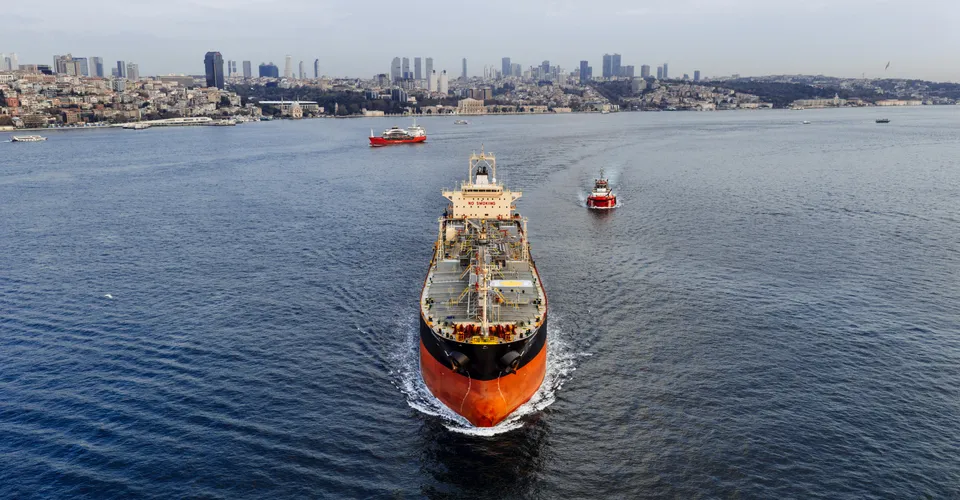
The ceasefire held for exactly one week.
That’s how long it took for U.S.-Iran negotiations to crater and for President Trump to pivot straight to announcing a naval blockade of the Strait of Hormuz—the chokepoint through which roughly 21% of the world’s petroleum passes daily. No Deal. No diplomatic offramp. Just a unilateral threat that’s about to crack open your portfolio in ways most investors aren’t positioned for.
Let me be blunt: This changes the risk calculus for the next six months, and everyone in equities needs to recalibrate.
When Geopolitics Beats Earnings
Here’s what we know from the headlines. Last weekend, the U.S. and Iran couldn’t reach an agreement. Trump responded by announcing the blockade would prevent Iran from “policing the strait and benefiting economically while the rest of the world suffers.” That’s not diplomat-speak. That’s a guy who’s decided the negotiation window is closed.
The timing is brutal. Markets had just digested a ceasefire announcement—and you saw the reaction. Oil tanked. Stocks rallied. That fragile optimism lasted about 72 hours before reality reasserted itself with the force of a geopolitical sledgehammer. Bloomberg noted investors are “wary” and eyeing “another escalation,” which is analyst-speak for: we’re genuinely concerned this gets worse before it stabilizes.
A Strait of Hormuz blockade isn’t theoretical. It’s a bottleneck that moves roughly 21 million barrels per day. Lose that flow—even partially—and you’re looking at $120+ oil by summer. Not $100. Not $110. Higher.
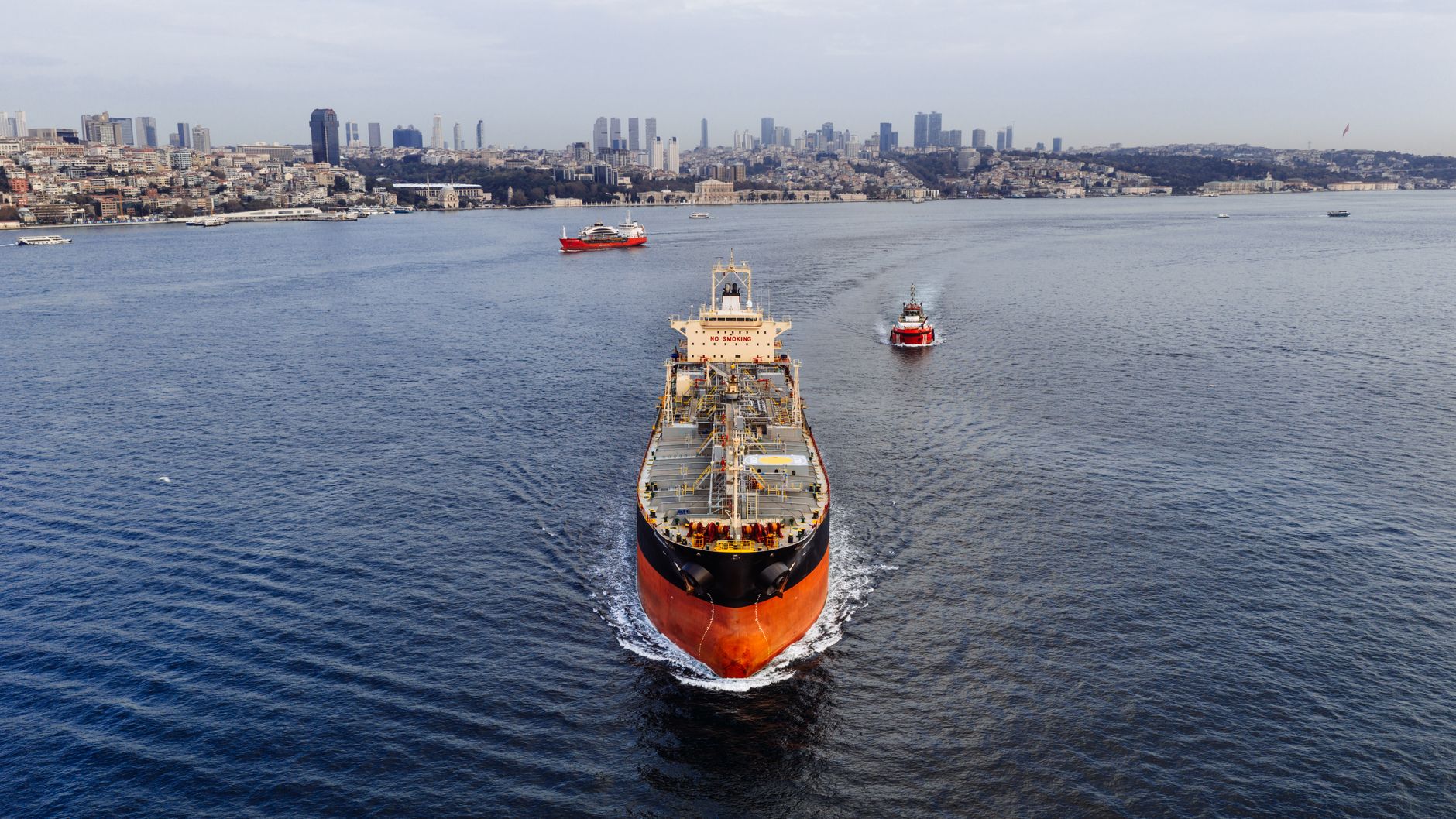 Photo by Kelly / Pexels
Why Your Tech Rally Could Be Dead in the Water
This is where it gets interesting for equity holders, because the last two weeks created a false sense of security.
The Nasdaq saw a correction, right? And Bloomberg published a piece asking whether this was a buying opportunity for the Vanguard Information Technology ETF. The thesis: high-growth tech at discounts. Buy the dip. Classic.
Except that thesis works in a world where the marginal risk event is Fed policy or earnings misses. We’re not in that world anymore. We’re in a world where a naval blockade in the Persian Gulf can send energy costs spiking 30% in a month, which crushes margin expansion for every tech company from Apple to Nvidia to every SaaS outfit running on thin operational leverage.
Here’s my read: The tech dip-buying crowd is going to get blindsided if Iran escalation becomes reality. You can’t discount a 20% correction and ignore a 40% oil spike in the same portfolio.
I’m not saying don’t buy tech. I’m saying the risk-reward is backwards right now. You’re assuming oil stays contained. Trump just signaled it won’t.
The Dividend Trap (And Why It’s Actually Smarter)
Wall Street’s response to all this uncertainty? Bloomberg reports top analysts are pushing dividend stocks “for steady income.” That’s code for: “We think volatility’s coming, so lock in yield.”
They’re not wrong. When geopolitical risk spikes, investors rotate from growth to income. It’s what happened in 2008, 2014, 2020. The pattern’s consistent. Dividend payers with strong balance sheets—utilities, established energy, consumer staples—tend to hold up better when the macro gets hairy.
But here’s the twist: One dividend stock worth paying attention to is PacifiCorp, Berkshire’s electric utility subsidiary. It just won a court ruling that could save it $1 billion or more in wildfire liability costs. That’s not a coincidence of timing. That’s a company that removed a tail risk. In an environment where tail risks are multiplying everywhere else, that matters.
I’m not making a Berkshire call here. I’m saying that when you’re rotating into defensive assets, quality of the balance sheet—and removal of hidden liabilities—should be your filter.
Kodak and the Zombie Revival Nobody Asked For
There’s a fascinating subplot in the headlines: Eastman Kodak, a company that teetered on bankruptcy, is now trying to rebuild. CEO Jim Continenza is “determined to fuel its success.”
Why mention this in a geopolitical piece? Because it’s a tells you something about market psychology during uncertainty. Investors get nostalgic. They look for “comeback” stories. Kodak becomes interesting not because its fundamentals are suddenly strong, but because people want to believe in resurrection narratives when everything else feels fragile.
That’s a contrarian signal I’ve seen a hundred times. When dividend stocks are hot, defensive trades are screaming, and geopolitical risk is spiking, some portion of the market rotates into deeply beaten-down legacy plays betting on a turnaround. It’s usually a mistake. Don’t do it.
 Photo by Markus Spiske / Pexels
The 10-Year Question Nobody’s Asking Anymore
Nobel laureate Robert Shiller recently weighed in on where the S&P 500 will be in a decade. His point: “The next decade will probably look very different from the last.”
No kidding. The last decade was post-crisis normalization into QE infinity into pandemic stimulus into the Magnificent Seven bubble. Shiller’s basically saying don’t extrapolate the last 10 years forward. Fair warning.
But here’s what he’s not saying: What if the next decade includes multiple Strait of Hormuz crises? What if energy volatility becomes structural, not cyclical? What if geopolitical fragmentation becomes the defining feature of the 2030s?
I genuinely don’t know. And that uncertainty is the real story.
What Actually Matters Now
Here’s my honest take: The market right now is priced for no escalation. Every earnings model, every valuation multiple, every passive index assumes the status quo holds. Trump’s blockade threat is real and would blow that assumption apart.
Tech gets hit first because it’s most vulnerable to cost inflation. Energy gets bid up immediately. Defensives hold. Gold rallies. Volatility spikes. The Fed’s policy path becomes completely uncertain because inflation data becomes noise versus geopolitical shock.
My prediction by Q2: Either Trump backs down from the blockade rhetoric and we get a relief rally, or he doesn’t—and we’re looking at a 15-20% correction from here, with energy outperforming massively. There’s almost no scenario where this stays contained.
The vanity project (Trump’s proposed 250-foot triumphal arch over the Potomac) is political theater. The Strait of Hormuz blockade threat is real. One’s embarrassing. One’s portfolio-changing. Guess which one matters.
What I’m Watching
-
Oil price action above $105/barrel: If WTI breaks and holds above $105, the market’s pricing in real blockade risk, not just Trump posturing. That’s your signal to reduce growth exposure.
-
PacifiCorp’s dividend trend: If Berkshire’s utility starts paying higher dividends post-court win, it’s a signal that management sees value in defensive positioning—and it’s worth copying that thesis.
-
Tech earnings guidance for Q2: If any mega-cap tech company cites “energy cost inflation” as a headwind in their April earnings calls, the blockade threat has moved from geopolitical concern to operational reality. That matters for valuations.