The Strait of Hormuz Is Becoming a Tinderbox Again—And Nobody's Really In Control
Iran's harassment of ships, Europe's bleeding commitments, and a Pope caught between power players. The global order is fraying in real time.
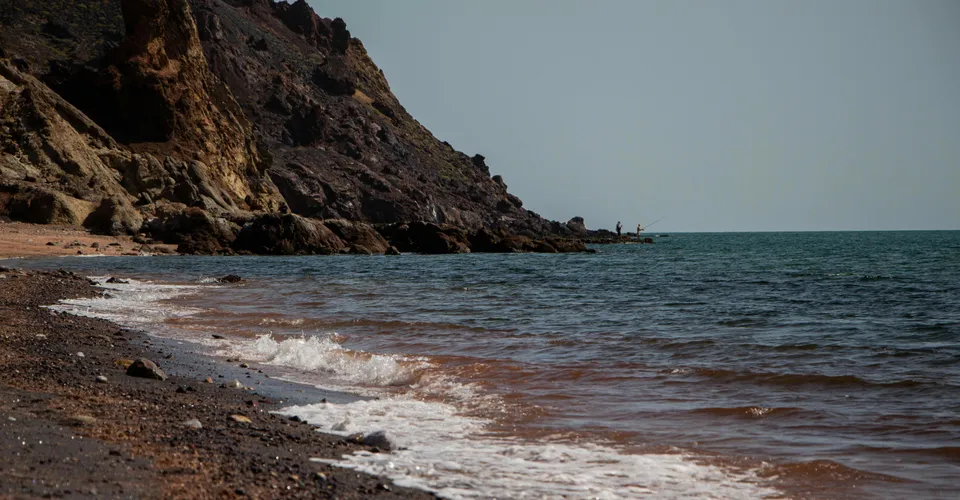
The Shooting Started
Two ships took fire in the Strait of Hormuz last week. One Iranian gunship opened up on a tanker. Another vessel got hit by a projectile—from whom, nobody’s saying. India had to summon Iran’s ambassador to lodge a formal complaint about attacks on Indian-flagged vessels.
This isn’t some minor maritime incident. This is the world’s chokepoint for oil trade, and it’s getting actively hostile again.
 Photo by Melika Hazrati / Pexels
Iran says it’s reimposed “strict control” of the strait. What that means in practice: small, fast boats—the Islamic Revolutionary Guards Corps’ “mosquito fleet”—harassing commercial shipping in international waters. The Iranian navy’s regular fleet is mostly destroyed. But these speedboats? They’re cheap, deniable, and lethal enough to disrupt global energy markets.
The thing nobody wants to admit out loud is that there’s no credible deterrent in place anymore. The U.S. Navy isn’t what it was in 2019 when Trump ordered the strike on Qasem Soleimani. Europe’s stretched thin. And the regional balance of power that kept things from completely unraveling has dissolved.
France Is Learning the Hard Way
A French peacekeeper was killed in southern Lebanon. Macron blamed Hezbollah. Hezbollah denied it. Classic response, but notice the architecture: France deployed peacekeepers under the UN flag in UNIFIL, the buffer force between Israel and Lebanon’s Iran-backed militia. It’s supposed to be neutral, stabilizing, boring.
Except it’s not boring anymore. And France can’t actually do anything about it.
Macron’s government is caught between two bad moves. Escalate and risk a direct confrontation with Hezbollah—which means Iran gets a say in whether French soldiers live or die. Absorb the casualty and look weak to domestic audiences and NATO allies. The peacekeeper is already dead. France’s leverage is zero.
This is what happens when you commit troops to a conflict you can’t control. The French didn’t kill this soldier. Hezbollah—or someone acting with impunity in that space—did. And France has to accept it or start a fight it can’t win.
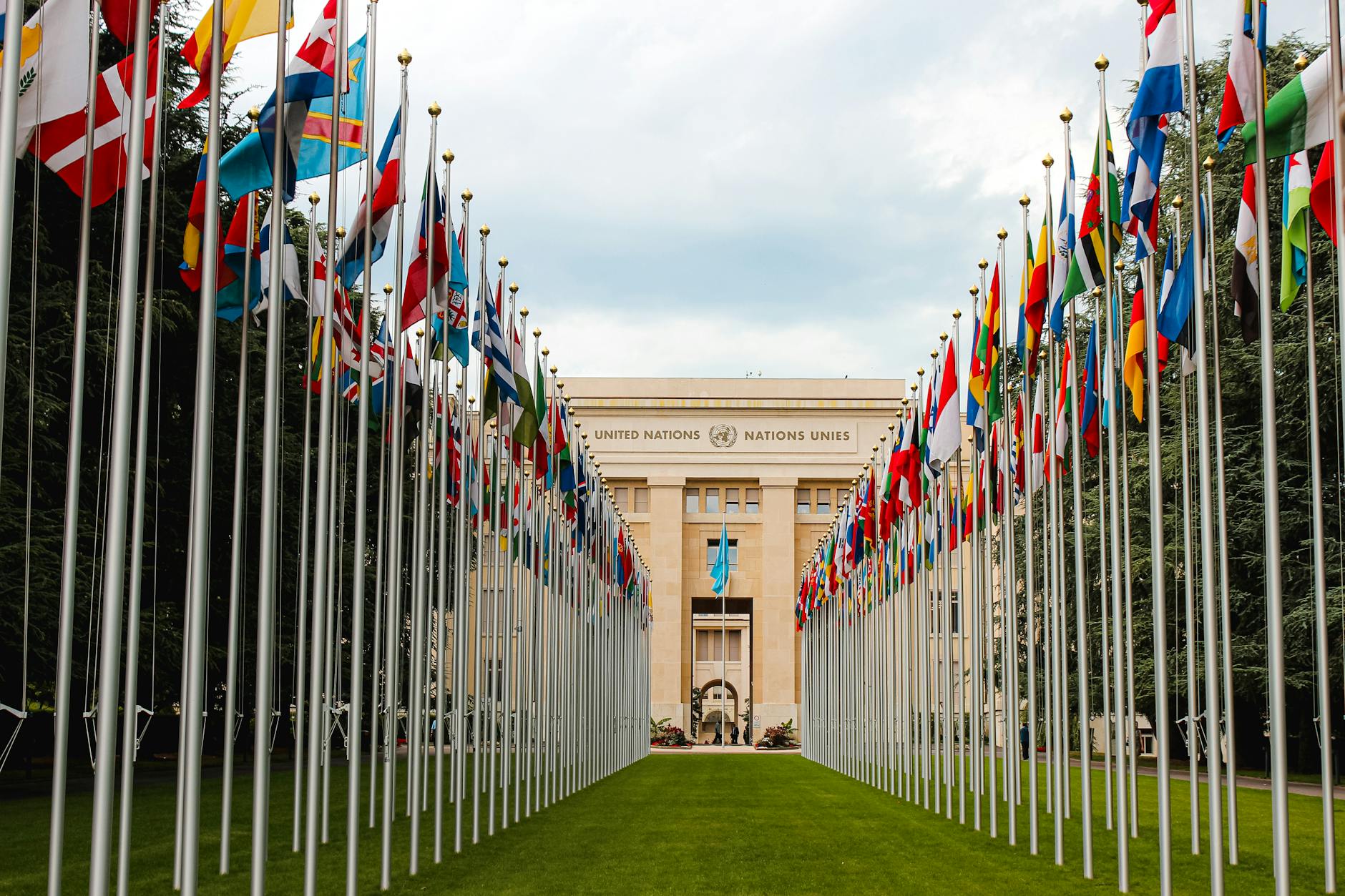 Photo by Mathias Reding / Pexels
The Pope’s Problem With Getting Quoted
The Pope said some things. They got interpreted as criticism of Trump. Trump attacked him. Now the Pope’s walking it back, saying outlets misread his Africa trip remarks.
What’s actually happening here is that the Pope—who has legitimate moral authority on planet Earth that maybe only matches five or six other figures—can’t afford to pick a side in American domestic politics. If he’s seen as anti-Trump, he loses half his flock in the U.S. and half his diplomatic utility with the current administration. If he’s too deferential to Trump, he loses his claim to speak for universal moral principles.
So he’s threading the needle with “it was misinterpreted.” Which is a polite way of saying: I said something defensible but I regret how it landed because the politics are too hot.
The real story isn’t the Pope. It’s that even the institution with the longest track record of surviving power transitions—the Catholic Church, we’re talking 2,000 years here—is getting squeezed by the velocity of American political conflict. Everything becomes fodder. Everything gets weaponized.
Spain Finds an Unexpected Gift
Pedro Sánchez of Spain is getting a political lifeline from Trump. Leftist voters abroad see him standing up to Trump. At home, Trump’s the villain who’s distracted Spanish voters from Sánchez’s actual problems—housing, economy, domestic political scandals.
This is almost elegant in its perversity. Sánchez’s domestic opposition can’t touch him while he’s fighting Trump on the international stage. Trump creates the conditions for Sánchez to look strong without actually having to solve anything.
It won’t last. But for now, Sánchez is the guy who benefits when the global order gets chaotic.
My Read
Here’s what I think is happening: we’re in a period where the institutions and relationships that prevented regional conflicts from metastasizing are deteriorating, and new ones aren’t in place yet.
The U.S. is distracted. Europe’s divided and resource-constrained. China’s waiting. Russia’s taking opportunities where it can. And in the gaps—Hormuz, Lebanon, Venezuela, wherever—actors are testing limits.
The Iranian speedboat harassment of shipping isn’t just about oil prices. It’s about Iran discovering that the costs of escalation have gone down because nobody’s cohesively stopping them. France loses a peacekeeper and files a complaint. That’s a signal Iran can exploit.
The Pope’s caught in crossfire because there’s no settled consensus on what the American government actually stands for anymore—so everyone interprets papal statements through their own lens and assumes the worst.
And Sánchez gets lucky because chaos at the global level insulates him from accountability at the national level. This is the opposite of how it should work.
My prediction: by Q3 2025, we’ll see either a serious incident in the Strait—a tanker actually sinks, not just gets harassed—or a major escalation in Lebanon that forces the Europeans to either reinforce or withdraw. One of those happens, and the assumptions holding together global shipping and energy markets crack. You’ll see oil spike, insurance costs jump, and suddenly the Iran situation stops being a geopolitical abstraction and becomes a pain at the gas pump.
That’s when people stop talking about papal statements and start asking why their government isn’t doing anything.
Photo by Mathias Reding / Pexels
What I’m Watching
-
The next Iranian gunship incident in Hormuz—specifically whether it results in a confirmed hit and casualties. If a crew dies in the next 60 days, the math on “proportional response” changes immediately. The U.S. will face pressure to act, and the administration’s response will tell us everything about whether deterrence is still real or theater.
-
Whether European navies formally increase presence in the Gulf. Right now they’re pretending the problem is contained. If Britain, France, or Germany announce additional maritime patrols, they’ve admitted the deterrent is failing and the costs of non-action are rising.
-
Lebanon ceasefire hold through May. The French peacekeeper death is a test. If Hezbollah/Iran escalates from here, we’re watching the UN buffer zone collapse in real time. If it holds, the incident stays isolated—for now.
-
India’s follow-up diplomatic moves. India has real leverage in Iran (oil, currency swaps, cultural ties) that the West doesn’t. If Delhi escalates its complaints or sanctions rhetoric, that’s a signal the incident was serious enough to crack the informal tolerance for Iranian behavior in the region.