The Middle East Is Burning. Europe Is Arming. And Nobody's Sure Who's In Charge Anymore.
From Iran's new military junta to Trump's tanker standoffs, the global order is fracturing in real time—and Australia's watching its gas profits like a hawk.
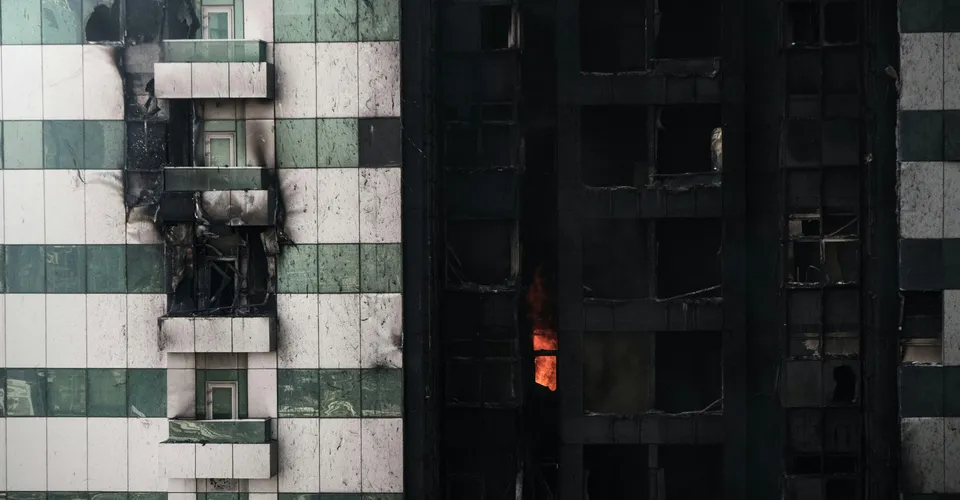
The U.S. Navy’s top administrator just walked out mid-crisis. Iran’s clerical establishment has been replaced by generals. Trump is threatening Iranian boats in shipping lanes. Europe is betting half its year’s military budget that Ukraine will still be fighting in 2030. And somehow, this all traces back to oil, gas, and who gets to decide what happens next.
This isn’t geopolitical chaos—it’s the sound of the old system breaking and no one agreeing on the new one.
When the Admirals Get Uncomfortable, Pay Attention
Let’s start with the Navy chief resigning “effective immediately.” His job was largely administrative. He left amid tension over U.S. shipbuilding.
That’s the kind of sentence you read past, but don’t. When a Pentagon official walks out over shipbuilding disputes during an escalating confrontation with Iran, he’s not leaving over spreadsheets. He’s signaling that the military-industrial machinery that’s supposed to sustain American naval dominance is creaking. The U.S. needs ships. It doesn’t have enough of them. And the people tasked with fixing that are so frustrated they’re quitting rather than watch it happen in slow motion.
This matters because naval power is currently the only thing preventing the Strait of Hormuz from becoming Iran’s personal tollbooth.
 Photo by Mauricio Krupka Buendia / Pexels
Tehran’s Generals Have Taken the Keys
Here’s what happened in Iran: Ayatollah Ali Khamenei is dead. The religious establishment that ran the country for 45 years has been quietly replaced by military collective leadership—the Revolutionary Guards now have more power than they’ve ever had.
This changes everything about how Iran negotiates, escalates, or retreats. Generals don’t think like clerics. They think about threats, vulnerabilities, and winning. When Trump started threatening Iranian boats allegedly mining the Strait, he wasn’t talking to Khamenei’s careful diplomats anymore. He was talking to commanders who’ve already fought Iraq for eight years and survived the toughest sanctions regime on Earth.
The BBC’s reporting from Tehran shows the surface is deceptive. Yes, the shopping streets buzz. But underneath, there’s deep uncertainty about the country’s future. War is looming over daily life. When I’ve reported from places where war feels imminent—and I’ve been to enough of them to recognize the feeling—people don’t shop the same way. They plan for contingency. They pull money out of banks quietly.
Both sides are now trying to exert authority over shipping in the Strait while “peace talks” supposedly hover in the background. Except nobody’s sure the peace talks are real. And if Iran’s now being run by generals instead of clerics, the incentive structure for diplomacy just got a lot worse.
Europe’s Betting on Forever War
Meanwhile, the European Union just committed $106 billion to Ukraine. Unlike the previous aid packages, this one is heavily weighted toward military spending. This is the EU essentially saying: we don’t think peace is coming soon.
Think about what that means. Europe isn’t helping Ukraine hold the line until negotiations. It’s equipping Ukraine for a long-term insurgency or counter-campaign. That’s not an investment in a ceasefire—it’s an investment in bleeding the conflict out for years.
It’s also a silent acknowledgment that the U.S. position on Ukraine might shift. If Trump decides to cut a deal with Putin that Europe doesn’t like, Europe wants Ukraine armed enough to keep fighting anyway. That’s not alliance-building. That’s alliance-hedging. The EU’s essentially preparing for a world where it fights Russia without American air support.
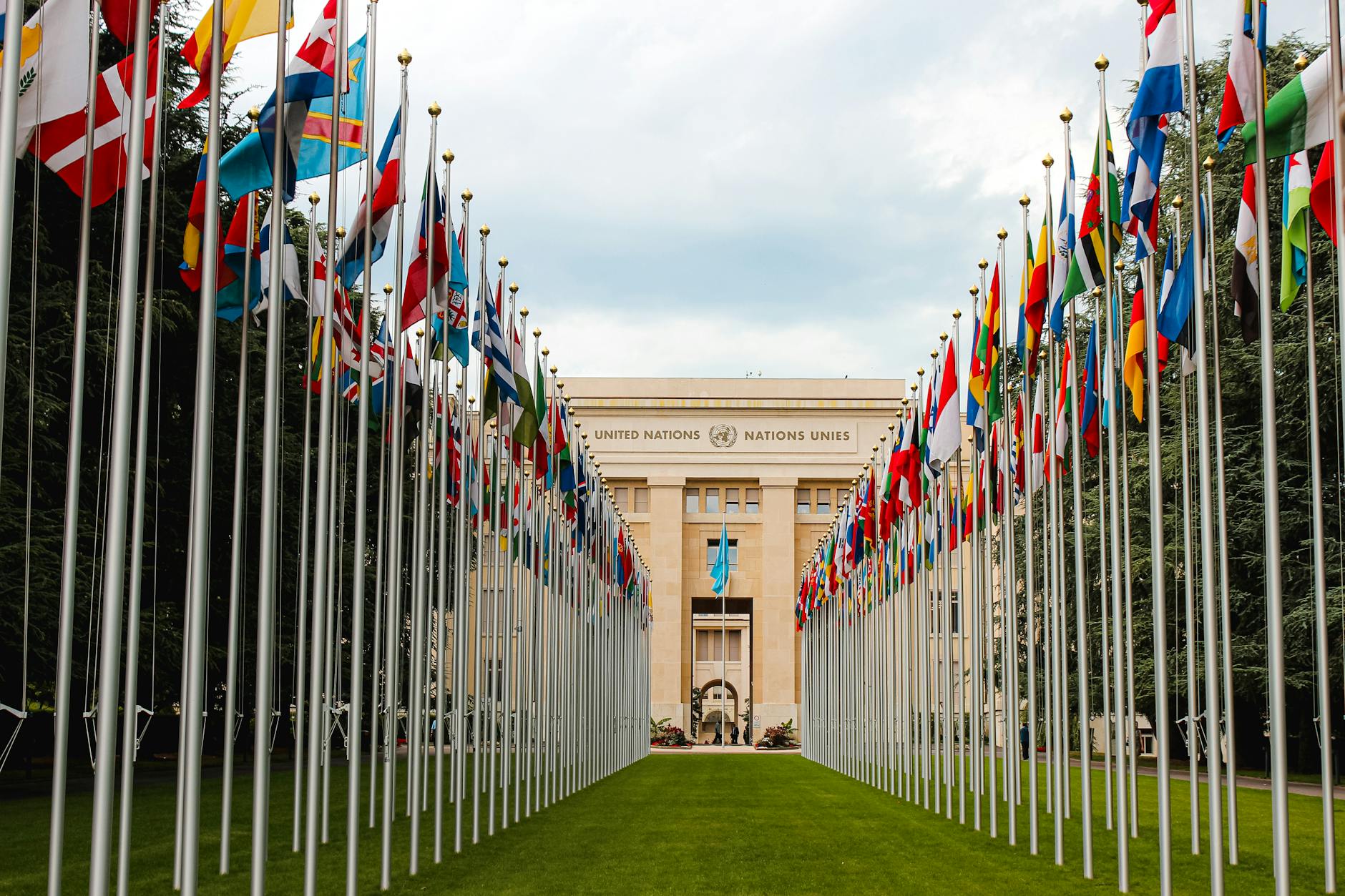 Photo by Mathias Reding / Pexels
The Petro-State Windfall Nobody’s Talking About
Here’s where it gets weird: Australia is the world’s third-largest exporter of natural gas. War in Iran gives new fuel to a tax debate in Australia. Natural gas prices spike when Middle East conflict looms. Australia makes enormous money. Many Australians argue the country has been too lenient in taxing these windfalls.
This is the revenge of geography. Australia didn’t do anything to trigger an Iranian succession crisis or a potential war with the U.S. Navy. But its economy just shifted because generals in Tehran are now calling the shots instead of clerics, and Trump’s threatening tankers.
It’s almost absurd—geopolitics as a natural gas arbitrage opportunity. Except it explains why different countries have different incentives to see this escalate or de-escalate. Australia wants high prices. Europe wants stability so it can focus on Russia. Iran wants respect. Trump wants to look strong. Nobody’s goals align.
Bulgaria’s the Canary
One more data point that’s getting buried: Bulgaria just elected a pro-Russia leader, Rumen Radev. He won by a lot. Bulgarians and his EU partners are now waiting to see which way he’ll turn.
Bulgaria is NATO. It’s EU. It’s on Europe’s southeastern flank. And it just voted for someone with a record of pro-Russia statements. That’s not a random domestic election. That’s the beginning of a fissure inside the Western alliance. If Bulgaria starts tilting toward Moscow while the EU’s still heavily committed to Ukraine, you’ve got a NATO member potentially providing Russia back-channel access to European decision-making.
My Read
Here’s what I think is actually happening, stripped of the noise:
The post-Cold War order where the U.S. had unquestioned military dominance and could shape outcomes through diplomatic pressure is dead. It’s been dying for a while, but these past weeks are the funeral.
Iran’s military takeover means the country will be more aggressive in the near term (generals like to prove they’re strong) and less amenable to compromise. Trump threatening Iranian boats isn’t deterrence—it’s provocation that Iran’s new military leadership will feel obligated to respond to. They can’t back down now. They just took power.
Europe’s $106 billion military commitment to Ukraine is actually a declaration of independence from American policy. The EU’s saying: we’ll fight this without you if we have to. That’s not weakness. It’s the EU finally accepting that American commitments aren’t reliable and building around that.
And Bulgaria’s election is the first visible crack in the Western alliance that might actually matter. If Eastern European NATO members start tilting toward Russia or staying neutral, the EU’s flank is exposed. You can’t defend Ukraine if your southeastern border is compromised.
The cannabis reclassification? That’s the only story here that actually matters domestically. Everything else is the world reorganizing itself.
What I’m Watching
-
Trump’s next move on the Strait of Hormuz. If he actually orders military action against Iranian boats in the next 60 days, we’re in a shooting war. That’s the tripwire. Watch for Pentagon statements that sound more like warnings than policy.
-
Whether Bulgaria’s Radev actually votes with Moscow on Ukraine sanctions. The next EU sanction package is the test. If Bulgaria abstains or votes no, the alliance is fractured in a way that’s hard to repair.
-
Oil prices spiking above $90/barrel sustainably. That’s the market pricing in real risk of disruption. Under $85 and investors still think this is theater. Over $90 and they’re positioning for an actual supply shock.
-
Iran’s response to Trump’s threats in the next 30 days. Does it escalate (boarding U.S. ships, mining more shipping lanes) or does it use diplomatic back-channels to cool things down? The answer tells you whether Iran’s new generals are acting tough to consolidate power or actually committed to confrontation.
If all four of these move in the direction I’m watching, we’re not just seeing regional tensions. We’re seeing the actual reorganization of global power. And it’s happening faster than anyone in Brussels or Washington wants to admit.