The Market's Screaming a Warning Most People Can't Hear
Record highs mask a 25-year signal that stocks are primed for a harsh correction. Here's what's actually happening beneath the surface.
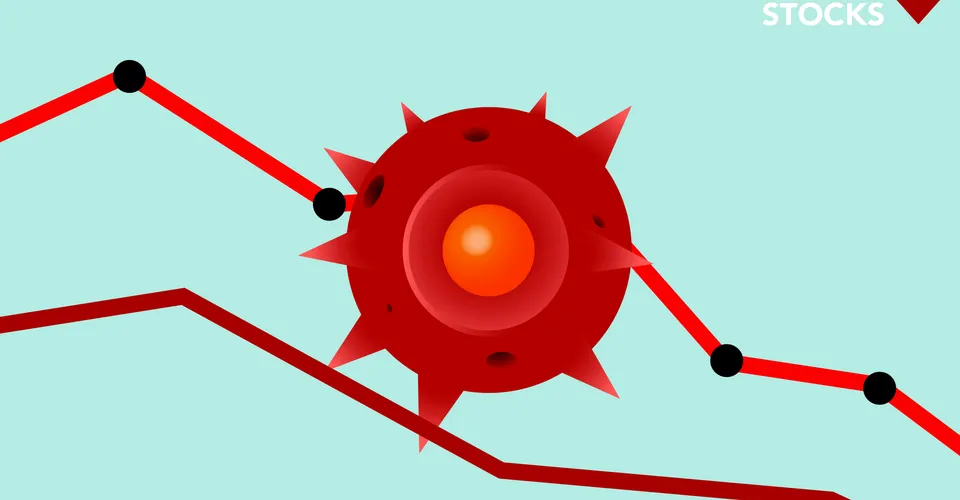
The stock market just hit fresh records. The Nasdaq is on its best run in decades. The S&P 500 keeps climbing despite Iran tensions, the Strait of Hormuz getting choked off, and about seventeen other things that should theoretically crater equities.
Buy-and-hold investors are feeling pretty smug right now.
They should probably stop.
Here’s the thing nobody wants to admit: markets can stay rational longer than you can stay solvent, and we’re testing that theory hard. A little-known indicator—the kind that doesn’t get tweeted about but matters in rooms where actual money moves—is flashing red for the first time in 25 years. That’s not a cute warning. That’s a alarm that typically precedes genuinely ugly selloffs.
But before I explain why I think we’re dancing on increasingly thin ice, let’s establish what’s actually real right now.
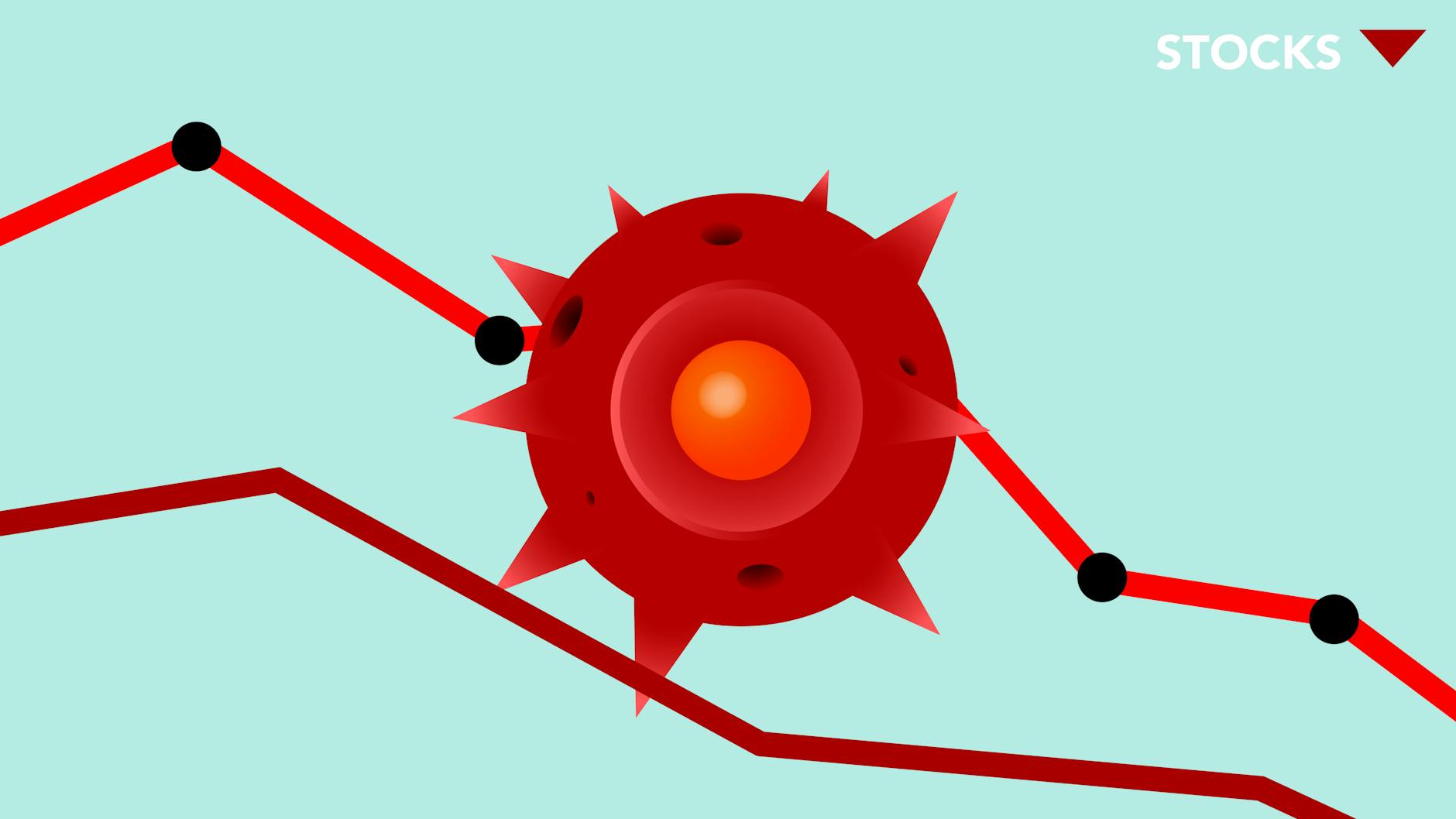 Photo by Monstera Production / Pexels
The Illusion of Calm
Yes, stocks went up while geopolitical risk exploded. Yes, the S&P 500 is near all-time highs. Yes, the Nasdaq is crushing it. This is factually true and also completely misleading as a signal of underlying health.
The market rallied despite headlines about Iran war because—and I want to be blunt here—Wall Street has trained itself to assume every geopolitical crisis resolves without economic consequence. It usually does. Except when it doesn’t.
The Strait of Hormuz situation is instructive. Ships are actually turning away. Freight analysts and oil experts told CNBC the waterway remained effectively closed despite Iran’s Friday declaration that it’s open. This is the kind of detail that bubbles up, gets discussed in a few trading rooms, and then gets memory-holed because the market didn’t crater immediately.
But here’s what matters: 20% of global oil flows through that strait. Asian markets depend on it like a lung depends on oxygen. One ETF could soar if it stays open. Conversely, if it doesn’t, we’re looking at an energy shock the likes of which we haven’t seen since 2011.
The fact that stocks are pricing in zero probability of that scenario is either genius or insanity. I’m not certain which yet, which annoys me.
 Photo by Markus Spiske / Pexels
The Fed’s Handcuffed Position
Federal Reserve Governor Christopher Waller just said the central bank is staying on hold because Iran war risks and labor market uncertainty are complicating rate decisions. Translation: we have no idea what’s coming so we’re not moving.
That’s not confidence. That’s paralysis dressed up in Powell-speak.
The Fed can’t cut aggressively because inflation is still sticky. It can’t stay elevated indefinitely because the labor market’s showing cracks. And now it can’t even make a coherent plan because geopolitical shocks are unpredictable. So the Fed does what all institutions do when they’re genuinely confused: nothing.
Markets hate nothing more than uncertainty from central banks. They love certainty—even bad certainty. “Rates are going to 6%” is a coherent thesis. “We’re waiting to see what happens with Iran” is not.
The Sector Rotation Nobody’s Talking About
Industrial stocks are up 12% over six months. The S&P 500 is up 5.4%. That’s a 2.2x performance spread, which is not nothing. The excitement is supposedly coming from a “friendlier regulatory environment” under the Trump administration.
Fair enough. But three industrials stocks are showing warning signs. No one’s naming them in the headlines I’m seeing, but the fact that someone bothered to write that article suggests the sector’s not as clean as the aggregate numbers make it look.
This is how corrections start. Broad indices look fine. Specific sectors begin to crack. Earnings estimates stay the same. Then one quarter arrives and suddenly the model breaks.
The AI Arms Race Just Got Weirder
Cerebras filed for an IPO after scrapping one last year. The company’s supposedly going to expand business with OpenAI over coming years and gave OpenAI a warrant to buy stock.
Separately, Trump says he had “no idea” Anthropic CEO Dario Amodei met with White House officials about something called “Mythos” (which I genuinely don’t understand from the headlines). This happens less than two months after Trump blacklisted Anthropic’s Claude.
What’s wild here is that AI company valuations are detached from fundamentals in a way that reminds me of 1999 dot-com era—except with better technology underneath. The sector’s growing real value. But the pricing is speculative as hell. When Cerebras can get an IPO done and immediately give another company a warrant to buy shares, you’re watching capital allocation that’s more about momentum than cash flows.
And Netflix is suddenly shopping for M&A targets after being “a builder not a buyer” for years. Co-CEO Ted Sarandos said the company built its “M&A muscle” while pursuing Warner Bros. Discovery assets.
That’s not a throwaway line. That’s a signal that Netflix is hungry to deploy capital in deals. Companies that shift from organic growth to acquisition mode are usually doing it because organic growth is getting harder to find.
Photo by Markus Spiske / Pexels
What This All Means
My read is that we’re looking at a market that’s pricing in a perfect scenario: geopolitical tensions resolve cleanly, the Fed eventually cuts rates, AI growth accelerates forever, and industrials benefit from a business-friendly government. That’s not wrong. It’s just not the only scenario.
Here’s what I actually think is happening: the market’s rewarding optimism because optimism has worked for 18 months. But the warning signs—the 25-year indicator, the Hormuz ambiguity, the Fed’s paralysis, the sector cracks, the speculative AI valuations—suggest we’re overdue for a reality check.
I’m not predicting a crash tomorrow. I’m saying the risk-reward setup is inverted. We’re getting paid 3-4% upside for taking 15-20% downside risk. That’s a sucker’s trade.
The Strait of Hormuz situation alone should be worth 200-300 basis points of equity risk premium. We’re not pricing that in. We’re pricing in “it’ll be fine.”
One honest admission: I don’t know if the 25-year indicator is actually predictive or if it’s a statistical artifact that happens to look scary. The market could just keep grinding higher. But if it does, it’ll be despite the warnings, not because they don’t exist.
What I’m Watching
-
Strait of Hormuz maritime traffic through February: If ships are still routing around instead of through, we’re looking at a $10-15/barrel structural oil premium that’ll hit Q1 earnings. Check shipping ETFs and tanker stocks as the real canary.
-
Industrial sector earnings in mid-February: If the 12% six-month rally is real, those Q4 earnings need to justify it. If three of those warning-sign stocks disappoint, the whole sector unwinds.
-
Fed speakers in late January: Waller’s “we’re on hold” stance only works if other governors agree. If Bowman or other doves start talking about rate cuts, markets rally. If hawks push back, you get volatility. Watch for the language shift.
-
Cerebras IPO pricing and first-week trading: This is your real-time window into whether AI capital is still flowing or starting to discriminate between companies. A weak IPO is a tell that the AI boom’s getting selective.