The Infrastructure is Rotting While We Build the Future
Linux gets pwned, open source bleeds credentials, and everyone's too busy chasing AI billions to notice the foundation's on fire
Ubuntu’s been down for over a day. That’s not a footnote. That’s a five-alarm fire that most people are treating like a flickering dashboard light.
Meanwhile, the most severe Linux threat in years just surfaced—and caught the entire industry flat-footed. An open-source package pulling a million downloads monthly was quietly harvesting user credentials. Security firms Checkmarx and Bitwarden got singled out. University websites are serving porn because nobody bothered to do basic housekeeping on their servers.
This is the gap between where we are and where we think we are.
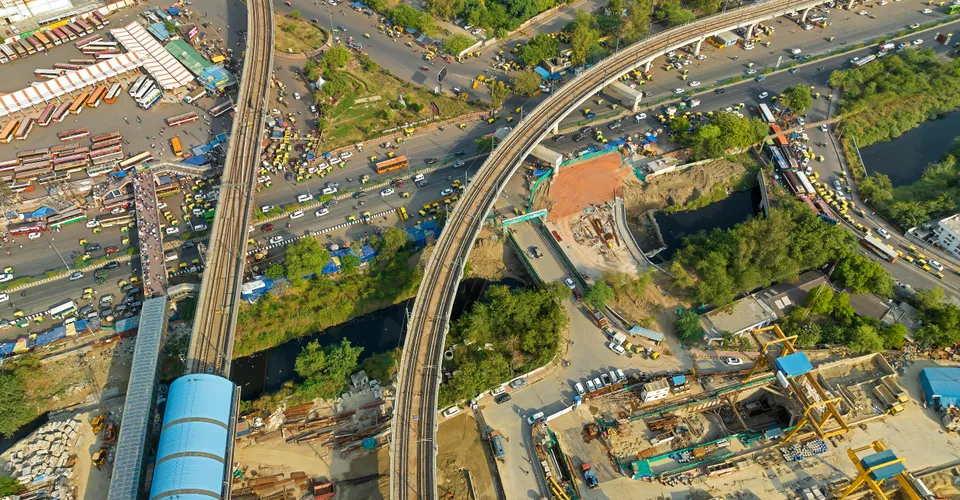
 Photo by Anil Sharma / Pexels
The Cascade Effect Nobody Wants to Admit
Here’s what’s actually happening: the infrastructure that runs basically everything—your cloud, your CI/CD pipelines, your source code repos—is increasingly a patchwork of volunteer-maintained packages, corporate shortcuts, and systems that haven’t been audited since 2015. We’ve built a civilization on the assumption that open source just works, that the people maintaining it care enough to catch malicious code, that security by obscurity isn’t real.
We were wrong about all three.
The Linux threat and the credential-stealing package aren’t anomalies. They’re symptoms of a system under stress. When a package hits a million monthly downloads, that’s a million points of failure. One maintainer. Maybe two. A few spare hours a week if they’re lucky. Then someone figures out how to slip poison into the well, and suddenly it’s not their problem anymore—it’s everyone’s.
The supply-chain attack on Checkmarx and Bitwarden is worse because it proves the attackers understand the economics of leverage. Hit the security gatekeepers, and you’ve potentially compromised everyone they’re supposed to protect. It’s like breaking into the alarm company’s office and finding the master key.
And Ubuntu going dark for a day? That’s the actual wake-up call. Ubuntu runs a massive chunk of cloud infrastructure. When it’s down, startups can’t spin up servers. CI/CD pipelines hang. People lose money. The fact that this happened and we’re collectively moving on suggests we’ve accepted fragility as a cost of doing business.
 Photo by UMA media / Pexels
The Paradox: We’re Building Mars Rockets While the Bridge Is Collapsing
There’s something almost darkly comic about the timing here. While infrastructure rots, the industry is throwing hundreds of billions at the next shiny thing.
Uber’s CTO announced they’re turning millions of drivers into a sensor grid for self-driving cars. That’s a real pivot—monetizing drivers while the self-driving tech that’s supposed to replace them inches forward. Replit and Cursor are in acquisition talks that could hit tens of billions. Meta just bought a robotics startup to boost its humanoid AI models. Coatue is buying up land near power sources, probably for data centers that’ll run the next generation of AI.
Musely got $360 million in non-dilutive capital from General Catalyst without giving up equity. That’s not even a real company by the standards of five years ago—it’s a DTC skin care app—but the capital markets are so flooded they’re literally throwing money at anything with a moat and recurring revenue.
The math is simple: there’s vastly more incentive to build the future than to fix the present. A zero-day vulnerability patch doesn’t get you into Y Combinator’s next batch. A robotics acquisition does. A Linux hardening initiative doesn’t raise a Series C. A $360 million check for skin care does.
So the infrastructure gets neglected.
Here’s my read: we’re about to hit a reckoning moment. Not immediately. But within 18 months, I’d bet we see a major breach that traces back to an open-source supply-chain attack—something that hits a Fortune 500 company or a government contractor hard enough that it forces actual regulation. When that happens, the economics flip. Suddenly maintaining security becomes a competitive advantage, not a cost center. Suddenly companies will hire people to actually audit dependencies.
Until then, we’re playing chicken with systems that weren’t designed for the load they’re carrying.
 Photo by Denys Gromov / Pexels
The University Porn Problem Is Peak Negligence
Real quick on the university websites serving porn: this is what happens when you own infrastructure but don’t actually manage it. It’s not a hack in the sophisticated sense. It’s someone with access to a server who either doesn’t know what they’re doing or doesn’t care enough to check. It’s the digital equivalent of letting your storefront windows get filthy.
Universities have the resources to fix this. They just don’t prioritize it. The website that serves prospective students porn isn’t where the prestige is. So it languishes.
This is the same reason hospitals get ransomware infections. The same reason election systems have vulnerabilities. We build these critical systems and then treat them like maintenance problems—defer them until something breaks spectacularly.
What Actually Matters in This Mess
The Uber sensor-grid play is worth watching because it suggests self-driving companies have given up on the perception problem being solved first. They’re going to collect trillions of data points from real drivers and use that to train models that’ll eventually replace those drivers. It’s elegant. It’s also a race condition—whoever has the most data wins, and Uber has more drivers than anyone else on Earth.
The robotics acquisition from Meta signals that humanoid AI isn’t staying theoretical much longer. They’re not just building models anymore. They’re building hardware that’ll eventually… well, they’ll tell you it’s for warehouse automation. I think it’s about preparing for the moment when physical robots that can think become viable products.
And Coatue buying data center land near power sources? That’s the real tell. Anthropic’s presumably burning through compute like a supernova. Someone’s got to build the infrastructure to feed that appetite. If Coatue owns the land, owns the power proximity, they own the leverage in the next generation of AI infrastructure deals.
The thing I genuinely don’t know is whether the security vulnerabilities we’re seeing now will force a reckoning before these moonshots get more expensive to protect than they’re worth. My instinct says no—we’ll wait until something terrible happens, then we’ll half-fix it, then we’ll go back to chasing billions.
What I’m Watching
-
Linux kernel vulnerability tracking through Q2 2024: If we see more zero-days targeting the same kernel components affected by the recent threat, that’s evidence the industry isn’t patching fast enough. If it stays quiet, we got lucky.
-
Open-source supply-chain audit adoption by major cloud providers: Within six months, look for AWS, Azure, and GCP to announce new dependency scanning or verification requirements. If they don’t, that means they don’t think it’s bad enough to justify engineering investment.
-
Humanoid robotics product announcements from Meta and others by end of 2024: The robotics land grab isn’t about research. It’s about timeline. If we see commercial product previews within a year, the AI-in-hardware race just went from theoretical to real. That’ll force security and liability conversations nobody’s ready for.
-
First major enterprise breach traced to open-source package exploit: This is the trigger. When it happens, everything changes. Regulation follows, investment in security tooling spikes, and the economics of neglecting infrastructure finally shift. I’d give this a 65% chance of happening within 18 months.
Until then, keep your eyes on the infrastructure you don’t think about. It’s probably on fire and nobody’s told you yet.