The Diplomacy Stalemate Nobody's Talking About
Trump keeps backing down on Iran. Europe's finally funding Ukraine. But the real story? Everyone's playing for time while the ground shifts.
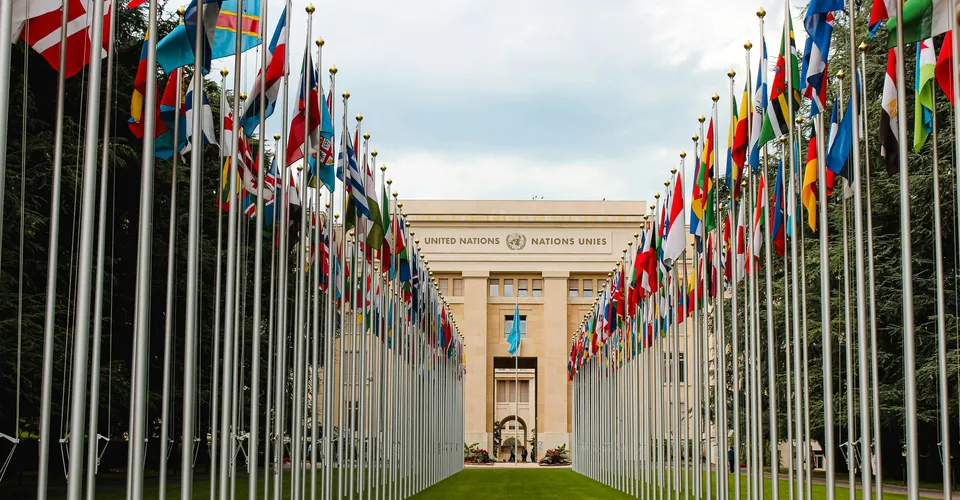
Trump extended a cease-fire with Iran. Tehran said no thanks.
That’s the sentence that matters here, and it tells you everything about where we actually are right now. Not in some grand reset moment. Not in a breakthrough. In a holding pattern where the strongest player on the board is discovering that strength doesn’t always move pieces the way you expect.
Let me back up. The headlines are telling us something fascinating: a bunch of individual crises that look unrelated until you see they’re all the same story. Diplomacy has become a game of buying time. And nobody knows what happens when the time runs out.
The Iran Play That Isn’t Working
Trump’s decision to extend the cease-fire with Iran marks the second time in two weeks he’s stepped back from an escalation threat. That’s not toughness. That’s not strategy. That’s a guy holding a card he thought was a trump but discovering the other player’s already folded twice and won’t fold again.
Here’s what’s happening: Iran’s military attacked at least two ships near the Strait of Hormuz while the U.S. and Iran were locked in a stalemate over peace talks. Iran declined to join those talks. So Trump offered more time. And Iran… kept enforcing. Not dramatically. Not in a way that triggers massive retaliation. Just enough to say: we’re not impressed by your patience.
This is asymmetric pressure that’s upside down from what we’re used to seeing. Usually the U.S. president threatens, and adversaries blink. Trump threatened, extended the deadline, threatened again, extended again. At what point does the third extension become the actual policy?
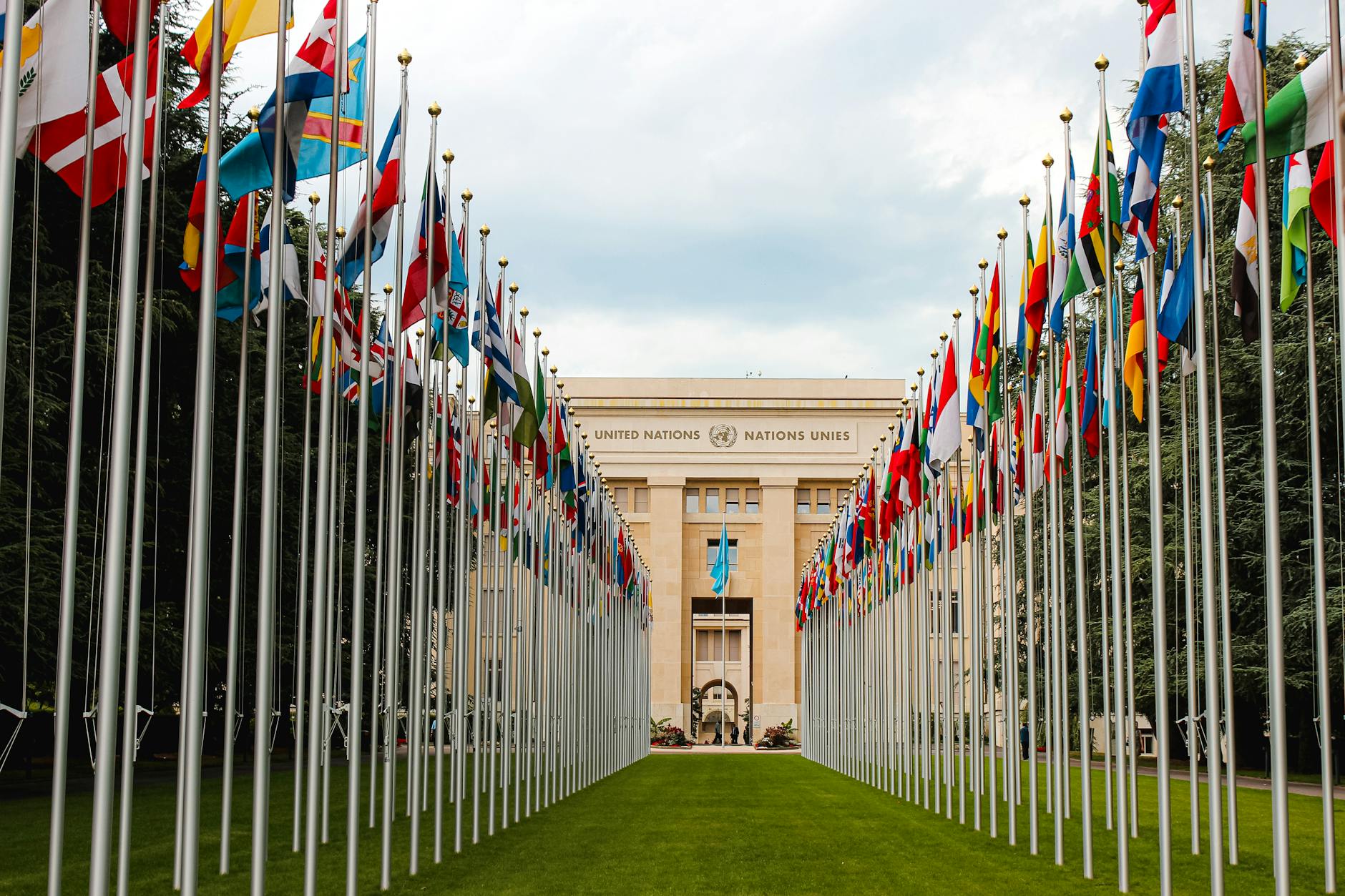 Photo by Mathias Reding / Pexels
My read: Trump’s painting himself into a corner where he either has to follow through on massive military action he doesn’t actually want, or accept that his threats aren’t currency anymore. Neither is great.
The chess move I’d watch for? Whether Iran escalates beyond port enforcement to something that physically hits U.S. assets or allies in a way that forces Trump’s hand. They’re testing the boundary between “enforcement action” and “attack”. That line matters because once you cross it, the time-buying stops.
Europe Finally Acts (While Viktor Orban Watches)
Meanwhile, the EU just approved a €90 billion loan to Ukraine. You’d think this would be the headline. It’s not. You know why? Because it took them months of deadlock—with Viktor Orban basically holding the money hostage over a Russian oil pipeline issue—to get here.
Let me put this in perspective. Ukraine’s fighting for its survival. The EU had already agreed to this funding last December. But it took until now to actually unlock it because Hungary’s prime minister wanted to negotiate the terms of Russian energy shipments. That’s like your neighbor’s house being on fire and you refusing to call the fire department until someone agrees to fix your fence.
And even now, the money is coming in the form of a loan, not grants. Which means Ukraine’s going to be paying back Europe while it’s literally rebuilding towns that Russia destroyed.
Here’s what I think’s happening: Europe knows it can’t let Ukraine fall, so it’ll keep finding ways to fund the fight. But it’s doing it painfully, reluctantly, and with enough friction that every dollar takes three months of negotiations. That’s not sustainable long-term. You can’t run a war effort on a payment schedule that requires unanimous EU consent.
The real tell? That Orban had to be negotiated with at all. Five years ago, that wouldn’t have happened. Now he’s a veto player on continental security. That’s not a small shift.
Photo by Mathias Reding / Pexels
The Soft Collapsing of Soft Power
Taiwan’s president had to cancel a trip because African countries revoked flight permits. Taiwan says it’s Beijing’s pressure. Of course it is. And of course those African nations complied, because Beijing’s economic leverage is real and Taiwan’s is… less real.
This is what losing soft power looks like. It’s not dramatic. It’s not a war. It’s just: the other guy makes a call, and suddenly your plane can’t land.
I’ve reported from enough African capitals to know how these decisions get made. It’s rarely ideological. It’s usually: “Can we afford to say no to Beijing right now?” And the answer, for most of these countries, is no. They need the investment, the loans, the Belt and Road infrastructure. Taiwan needs them to vote the right way at the UN sometimes.
The currency is flipped. That’s the real story.
When Soldiers Take Selfies (and the System Cracks)
South Korean fighter jets collided because pilots were taking pictures.
Let me just sit with that for a second.
Two trained military pilots, in multi-million-dollar aircraft, crashed because they wanted photos. One got fined thousands to cover repairs. This is both hilarious and terrifying—hilarious because it’s absurd, terrifying because it suggests the kind of casual lapses that cascade into bigger problems.
This doesn’t seem diplomatic. But it is. It’s a window into operational culture in a peninsula where a single miscalculation could ignite a regional war. If pilots are distracted enough to collide taking pictures, what else are they missing? What happens when a North Korean missile test is misinterpreted by someone equally casual?
I’m probably reading too much into it. But in conflict zones, the small failures are usually early warnings.
The Pattern Nobody’s Naming
Here’s what connects all of this: Everyone’s in a holding pattern. Trump’s buying time with Iran. Europe’s processing Ukraine’s funding in slow motion. Taiwan’s being squeezed. Korea’s military is distracted. Russia’s forcing Ukrainians to get new property deeds to lock them in.
The pattern is: Nobody can end anything decisively, so everyone’s just… waiting. Securing positions. Testing boundaries. Hoping the other guy blinks first.
That works for a while. But holding patterns eventually need landing clearance or they run out of fuel.
What I’m Watching
Iran’s next move beyond port enforcement. If they escalate to something that actually damages U.S. or allied assets in a way that’s hard to spin as routine enforcement, Trump loses the time-buying option. Watch for any incident in the Strait of Hormuz that closes shipping or produces casualties. If that happens in the next 90 days, we’re out of the diplomatic phase.
Whether Ukraine’s loan actually disburses on schedule. The €90 billion only matters if it actually reaches Ukrainian accounts. Watch for Orban to find a new objection in Q1 2025—maybe related to sanctions compliance or Russian asset seizures. If disbursement stalls again, the funding structure is broken.
Taiwan’s next scheduled diplomatic visit and whether it succeeds. Lai’s canceled trip showed Beijing can control African airspace through economic pressure. The next test is whether Taiwan attempts another trip and, if so, whether more countries comply with Beijing’s pressure. Success for Taiwan would mean at least one country refusing to revoke permits. That would be the real shift.