The Ceasefire That's Already Rewriting the Oil Market—and Maybe U.S.-Iran Peace
Lebanon's truce halts fighting, Iran opens the Strait, and suddenly oil plummets. Here's what actually changes and what could still explode.
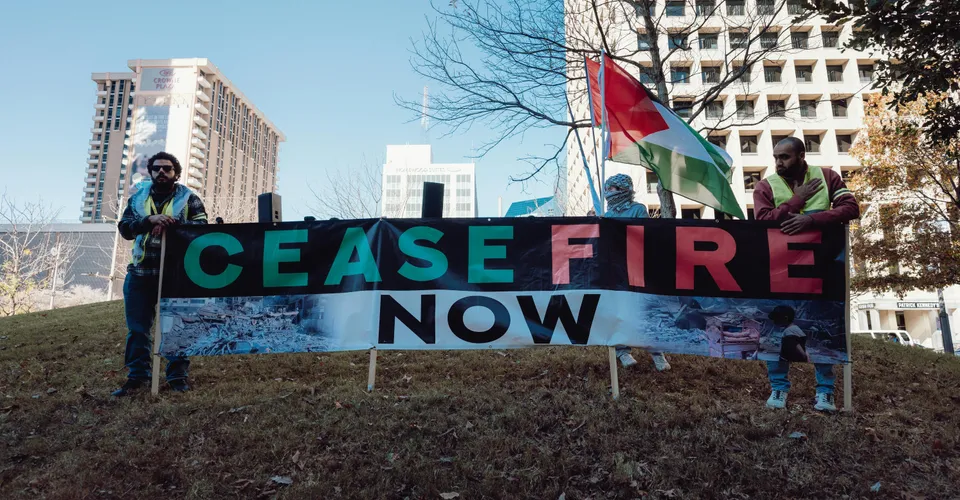
The Strait of Hormuz just reopened for business. That’s the headline. But buried inside that sentence is a deal so fragile you could crack it by breathing on it wrong.
Iran declared the waterway open for commercial traffic on the heels of a ceasefire between Israel and Hezbollah in Lebanon. Brent crude sank by about 10 percent almost instantly—the market’s way of saying “okay, we can actually ship oil again without getting blown up.” That matters. About a third of global maritime oil passes through that chokepoint, and for weeks it’d been sitting under a cloud of possible Iranian retaliation for Israeli strikes.
Here’s what I’m tracking: this ceasefire is simultaneously real and extremely temporary.
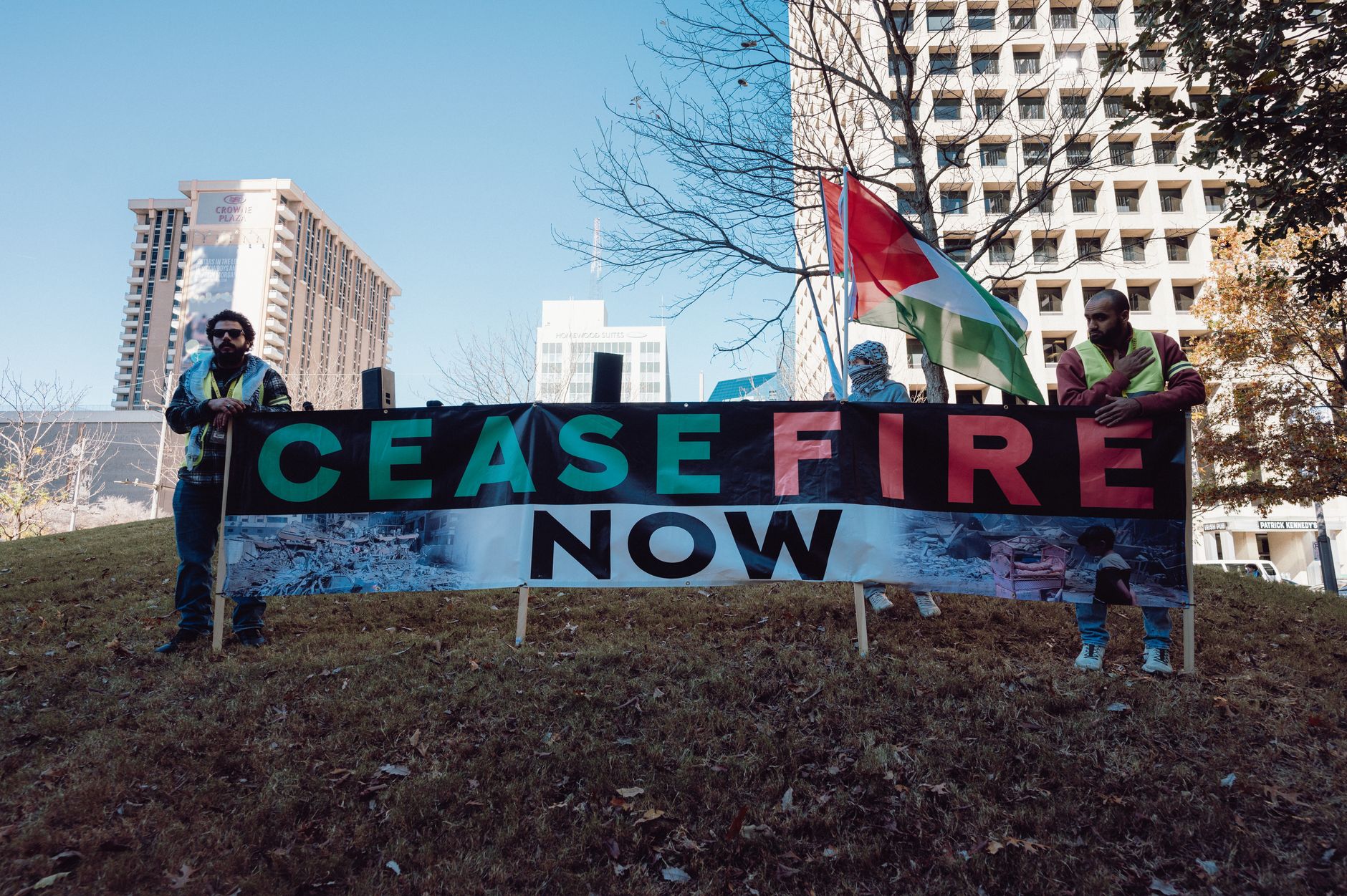 Photo by Alfo Medeiros / Pexels
The Ceasefire Works—Until It Doesn’t
The Israel-Lebanon truce is holding. Hezbollah hasn’t publicly embraced it, which is awkward, but they’re adhering to it anyway. That tells you something important: they don’t want to be the ones who torch the peace deal five minutes in. Thousands of Lebanese who’d fled the fighting are now streaming south in bumper-to-bumper traffic, desperate to get back to homes they abandoned weeks ago. That’s genuine relief. That’s real.
But obstacles to lasting peace remain. The phrase keeps popping up in coverage, and it’s doing a lot of work—basically saying everyone knows this could collapse. A 10-day ceasefire is a cage match with boxing gloves on. It’s not a resolution. It’s a pause to see if people can remember how to talk to each other.
Iran’s decision to declare the Strait open is the tell. They’re signaling that they’re not looking for a confrontation right now. That’s not the same as saying they’ve made peace with Israel or that the underlying tensions have evaporated. What it does do is create space—thin, fragile space—for U.S.-Iran diplomatic talks to maybe happen without the immediate threat of missiles flying.
The Trump Factor and the Bluff Within the Bluff
Here’s where it gets weird. While Iran’s saying the Strait is open, Trump’s administration is announcing it’ll maintain its blockade on Iran. Not a military blockade—a sanctions blockade. Same effect, different mechanism.
That’s not a contradiction, technically. It’s a negotiating posture. Trump’s team is saying: “We see your goodwill gesture on the Strait. We’re keeping maximum pressure on otherwise.” It’s the diplomatic equivalent of acknowledging a handshake while refusing to let go of your wallet.
A 27-year-old named Samuel Samson is apparently the driving force behind Trump’s push to “upend America’s postwar relationship with Europe.” Five years out of college. I genuinely don’t know if that’s the future of American diplomacy or a subplot from a Sorkin show that nobody’s willing to fact-check. But the fact that someone that junior is running cultural and diplomatic messaging at this level tells you the Trump team isn’t interested in institutional consensus. They’re moving fast, and they’re willing to break things to see what sticks.
That energy gets imported into the Iran question. Trump doesn’t negotiate the way the last few administrations did. He might actually see an opening here that traditional diplomacy couldn’t—or he might torpedo it by treating it like a real estate deal where leverage is the only language that matters.
 Photo by Markus Winkler / Pexels
The Oil Market Spoke. Here’s What It Thinks.
Brent crude dropping 10 percent is the market saying: “We believe the Strait will stay open, and we’re repricing based on that belief.”
That has real consequences. Lower oil prices ease inflation pressure. They help Biden’s (now Harris’s) economic messaging, they hurt Russia’s revenue stream, and they put less stress on global supply chains. But they also mean Iran’s oil export revenues just took a hit—not catastrophic, but real.
My read is that Iran calculated this was worth it. A partially functioning Strait with sanctions attached is better than a fully closed Strait with shooting. They get some economic relief from shipping; they avoid immediate escalation; and they keep the door open to talks that might—might—reduce some of those sanctions down the line.
The thing I’m uncertain about: whether this holds past 10 days. I’ve covered enough ceasefires in the Middle East to know that the first two weeks are easy because nobody wants to be blamed for breaking them. After that, the structural problems reassert themselves. Who monitors compliance? What happens if Israeli troops don’t fully withdraw? What happens if Hezbollah restocks weapons? These aren’t small questions.
The Peripheral Players Nobody’s Talking About
While all this was happening, Daniel Kinahan—an Irish crime boss in his 40s—got arrested in Dubai. Bellarmine Mugabe, Robert Mugabe’s son, pleaded guilty to shooting someone in South Africa. The Pope is saying Mass in Cameroon before heading to Angola.
I mention these not as a “here’s the news roundup” but because they illustrate something: the world is full of separate crises that don’t stay separate. Kinahan’s arrest in Dubai happens because Interpol works, because countries cooperate on fugitives, because the system has some baseline functioning. But that same system that catches crime bosses sometimes fails to prevent wars.
The drug smuggling piece is the one that actually worries me most, buried as it is. Gangs are moving record amounts of cocaine across the world despite drones, troops, and AI. That’s not a failure of technology; that’s a failure of will or capacity or both. And when you’ve got that kind of persistent drug flow funding criminal enterprises, you’ve got a destabilizing force that no ceasefire in the Middle East actually addresses.
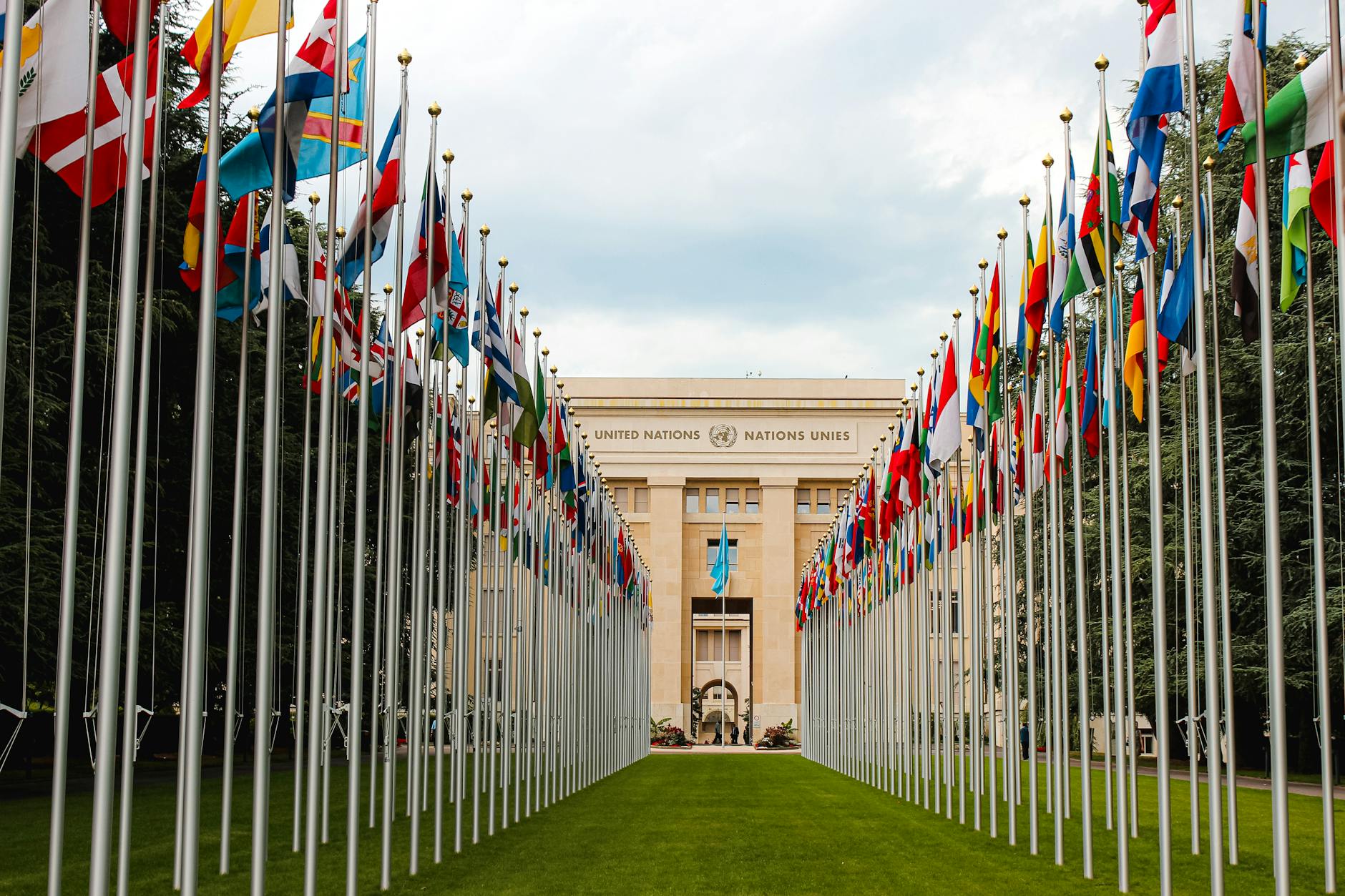 Photo by Mathias Reding / Pexels
What Actually Happens Next
Trump’s team will try to lock in negotiations with Iran while the Strait’s open and oil prices are down. That’s their window. They’ll push hard, probably harder than necessary, because that’s how they operate.
Hezbollah will test the ceasefire limits—probing, not violating, just checking the boundaries. Israel will respond with restraint or overreaction depending on who’s in charge of that decision that particular day. Lebanon will slowly fill back up with returning refugees. The Strait will stay open because nobody wants to be the villain who closes it.
But by mid-2025? I think you’re looking at either a real diplomatic breakthrough with Iran—unlikely but possible if Trump sees a political win—or a slow return to the previous tensions. The 10-day thing will probably extend, because extending is easier than restarting, and governments like easy.
The oil market will stop paying attention because markets are attention-deficit. That’s actually dangerous. When Hormuz closes again (and I’m betting it does by Q3), the repricing will be sharp and ugly.
What I’m Watching
- The 10-day extension announcement (or lack thereof). If Lebanon’s ceasefire doesn’t get extended by day 8, assume we’re headed back to conflict. That’s your trigger.
- Iran’s actual oil shipments. Trump’s blockade is one thing; actual export volumes are another. Watch Iran’s shipping data starting in February. If they’re not actually exporting more crude despite the “open” Strait, the whole gesture was theater.
- Samuel Samson’s next move. A 27-year-old running Trump’s European diplomacy is either a sign of brilliant disruption or unprecedented chaos. Whichever it is, his next public statement or policy shift will tell you which direction this administration is actually headed.