The Ceasefire That Nobody Believes In
Trump says the US-Iran truce holds. Iran says America's lying. Meanwhile, Pakistan's caught in the crossfire—literally losing workers over it.
Donald Trump insists the ceasefire is still standing. Iran says the Americans just attacked their oil tankers and coastal positions. Both sides are right, which is exactly the problem.
This isn’t a ceasefire breaking down. It’s a ceasefire that was never actually built in the first place.
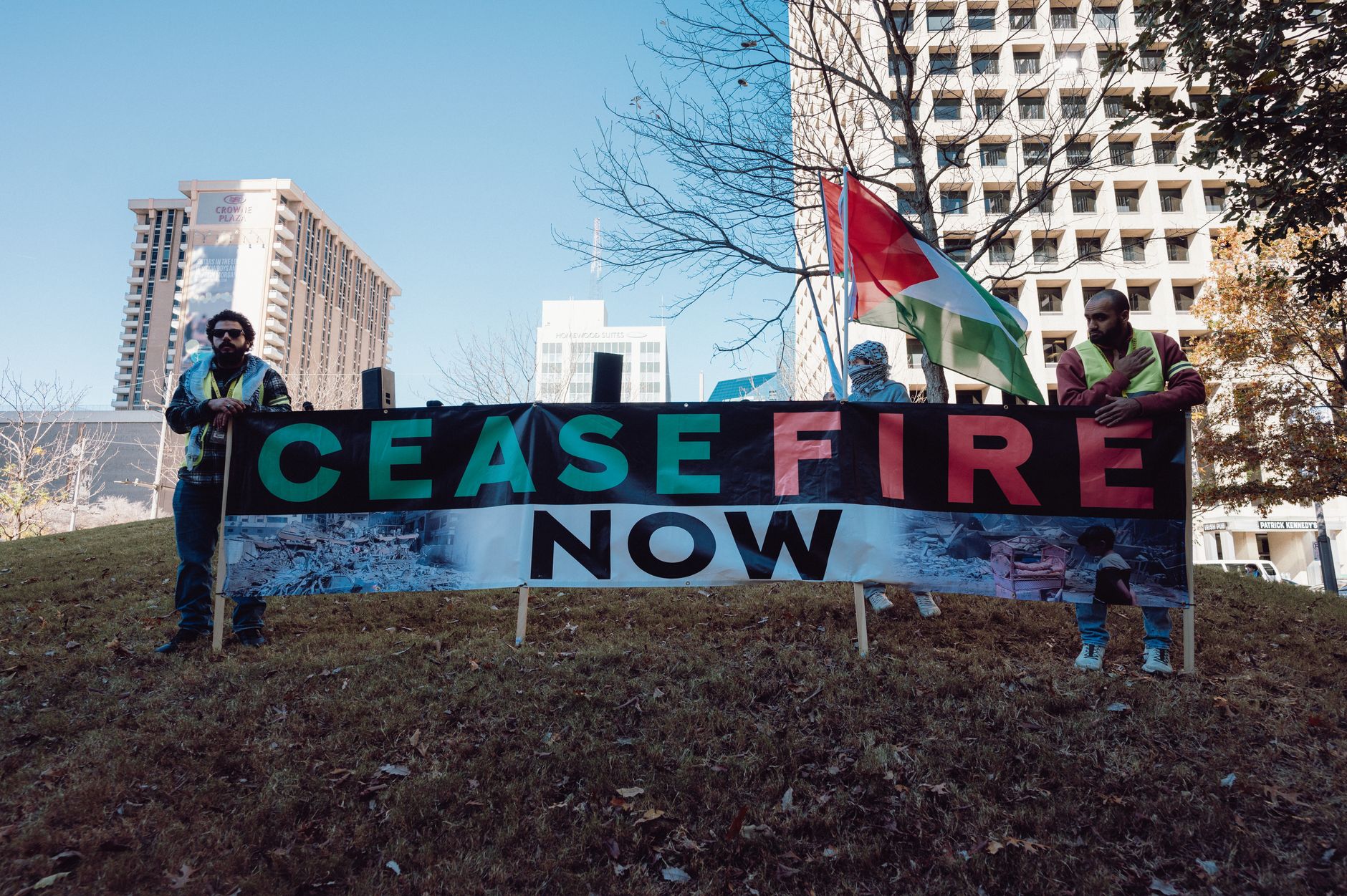 Photo by Alfo Medeiros / Pexels
What Happened in the Strait
The sequence is straightforward enough: US and Iranian forces exchanged fire in the Strait of Hormuz. The US said it struck Iranian military targets in response to strikes on American ships. Iran alleged the US targeted an oil tanker and attacked coastal areas. Then Trump tweeted that the ceasefire remains intact. Tehran immediately disputed this, essentially saying: Nice try, but you just violated our agreement.
Oil prices jumped. Markets hate ambiguity, and this is ambiguity squared.
The core issue is that neither side can agree on what was actually agreed to. Trump’s claiming the truce holds because… well, because nobody’s launched a full-scale invasion yet? Iran’s claiming it’s been breached because specific military assets were hit. They’re not even arguing about facts anymore—they’re arguing about the definition of the thing they supposedly both signed.
This is what happens when two countries negotiate through a third party (Pakistan, in this case) without ever sitting down to write down precisely what “ceasefire” means. Does it include naval operations? Does it exclude defensive strikes? Can you hit targets if you claim they were about to hit you? The vagueness isn’t a bug; it’s how both sides have room to claim victory while doing what they were going to do anyway.
Pakistan’s Unexpected Price Tag
Here’s the overlooked part of this story: Pakistan is literally paying a physical cost for playing peacemaker.
The UAE is expelling Pakistani workers en masse. Not firing them. Expelling them. The timing matters—this is happening right as Pakistan sits at the table mediating between Washington and Tehran. The Emirates, traditionally closer to the US orbit, appears to be punishing Pakistan for that mediation work. It’s a form of economic coercion, and it’s working: Pakistani workers are being sent home, disrupting families and remittances that matter to millions back in Islamabad.
This is what middle-power diplomacy gets you. Pakistan’s trying to be the adult in the room, and its supposed ally is using the expulsion of migrant workers as a pressure tactic. It’s crude. It’s effective. And it shows that any gains Pakistan makes in US-Iran negotiations will come with costs it didn’t negotiate for.
Pakistan’s bet is that successful mediation between Washington and Tehran will eventually strengthen its regional position and its relationship with the US. The UAE’s bet seems to be that Pakistan shouldn’t be strengthening ties with Iran at all, regardless of the peacemaking pretense. One of these bets is about to lose.
The Broader Crack in the Middle East
What strikes me is how fragile the entire architecture feels. Trump’s willing to say the ceasefire holds because he wants a diplomatic win. Iran’s willing to dispute it because they need to show domestic strength. But neither side wants a hot war—not really, not right now.
That’s actually useful information. It means there’s a floor under this mess. But it also means the real negotiations are happening in the gaps between what’s being said publicly. Pakistan knows this. The UAE knows this. Everyone’s trying to position themselves for whatever comes next, and they’re all working from incomplete information about what the other side actually wants.
Compare this to the Cuban Missile Crisis in 1962. Kennedy and Khrushchev didn’t trust each other either, but they had direct communication channels and they understood the literal stakes—nuclear annihilation. This Iran situation has real stakes but much fuzzier communication. Nobody’s going to nuke anybody, but oil prices matter, regional stability matters, and Trump’s need for a foreign policy win matters a lot.
I think Trump’s declaring victory because he needs the political story more than he needs the actual peace. Iran’s pushing back because they need to prove they weren’t rolled. And Pakistan’s getting crushed in the middle because it’s the only party that actually wants this to work.
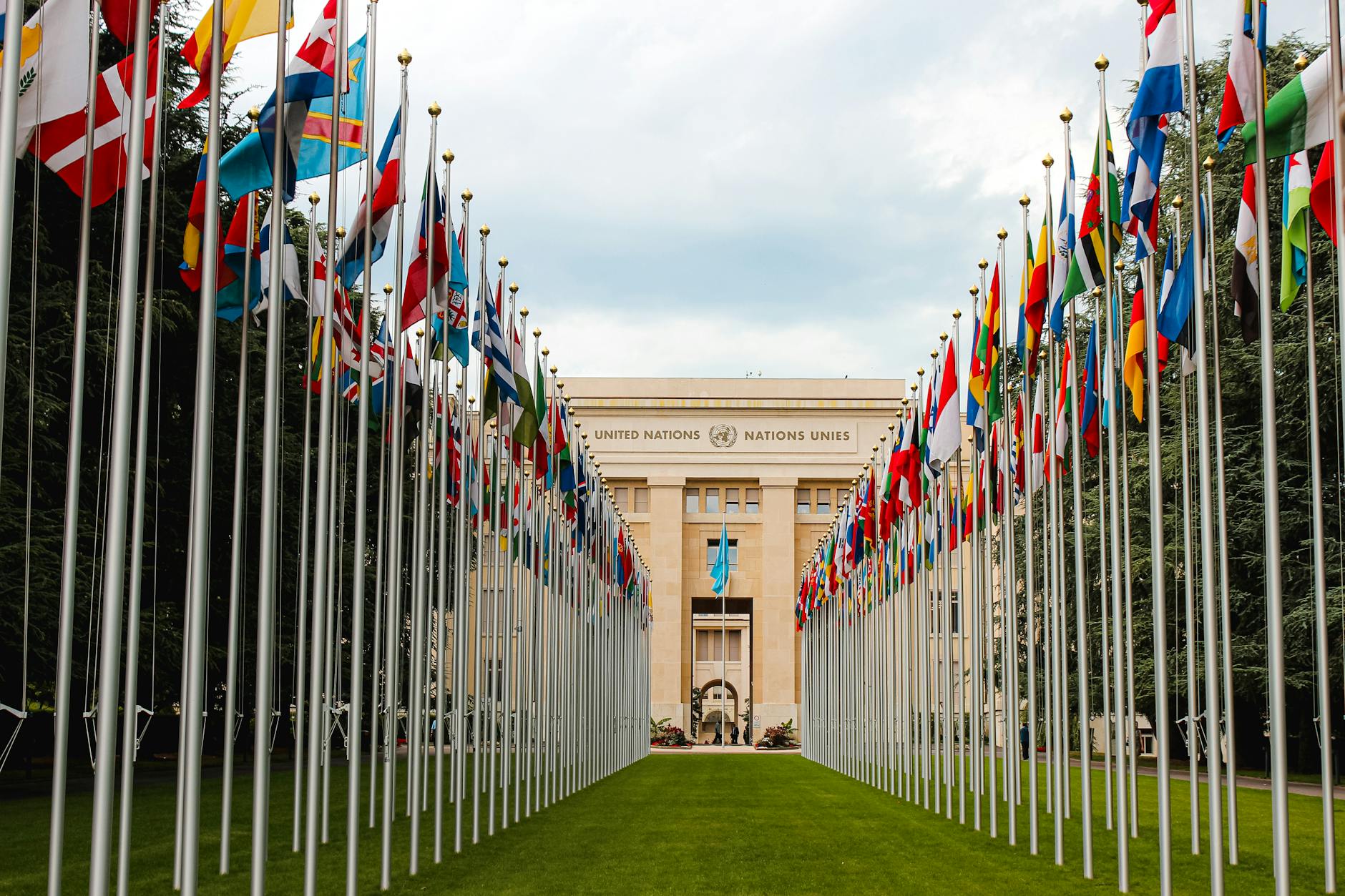 Photo by Mathias Reding / Pexels
The Japan Question No One’s Asking
While Washington and Tehran are playing chicken in the Hormuz, Japan’s having a genuine political crisis—and it’s barely making the news outside Japan.
Japan’s largest anti-war protests in decades are happening right now. The prime minister is pushing to rewrite the pacifist constitution. The population is visibly split, and the protests show it. This matters because Japan’s constitutionally limited defense posture has been the anchor of regional stability for 80 years. If that shifts, everything shifts. China watches this. South Korea watches this. Russia watches this.
But here’s what’s interesting: this is happening in the shadow of the US-Iran situation. Japan’s asking itself whether it can still rely on American security guarantees if America’s consumed with managing Iran. It’s asking whether it needs to build its own deterrent. These conversations don’t make headlines until they produce policy, and then everyone acts surprised.
The Uncertainty I’ll Admit
Look, I’ve covered enough crises to know I’m probably wrong about something here. Maybe the ceasefire actually is holding better than it looks. Maybe Pakistan’s expulsion situation will resolve quietly. Maybe Japan’s protests will fizzle. Probability isn’t certainty.
What I’m confident about: we’re in a period of maximum ambiguity, where every actor is performing for an audience while simultaneously trying to read tea leaves about what the other actors are actually doing. That’s the breeding ground for accidents.
The next escalation won’t come from a deliberate decision to break the ceasefire. It’ll come from miscalculation—from someone interpreting ambiguity wrong, from someone’s response triggering a counter-response, from the system collapsing because nobody ever actually defined what they agreed to.
 Photo by Bhabin Tamang / Pexels
What I’m Watching
-
Pakistan’s worker expulsion numbers through Q2 2024. If the UAE keeps up the pressure and expulsions accelerate, it signals the UAE is genuinely trying to break Pakistan’s mediation role. That’s a shot across the bow to other potential intermediaries. Watch whether this forces Pakistan to choose between Tehran and Washington.
-
Oil prices relative to the next US-Iran incident. If there’s another exchange of fire and oil prices barely move, the market has priced in a contained conflict. If they spike 8% or more, it means traders think the ceasefire really is cracking. That’s your signal the situation’s gotten more dangerous than the public messaging suggests.
-
Japan’s constitutional referendum timeline. The PM said he wouldn’t resign after recent election losses, but constitutional change requires massive political capital. If he tables the pacifist constitution rewrite in the next six months due to political pressure, it means domestic opposition is winning. If he pushes it through, Japan’s signaling a genuine rearmament that’ll reshape Northeast Asia.
-
Trump’s next public statement on Iran. His willingness to claim victory while nothing’s actually settled suggests he’s managing this for domestic optics. The moment he stops saying the ceasefire’s holding—the moment he changes the frame—that’s your warning sign that the behind-scenes situation has deteriorated beyond the point of the story he’s been telling.