The Ceasefire That Isn't: Why This Iran Deal Already Looks Like a Mirage
A US-Iran ceasefire collapses in real-time while Netanyahu plays both sides. Here's what happens next.
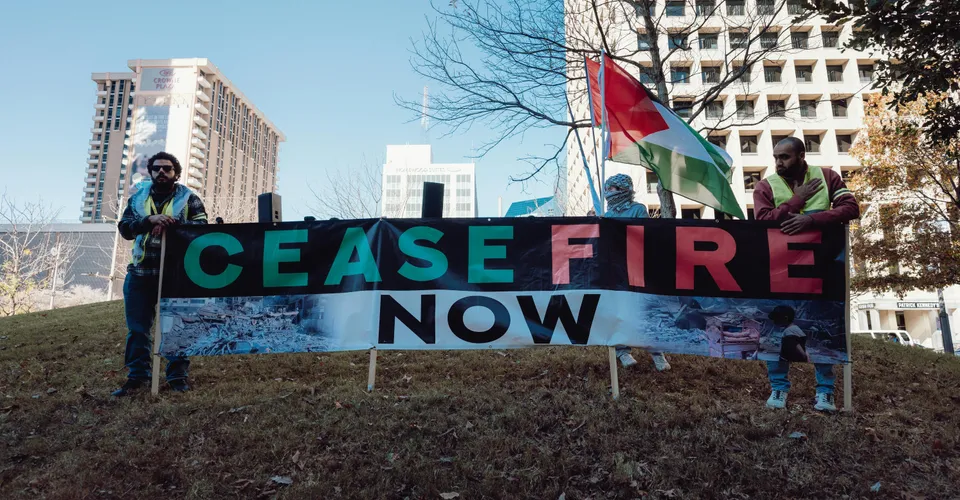
The ink wasn’t dry on the ceasefire agreement when Israeli jets were already bombing Lebanon.
Hours after the US and Iran announced they’d stopped shooting at each other, Israel launched a massive strike wave that killed at least 182 people across Lebanon’s southern suburbs, the Bekaa Valley, and Beirut itself. Netanyahu then turned around and said Israel would talk about disarming Hezbollah—the Iranian proxy force that Tehran insists is covered by the same ceasefire Israel is actively violating.
This is either theater of the absurd or a deliberate test of how far Israel can push before the agreement shatters completely. Possibly both.
The Ceasefire That Only Works For Some People
Here’s what we’re actually dealing with. The US and Iran agreed to stop their direct military exchange. Fine. That’s real. But Iran immediately made clear that Lebanon—where Hezbollah operates—should be covered by that same ceasefire. Netanyahu disagreed by bombing it anyway.
This isn’t a technicality. It’s the central disagreement that’ll determine whether we’re looking at a genuine pause or a temporary halting of one conflict while adjacent ones burn.
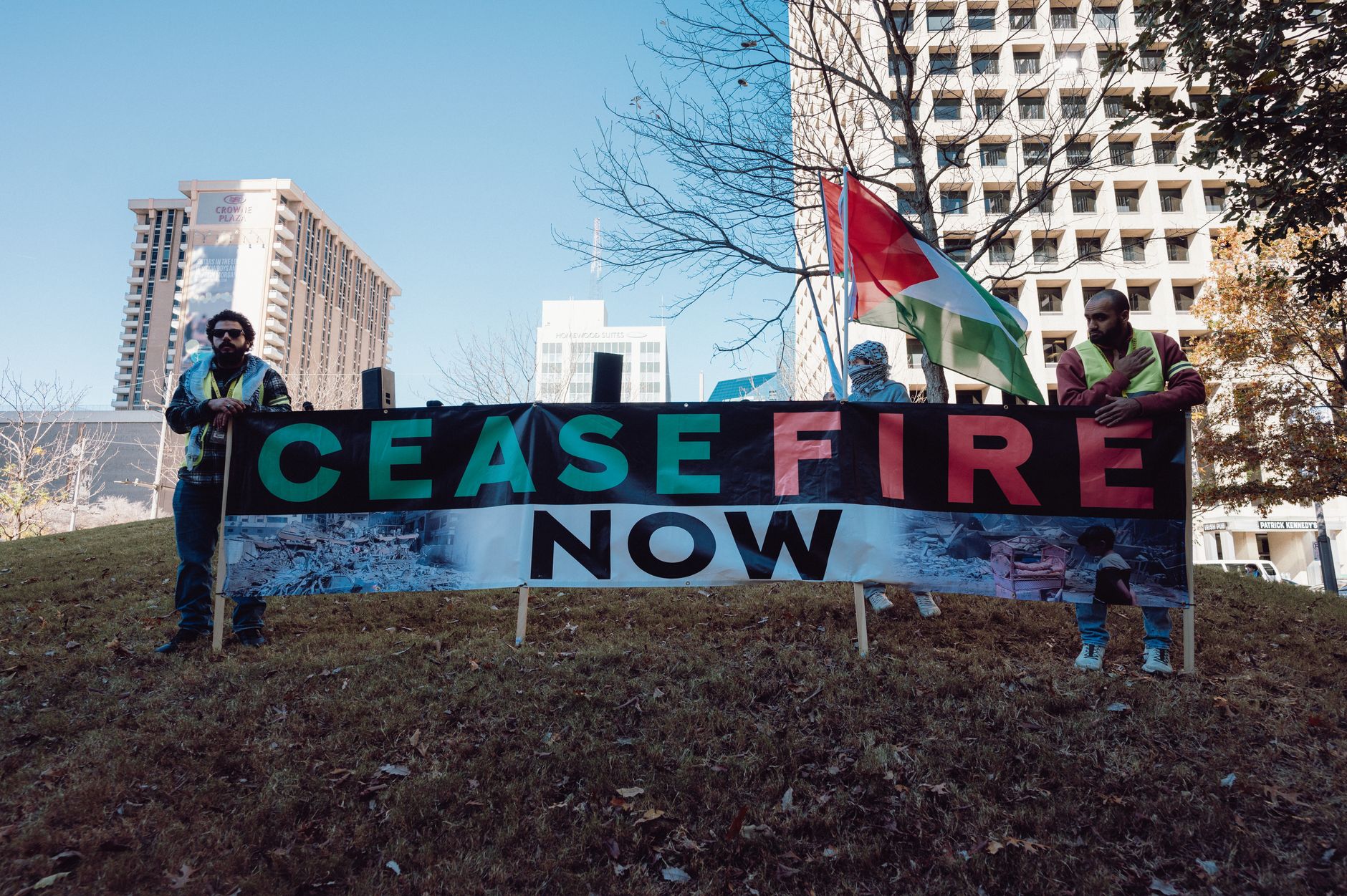 Photo by Alfo Medeiros / Pexels
The New York Times reports Netanyahu said Israel would enter talks about Hezbollah disarmament. “Talks.” Not action. Not withdrawal. Talks about a future conversation regarding the possibility of dealing with the group that just got pounded from the air while supposedly protected by an agreement Iran thought included them.
Iran’s theocratic leaders are claiming victory because they survived the onslaught. That’s not insignificant—a year ago, many analysts thought a US-Israeli campaign could trigger regime collapse. But survival isn’t the same as winning, and the seed of their next crisis is already planted: they’ve now demonstrated to their own population and allied groups like Hezbollah that US agreements don’t actually protect Iranian interests when the US’s closest ally in the region decides otherwise.
Why Trump Broke NATO Before Breaking Anything Else
Here’s something that stuck with me from the headlines: Trump is already criticizing NATO, saying the alliance “wasn’t there when we needed them” during the Iran war. The NATO chief called their meeting “very frank,” which is diplomat-speak for “we yelled at each other.”
This matters because it signals Trump’s first foreign policy move is to separate the US from its traditional alliance structure. He’s not quietly managing relationships. He’s publicly blaming Europe while simultaneously cutting a deal with Iran that Europe had no seat at.
Compare this to 1956, when Eisenhower forced Britain and France to back down during the Suez Crisis. That was a moment of American moral authority—the US constrained its allies for principle. This? This feels inverted. The US is cutting separate deals with adversaries while publicly humiliating allies. The Atlantic alliance isn’t just weakened; it’s being deliberately destabilized from the American side.
One columnist called this America’s “Suez moment”—shorthand for the beginning of a leading power’s decline. I think that’s premature. But it’s not insane.
The Collateral Damage Gets Almost No Airtime
While diplomatic cables flew, real people got crushed. Al Jazeera condemned the killing of journalist Mohammed Wishah in Gaza—Israel claims he was a Hamas operative, Al Jazeera denies it. The BBC obtained testimony from Iranian parents describing their children’s trauma from the war. “Endless fears,” the BBC headline reads, and the damage to their kids won’t heal when the shooting stops.
This is the brutal truth nobody wants to discuss in ceasefire statements: the psychological and physical wreckage outlasts the agreements. Iran’s children will carry this forward. So will Lebanon’s. So will Gaza’s.
And nobody in the room negotiating the ceasefire is accountable for that.
 Photo by Mathias Reding / Pexels
My Read On What Happens Now
I think Netanyahu is testing the limits of the ceasefire by bombing Lebanon specifically because he wants to create a fait accompli—present the world with destroyed Hezbollah infrastructure and say “well, this is the new reality, let’s talk about disarmament from here.” It’s a negotiating tactic dressed up as unfinished business.
The real danger is Iran’s response. They’ve taken a public victory lap about “surviving” the Israeli-American onslaught. But if Israel continues attacks under the cover of ceasefire talks, Iran faces a credibility crisis with Hezbollah and other proxy forces. Do they escalate and break the ceasefire themselves? Or do they swallow the humiliation and watch their regional power erode?
I’d bet on a period of tense ambiguity—ceasefire technically holding, but fraying at the edges through “technical violations” and “localized incidents” that both sides claim don’t break the agreement. This could limp forward for months. Or it could snap in days.
My prediction: Netanyahu will test this agreement’s boundaries at least twice more in the next 60 days. If Iran doesn’t respond militarily, the ceasefire becomes functionally one-sided, and we’ve just watched a major power accept a security arrangement where the other side gets to bomb with impunity. If Iran does respond, we’re back to the escalation ladder in February.
The Erosion Nobody’s Talking About
There’s something darker happening parallel to all this. In Russia, Moscow’s throttling independent media. A newspaper got raided. Rights groups are being outlawed. The Kremlin is liquidating the few remaining independent voices—organizations run by Nobel Peace Prize winners and Nobel laureates.
Why mention this in an Iran column? Because authoritarianism thrives in the space where democracies lose credibility. If the US is making one-sided ceasefire deals and publicly feuding with NATO over who showed up to help, then cutting corners on human rights to get quick diplomatic wins, the international system doesn’t just weaken—it loses moral authority. Autocrats watch and think: “Why should we bother with international norms when the supposed champions of those norms are abandoning them?”
Russia’s crackdown accelerates when it senses the West is divided and distracted. We’re handing them the moment.
What I’m Watching
1. Netanyahu’s next move against Lebanon: Days 15-30 after ceasefire announcement Watch for whether Israel conducts additional strikes under the guise of “defensive operations” or “counterterrorism.” If yes, that’s the ceasefire collapsing in slow motion. The specific trigger I’m tracking is whether any single strike kills 50+ people—that’s the threshold where Iran faces domestic pressure to respond militarily.
2. Iran’s public statements about Hezbollah protection: Next 10 days If Iran stops insisting Lebanon is covered by the ceasefire, they’ve quietly accepted a one-sided agreement. If they keep insisting but take no action when violated, they’ve lost credibility with proxies. The moment they shift language from “must be protected” to “we’re monitoring the situation,” that’s a tell.
3. Trump-NATO friction becoming policy: Next 45 days Is this just rhetoric, or is the US actually reducing NATO coordination on Middle East intel-sharing? Watch for any announcement about US military posture in Europe, basing agreements, or joint exercise cancellations. That’s when you know the alliance fracture is real.
4. Independent media in authoritarian states by March How many more publications or NGOs get raided in Russia, China, or elsewhere? The speed of crackdowns is directly proportional to how much space autocrats perceive in the international system. Rapid escalation there signals the ceasefire’s collapse was just the beginning.
The astronauts returning from the moon have clearer pictures than we do right now of what’s actually happening in the Middle East. And that’s saying something.