The Cartel-Gold Pipeline and Why Nobody's Stopping It
American institutions are laundering cartel gold while diplomacy collapses everywhere. This isn't dysfunction—it's the new normal.
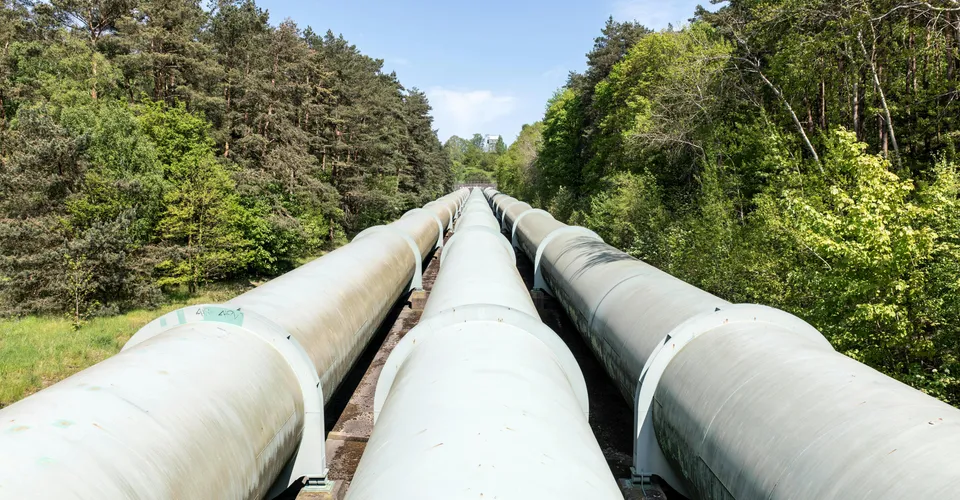
The U.S. Mint is buying gold from drug cartels and stamping it as American. Let that sit for a second.
Not hypothetically. Not “allegedly.” The New York Times found evidence of cartel mining operations on Colombian military bases—places where officers swore nothing illegal was happening while excavators ran yards away. The precious metal that emerges from those holes gets funneled through a supply chain so broken that it ends up in American government vaults.
This would’ve been a four-alarm scandal in 2010. Today it’s a footnote while we’re all watching the Middle East threaten to implode and Iran negotiations turn into a game of chicken neither side knows how to exit.
I think these things are connected—not as conspiracy, but as symptoms of the same collapse: when diplomatic architecture crumbles fast enough, when institutions lose the bandwidth to enforce their own rules, the margins expand. The criminals move in. The gold moves. The wars keep grinding.
 Photo by Wolfgang Weiser / Pexels
The Gold Loop Nobody’s Closing
Here’s what we know for certain: As gold prices soar, “the industry’s guardrails have broken down.” That’s not a business metaphor. It means the mechanisms that were supposed to prevent exactly this—cartels selling ore to legitimate smelters, which sell to refineries, which sell to mints—aren’t functioning anymore.
A cartel mine on a military base in Colombia isn’t hidden. It’s not secret. Soldiers posted there can see it. Hear it. The New York Times saw it. But when confronted, the officers denied it existed. Not “we’re investigating”—outright denial of observable reality.
That’s the tell. When officials stop bothering with the cover story, when they just lie flatly about things people can verify themselves, it means they’ve calculated that nobody with power cares enough to follow up. And they’re probably right.
The supply chain works like this now: cartels mine on military property with tacit permission (or indifference), ore gets refined through intermediaries, and somewhere in the process a U.S. government agency buys it without verification. It becomes American gold. It gets minted. The circle closes.
I’ve covered conflicts where corruption was endemic—Sierra Leone in 2002, parts of Afghanistan post-2001. But there was always someone in the system trying to block it, even if they were losing. Now I’m not sure the U.S. government is even trying.
Diplomacy Is Broken; War Is Just Idling
While that’s happening, every diplomatic track that matters is either stalled or actively deteriorating.
Trump’s envoys were supposed to go to Pakistan to talk about the Iran war. Iran said there were no plans for such a meeting. The trip got canceled. That’s not negotiation falling apart—that’s negotiation not even starting. Neither side bothered to pretend.
Iran and the U.S. are now in what analysts call “no war, no peace.” Each side thinks it can wait the other out. Each thinks time favors them. But what actually happens in a stalemate without a deal? Miscalculation. An accident. A commander who moves on his own.
Meanwhile, Netanyahu just ordered the Israeli army to “vigorously attack” Hezbollah in Lebanon. This order came despite a ceasefire being extended by three weeks. Six people died in the strikes. The ceasefire exists in name only—it’s more like a pause between rounds than an actual cessation of hostilities.
Israel and Hezbollah are trading strikes. Iran’s nukes remain unsanctioned. American envoys can’t get meetings. And nobody has a clear offramp.
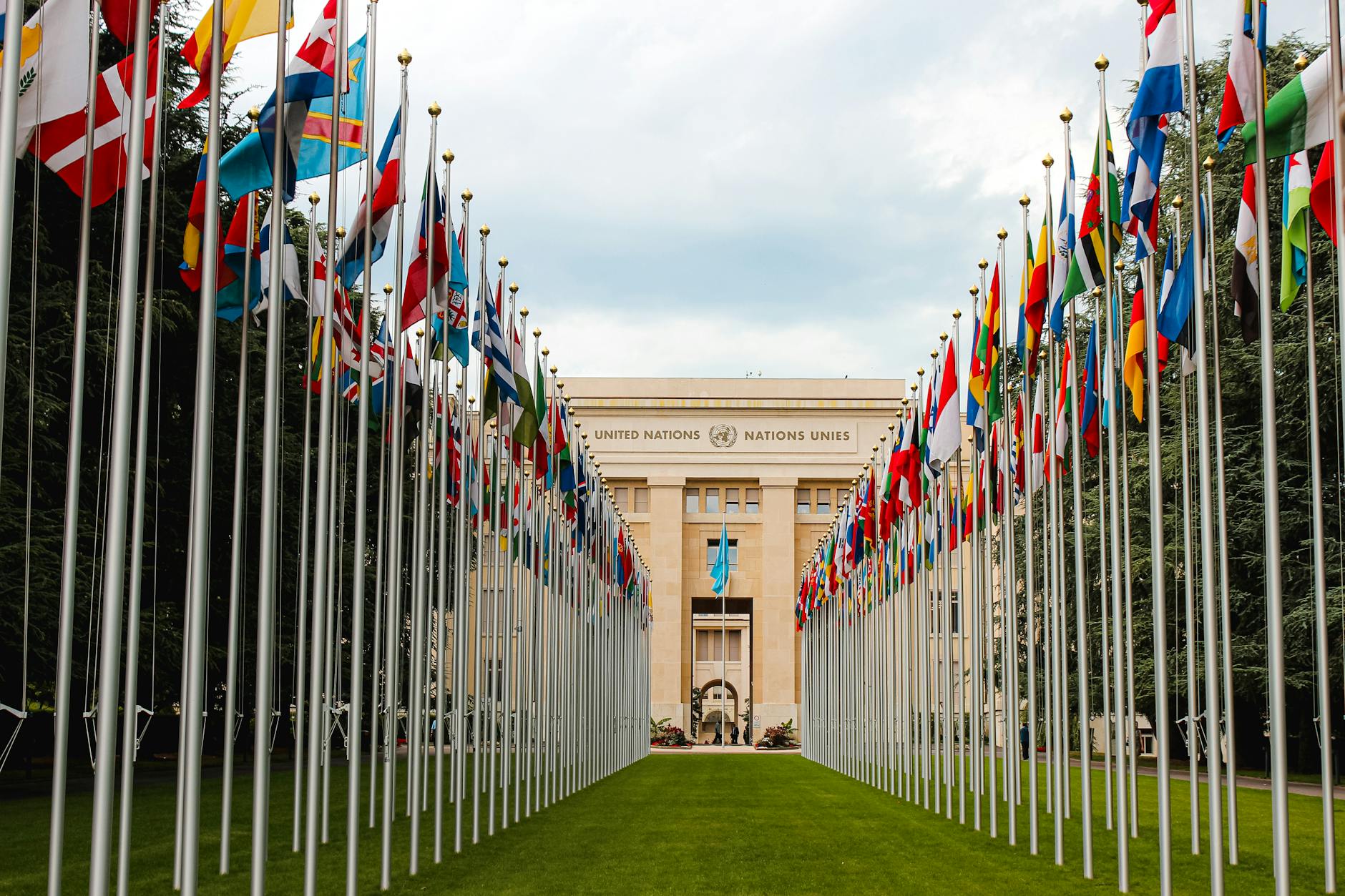 Photo by Mathias Reding / Pexels
Where State Authority Evaporates
The Colombia gold operation and the stalled Iran talks reveal something darker than mere incompetence. They show what happens when state capacity contracts.
Consider what Mexico just said: two Americans—who “reportedly worked for the CIA”—died in a car crash after a Mexican-led drug lab operation. Mexico claims these agents “weren’t permitted to operate there.” Translation: U.S. intelligence was running operations in Mexican territory without Mexican government permission or knowledge. When things went sideways, people died. And Mexico is now publicly calling it out.
That’s sovereignty reasserting itself through embarrassment. Mexico’s not claiming it wants the U.S. gone entirely—just that the U.S. can’t operate in its territory like it did in 2003. That’s a massive shift.
I’ve watched this pattern before. In Iraq around 2007-2008, as American authority weakened, you saw the same thing: foreign militaries and cartels testing boundaries, operating in gray zones, running minor ops without asking permission because asking permission meant acknowledging they had to ask. The state that couldn’t enforce rules didn’t matter anymore.
The difference now is it’s happening in multiple theaters simultaneously. Iran won’t meet with us. Netanyahu won’t wait for us. Cartels mine under Colombian military watch. Mexican cartels kill Americans and the Mexican government issues statements about jurisdiction.
Mali’s Jihadi Earthquake
Meanwhile, armed groups just launched what’s being described as the largest jihadist attack in Mali in years—coordinated hits across the center and north. This gets less attention because it’s not Israel or Iran, but consider the timing.
Mali’s government is in shambles. Its military has been buffeted by coups. Regional extremist groups have consolidated. This looks like they’re making a move, betting that global attention is elsewhere and that Mali’s neighbors are too distracted.
They’re probably right.
What This Actually Means
My read: we’re watching the erosion of post-Cold War institutional enforcement mechanisms in real time. The structures that kept gold supply chains somewhat honest, that made diplomacy something states couldn’t ignore, that preserved some notion of sovereign borders as things to respect—those structures are stressed to failure.
Trump’s canceled envoy trip isn’t an accident. It’s Iran signaling that unilateral American pressure won’t produce talks on American terms. Netanyahu’s fresh orders to attack despite a ceasefire aren’t a bluff—they’re the reality of the ceasefire. Mexico’s public complaint about CIA operations isn’t ceremony—it’s a statement that U.S. authority in the region is contingent.
And the gold? The gold is just the most tangible example. American institutions are buying and minting cartel ore because nobody in the supply chain has enough power or incentive to stop it. The guardrails broke. The cartels filled the gap.
I think this gets worse before it improves. Not dramatically worse—no World War III scenario. But we’re looking at slow-motion state capacity decline, regional militaries that won’t accept American mediation, and criminal organizations that’ve learned they can operate in government territory without serious consequence.
The question that keeps me up is whether this is permanent or a transition phase. Are we watching the death of the post-1990s order, or the birth pangs of whatever replaces it?
Photo by Mathias Reding / Pexels
What I’m Watching
-
Iran miscalculation trigger: Watch whether either Tehran or Washington makes a unilateral military move in the next 90 days that the other side interprets as escalation. A U.S. strike on Iranian nuclear facilities or an Iranian attack on a Gulf installation would shatter the “no war, no peace” stalemate instantly. The waiting game only works if both sides believe the other will stay patient.
-
Netanyahu’s Lebanon escalation threshold: If Israeli strikes kill 50+ civilians in a single operation, or if Hezbollah responds with a major cross-border attack, the “extended ceasefire” becomes fiction. Watch for the jump from dozens dead to hundreds. That’s the threshold where it becomes war again.
-
U.S. Mint gold sourcing audit: If (when?) Congress demands a full supply chain audit of Mint gold purchases, watch whether the administration complies transparently or stonewalls. Stonewalling signals the gold laundering is structural and defended. Transparency might suggest it’s being addressed.
-
Mali jihadist attacks frequency: If coordinated attacks continue monthly or accelerate, it signals extremist groups have achieved operational coordination that regional forces can’t disrupt. That becomes a second-order threat to North Africa and West Africa stability within 12 months.