Silicon Valley's Violence Problem Is Becoming Impossible to Ignore
A Molotov cocktail at Sam Altman's gate. A hit list of AI executives. Welcome to the moment when tech's conflicts turned physical.
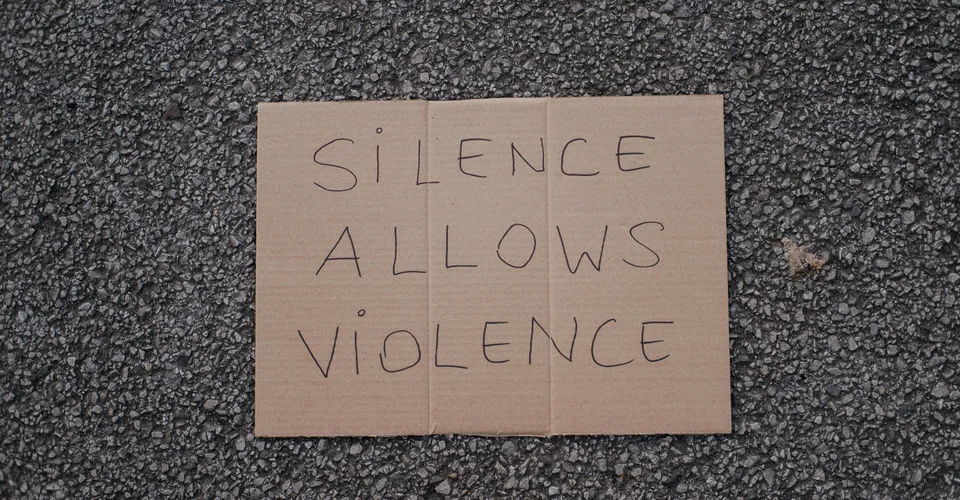
A 20-year-old threw a homemade bomb at Sam Altman’s house. Let that sit for a second.
Not a strongly worded email. Not a protest outside OpenAI’s offices. Not even a DDoS attack or data breach—the usual Silicon Valley drama. An actual Molotov cocktail, burning an exterior gate in San Francisco while the CEO of the world’s most influential AI company may or may not have been inside.
The suspect allegedly had documents “advocating for violence against AI executives.” A hit list. Of AI leaders.
This isn’t a one-off incident that’ll fade into the news cycle. This is a threshold moment. And I think we’re about to see how badly tech companies have miscalculated the cost of their decisions.
When Ideology Becomes Gasoline
Here’s what we know: The attack on Altman’s home happened. Police arrested a Texas man, who also faces federal felony charges. He had written extensively about AI threats. The documents weren’t vague philosophical musings—they advocated for violence.
Meanwhile, Rockstar Games just got hacked for the second time by young English-speaking hackers. Meta is pulling Facebook ads that were recruiting people for social media addiction lawsuits after losing a landmark California case. Roblox is scrambling to fix age-check errors that made it easy for adults to access accounts supposedly restricted to kids. And Elon Musk is casually posting on TikTok while preparing to take SpaceX public.
These aren’t connected stories. They’re chapters in the same book.
The through-line isn’t technical. It’s about power, consequences, and what happens when an entire industry operates as if those things don’t exist.
 Photo by Anete Lusina / Pexels
The Radicalization Pipeline Nobody’s Talking About
Look, I’ll be honest: I don’t fully understand what converts someone from concerned AI researcher to the kind of person who builds a bomb. That gap is real and it’s important not to flatten it.
But I think we’re being naive if we don’t notice the context. There’s a massive, visible community of people—credible AI safety researchers, philosophers, some pretty smart people—who argue that AI poses existential risks. Not manageable risks. Existential ones. The kind that could end civilization.
That message gets amplified. It reaches millions. Some of those millions are angry. Some are isolated. Some have nothing to lose.
When you tell people the stakes are literally extinction, you’re using the rhetorical equivalent of rocket fuel. If you actually believe that, what wouldn’t you do to stop it?
I’m not saying OpenAI or Sam Altman caused this attack. That’s absurd. The suspect made his own choices. But I am saying that when you operate in a space where the loudest voices on the internet are debating whether your company is building humanity’s extinction, you can’t be shocked when someone takes that seriously enough to act.
This is what happens when tech companies ignore the culture they’re creating around their own work. You can’t live in a constant state of existential stakes without consequences.
The Hacking Pattern Nobody’s Addressing
Rockstar Games getting hacked twice. By young hackers. Who released confidential source code both times.
That’s not a security story. That’s a recruitment story.
If you’re 19 years old and talented at breaking into things, and you successfully penetrate one of the world’s largest game companies—twice—you’ve just achieved what most hackers spend years chasing. Fame. Proof. Credibility.
These aren’t sophisticated nation-state actors. They’re kids who figured out how to do something impressive and got international attention for it. That’s the kind of victory that gets you recruited. By other groups. With different goals.
We’ve been here before. Not with games, but with the infrastructure that runs the internet. The pattern is always the same: young talent, public wins, escalating challenges, and eventually someone offers them money or purpose or both.
My read: The second Rockstar hack wasn’t just a security failure. It was a trial run. Not saying they’ll target critical infrastructure next. But saying that if you can hack a major entertainment company twice without getting caught, you can hack a lot of things.
Meta’s Addiction Problem Is Becoming Legally Real
Meta lost a social media addiction lawsuit in California. So they’re pulling recruitment ads for more lawsuits.
That’s panicked behavior dressed up as strategy.
The company’s trying to slow the legal bleeding by making it harder for plaintiffs to find each other. But here’s what that really signals: they know they’re indefensible on the merits. If your business model depends on engagement metrics that psychologically harm users—especially minors—you can’t win a courtroom. You can only delay and settle.
Roblox is dealing with a related but distinct problem: their age-checking technology keeps failing, which means adults can access kid accounts. That’s not incompetence. That’s scale meeting law enforcement. When you have 144 million daily users and you’re trying to verify ages across 195 countries using automated systems, errors are inevitable.
But “inevitable” doesn’t equal “acceptable.” Not anymore. Not when the liability is personal harm to children.
 Photo by nappy / Pexels
The Elon Multiverse Thing Is Weirder Than It Looks
Elon Musk showed up on TikTok. Also Instagram. He’s prepping SpaceX for a public offering.
This is a man who owns X (formerly Twitter) and is using other platforms to build his personal brand. That’s not unusual for billionaires. What’s unusual is why he might be doing it right now.
My prediction: He knows X’s advertiser situation is fragile. He’s building exit ramps. If you’re a global entrepreneur about to take a rocket company public, you don’t want your personal brand hostage to one platform’s advertiser relationships. You diversify.
Also, posting on TikTok is absurd. TikTok’s entire algorithm is opaque Chinese technology that he’s theoretically concerned about. Either he trusts it less than he claims, or he doesn’t care about consistency when it comes to personal reach. Both are interesting.
The Actual Crisis
The real story isn’t any single incident. It’s that tech’s externalities are becoming personalized and violent.
For years, tech industry consequences have been abstract: a kid spends too much time on Instagram (Meta’s problem), a game gets hacked (Rockstar’s problem), someone loses a lawsuit (everyone’s problem). Bad things, but diffuse. Nobody’s home gets firebombed.
Now someone’s home got firebombed.
That changes what’s negotiable. When consequences are metaphorical, you can argue about harm and benefit and whether the math works out in society’s favor. When they’re literal—when a CEO’s gate is on fire—the conversation becomes: “How do we prevent this from happening again?”
And that’s a conversation nobody in tech wants to have, because the honest answer involves trade-offs they’re not willing to make. Slower growth. Lower engagement. Less data collection. Less power.
So instead, they’ll tighten security. They’ll hire more guards. Sam Altman will move. And the underlying tension—between AI’s promise, its risks, and people’s genuine fear about both—will just keep building.
What I’m Watching
-
Copycat attacks by Q2 2025: If we see even one more credible threat against a tech executive’s home, we’re in a new phase. The first attack might be an outlier. The second would be a pattern. Watch for whether threat levels spike at OpenAI, Anthropic, or other AI-focused companies.
-
Meta’s legal settlement size: How much does Meta end up paying in addiction litigation? If it exceeds $500 million, that’s a signal the courts are treating this as a fundamental business model problem, not a margin-of-error issue. That changes how other platforms calculate risk.
-
Roblox compliance enforcement: Did their age-check fixes actually work? By mid-2025, we’ll know if the errors persisted or if they solved it. This is a concrete, measurable threshold—either their system functions or it doesn’t.
-
Whether Elon actually takes SpaceX public: This is the tell on whether he’s genuinely confident in his ventures or if he’s hedging. A public SpaceX offering would be enormous. A delay or withdrawal would suggest he sees headwinds coming.
The violence at Altman’s gate isn’t the end of this story. It’s the opening act.