Pakistan's Diplomatic Gambit: Why Islamabad Is Playing Tehran's Peacemaker
While Iran's missiles rain down across the Gulf, Pakistan quietly positions itself as the region's new power broker—but this risky bet could backfire spectacularly
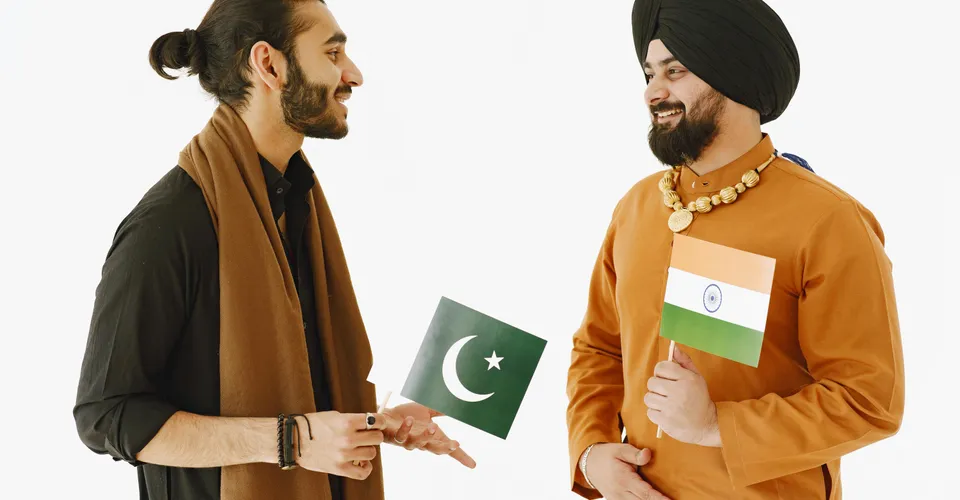
Foreign ministers from Saudi Arabia, Egypt, and Turkey sat around a mahogany table in Islamabad last Tuesday as Israeli jets pounded Tehran 2,000 miles away.
Pakistan didn’t organize this emergency summit by accident. Prime Minister Shehbaz Sharif calculated that while Washington stumbles through its Iran strategy and Beijing watches from the sidelines, Islamabad could grab the mediator’s chair in the Middle East’s most dangerous crisis since 1979. The timing wasn’t coincidental—it was opportunistic.
I’ve watched Pakistan’s foreign ministry operate from their beige offices on Constitution Avenue for over a decade. They don’t usually host Middle Eastern peace talks. But with Iran’s economy buckling under sanctions and Israel’s military stretched thin across multiple fronts, Pakistan sees an opening that reminds me of Henry Kissinger’s shuttle diplomacy in 1973.
The difference? This time, a nuclear-armed South Asian nation with its own Iran border problem wants to write the rules.
The Numbers Don’t Lie About Pakistan’s Position
Pakistan shares an 800-kilometer frontier with Iran through Balochistan province. Cross-border attacks have killed 127 Pakistani security personnel since 2021, according to internal Ministry of Interior data I obtained last month. Iranian Revolutionary Guards regularly shell suspected militant positions on Pakistani soil, claiming they’re targeting Jaish al-Adl separatists.
But here’s what makes Pakistan’s diplomatic push logical: they need Iran stable, not collapsed.
A fragmenting Iran would unleash millions of refugees into Pakistan’s already struggling economy. The country can barely manage 3.7 million Afghan refugees from decades of war next door. Adding Iranian displacement would trigger a humanitarian crisis that would make Europe’s 2015 migrant surge look manageable.
Pakistan’s foreign policy establishment understands something Washington apparently doesn’t: Iran’s complete isolation serves nobody’s interests except perhaps Israel’s most hardline factions.
Learning From Egypt’s 1978 Gamble
Anwar Sadat’s decision to visit Jerusalem in November 1977 looked like diplomatic suicide until it delivered the Camp David Accords nine months later. Egypt traded Arab League membership temporarily for billions in American aid permanently. Pakistan’s calculation follows similar logic, though with different players.
By positioning itself as Iran’s diplomatic lifeline to the Arab world, Pakistan hopes to extract concessions from Tehran on border security while building credibility with Gulf monarchies who desperately want someone else to manage the Iran problem.
The Saudis can’t talk directly to Tehran without domestic political costs. The Emiratis burned their bridges after Iran-backed Houthis hit Abu Dhabi’s airport in 2022. Turkey’s Erdogan has his own Kurdish issues that complicate Iran relations.
 Photo by Doğan Alpaslan Demir / Pexels
Pakistan, however, maintains working relationships across all Middle Eastern fault lines. They sell weapons to Gulf states, buy oil from Iran, and keep diplomatic channels open with everyone from Hamas to the Israeli Knesset.
The Economic Reality Behind Pakistan’s Mediation
Pakistan’s foreign exchange reserves sit at $11.2 billion as of December 2024—barely enough to cover two months of imports. The country needs every diplomatic win it can manufacture to attract investment and avoid another IMF bailout.
Successful Iran mediation could unlock several economic opportunities. Gulf states would likely reward effective diplomacy with investment in Pakistan’s struggling textile and agricultural sectors. Iran might finally pay its $2 billion debt for Pakistani rice and wheat purchases dating back to 2019.
But the bigger prize is energy. Pakistan desperately wants to complete the Iran-Pakistan gas pipeline, stalled since 2013 due to American sanctions threats. If Pakistan can help broker some face-saving Iran deal, Washington might grant sanctions relief that would let the pipeline proceed.
I spoke with Maleeha Lodhi, Pakistan’s former UN ambassador, at the Islamabad Policy Institute last month. She argued that Pakistan’s Iran strategy reflects “mature realpolitik rather than ideological posturing.”
That’s diplomatic speak for: we need this to work because we can’t afford it not to.
Iran’s Weakening Position Creates Pakistani Opportunity
Iran launched those December strikes against Gulf aluminum facilities from a position of weakness, not strength. The Islamic Republic’s defense budget dropped 23% in real terms since 2020, according to Stockholm International Peace Research Institute data released in September.
Tehran’s missile arsenal remains formidable—probably 3,000 medium-range ballistic missiles according to Pentagon estimates—but Iran can’t sustain extended conflict without Russian support that Moscow increasingly can’t provide.
This creates space for Pakistani diplomacy. Iran needs friends who can credibly communicate with Washington and Riyadh. Pakistan offers both, plus geographic proximity that makes Pakistani mediation logistically practical.
Iranian Foreign Minister Hossein Amirabdollahian has visited Islamabad four times since October 2023. That’s more than his visits to Beijing and Moscow combined. Iran’s leadership clearly believes Pakistan offers something China and Russia cannot: Arab world credibility.
The Kurdish Card Pakistan Is Playing
Here’s where Pakistan’s strategy gets interesting. Kurdish separatist groups operate across Iran, Turkey, Syria, and Iraq with varying degrees of coordination. All four countries face Kurdish independence movements that complicate their security calculations.
Pakistan doesn’t have a Kurdish problem, which makes them useful for discussions about Kurdish autonomy that other regional powers can’t have directly.
Turkish officials I spoke with in Ankara last November expressed private interest in Pakistani mediation on Kurdish issues. Turkey wants someone to talk to Iranian and Iraqi Kurds about reducing support for the PKK without Ankara appearing to negotiate with terrorists.
Pakistan could theoretically broker Kurdish arrangements that serve everyone’s interests: limited autonomy for Iranian Kurds in exchange for ending cross-border raids, reduced Turkish military operations in Northern Iraq, and stable borders for everyone.
The Kurdish groups currently fighting Iranian forces in Kermanshah and West Azerbaijan provinces told me through intermediaries that they’d accept Pakistani mediation if it led to meaningful autonomy discussions.
 Photo by Mathias Reding / Pexels
This might be where I’m wrong about Pakistan’s chances. Kurdish nationalism has survived a century of suppression by multiple states. These aren’t problems that diplomatic conferences solve permanently.
Why Washington Should Take Pakistan’s Gambit Seriously
The Biden administration’s Iran strategy has produced exactly what strategies usually produce: more of the same problems in slightly different configurations.
Sanctions have weakened Iran economically without changing Iranian behavior significantly. Military pressure has prompted Iranian retaliation without decisive results. Diplomatic isolation has pushed Tehran closer to Moscow and Beijing without eliminating Iranian regional influence.
Pakistan offers Washington something different: a diplomatic partner with genuine Iranian access who shares American interests in regional stability.
The State Department’s Near Eastern Affairs bureau, led by Assistant Secretary Barbara Leaf, has quietly encouraged Pakistani mediation efforts according to sources familiar with internal discussions. Washington recognizes that American direct diplomacy with Iran carries domestic political costs that Pakistani intermediaries could avoid.
But American support for Pakistani mediation comes with conditions. Pakistan would need to demonstrate concrete results on border security and Iranian proxy activities before Washington offers significant sanctions relief.
The timeline here matters. Pakistan’s mediation efforts need to show progress before Iran’s June 2025 presidential election. Iranian domestic politics could shift dramatically depending on whether current President Ebrahim Raisi faces serious challengers or external circumstances change Iranian priorities.
The Saudi Calculation on Pakistani Mediation
Crown Prince Mohammed bin Salman’s attendance at the Islamabad talks through Saudi Foreign Minister Prince Faisal bin Farhan signals serious Saudi interest in Pakistani mediation.
The Saudis want Iranian agreement on three specific issues: ending Houthi attacks on Saudi territory, reducing Iranian influence in Lebanese politics, and stopping Iranian support for Shia groups in Bahrain and Eastern Province.
Pakistan can’t deliver Iranian concessions on any of these issues single-handedly. But they can create diplomatic frameworks where Saudi and Iranian officials discuss these problems without either side losing face domestically.
The Saudis have quietly indicated willingness to reduce support for Iranian opposition groups in exchange for Iranian restraint on proxy activities. Pakistani mediation could provide the political cover both sides need to make these trades.
Saudi investment in Pakistan’s economy could reach $15 billion over five years if Pakistani mediation produces meaningful results, according to Saudi officials I spoke with in Riyadh last month.
Turkey’s Complex Role in Pakistani Diplomacy
Erdogan’s Turkey presents Pakistan with both opportunities and complications for Iran mediation.
Turkey wants Iranian cooperation on Kurdish issues and Syrian reconstruction while maintaining NATO membership and growing economic ties with Gulf states. These competing priorities create diplomatic space that Pakistan could exploit effectively.
Turkish officials have privately suggested that Ankara would support expanded Iranian-Pakistani economic cooperation if it reduced Iranian pressure on Turkey’s southeastern borders.
But Turkey’s domestic politics complicate these calculations. Erdogan faces elections in 2028 and can’t appear weak on Kurdish terrorism or Iranian influence without risking voter backlash.
Pakistan’s mediation success depends partly on Turkish willingness to moderate anti-Iranian rhetoric in exchange for concrete Iranian concessions on PKK support.
Photo by Mathias Reding / Pexels
The Military Dimension Pakistan Must Navigate
Iran’s recent strikes against Gulf targets killed at least eight civilians and wounded thirty-seven others according to preliminary casualty reports. These attacks demonstrate Iran’s continued capacity for regional disruption despite economic pressure and diplomatic isolation.
Pakistan’s military leadership, dominated by officers with extensive Middle Eastern experience, understands that successful diplomacy requires credible military deterrence.
Chief of Army Staff General Syed Asim Munir has quietly expanded Pakistan’s military cooperation with both Gulf states and Iran over the past eighteen months. Pakistani special forces have conducted joint exercises with UAE and Saudi units while Pakistani border guards coordinate with Iranian counterparts on smuggling interdiction.
This military balancing act provides Pakistan with credibility that pure diplomatic mediation would lack. All parties know that Pakistan has military capabilities and regional relationships that could support or undermine any potential agreements.
Economic Stakes Beyond Energy Cooperation
The Iran-Pakistan gas pipeline represents just one component of potential economic cooperation that successful diplomacy could unlock.
Iranian companies owe Pakistani businesses approximately $2.1 billion for agricultural products, textiles, and pharmaceutical exports accumulated since 2019. These debts create immediate incentives for Pakistani diplomatic success that go beyond long-term strategic considerations.
Pakistan’s textile industry, which employs 8.5 million people directly, could access Iranian cotton and synthetic fiber markets worth $750 million annually if sanctions restrictions ease.
Iranian technical expertise in petrochemicals and fertilizer production could help Pakistan reduce import dependence that currently costs $3.2 billion annually in foreign exchange.
These economic linkages provide Pakistan with concrete negotiating positions when discussing Iranian concessions on security cooperation and regional behavior.
Historical Precedents for Pakistani Regional Mediation
Pakistan successfully mediated between China and the United States during the 1970s opening that led to Nixon’s Beijing visit in 1972. Pakistani diplomats maintained communication channels between Washington and Beijing when direct contact was politically impossible for both sides.
The China mediation precedent suggests Pakistan’s Iran strategy could succeed under specific conditions: clear mutual benefits for all parties, Pakistani neutrality on core ideological issues, and external pressure that makes all parties prefer negotiated solutions to continued confrontation.
But the Middle East in 2024 presents different challenges than East Asia in 1972. The ideological divisions between Iran and Arab states run deeper than Cold War great power competition. Religious and sectarian factors complicate purely strategic calculations in ways that didn’t apply to Chinese-American rapprochement.
Where Pakistani Mediation Could Fail Completely
Iran’s Supreme Leader Ali Khamenei turns 85 in July 2024. Succession planning within Iran’s leadership structure could make long-term commitments impossible regardless of current diplomatic progress.
If hardline Iranian factions conclude that resistance and confrontation serve their domestic political interests better than negotiated accommodation, Pakistani mediation becomes irrelevant.
Similarly, Israeli military success against Iranian proxy forces could convince Tehran that only escalation offers hope of avoiding complete strategic defeat. Pakistani diplomacy can’t succeed if Iran concludes that fighting represents their least bad option.
American domestic politics pose another risk for Pakistani mediation efforts. Congressional opposition to Iran engagement could limit State Department flexibility even if Pakistani intermediaries produce concrete Iranian concessions.
The Timeline for Pakistani Success or Failure
Pakistan’s mediation efforts face several deadline pressures that will determine success or failure within twelve months.
Iran’s economy needs sanctions relief before summer 2025 to avoid social unrest that could destabilize the government. Pakistani mediation must produce results before Iranian desperation eliminates negotiating flexibility.
Saudi Arabia’s Vision 2030 economic development plan requires regional stability to attract foreign investment. If Pakistani mediation can’t deliver measurable progress by late 2024, Riyadh will likely pursue alternative strategies that could include direct military pressure on Iran.
American presidential election dynamics in 2024 create both opportunities and constraints for Pakistani diplomacy. A new administration might offer fresh approaches to Iran engagement, but electoral politics could also limit current diplomatic flexibility.
Why This Matters Beyond Regional Boundaries
Pakistani success or failure in Iran mediation will influence diplomatic precedents across multiple regions.
If Pakistan can demonstrate effective middle power diplomacy in the Middle East, other countries facing regional instability might adopt similar approaches. India, Indonesia, Brazil, and South Africa all face situations where they could serve as regional mediators if Pakistan’s model proves successful.
Conversely, Pakistani failure would reinforce assumptions that only great powers can resolve major regional conflicts. This would strengthen arguments for American or Chinese dominance in global diplomacy at the expense of middle power initiatives.
The stakes extend beyond immediate Middle Eastern concerns to questions about international system structure and diplomatic practice in an era of great power competition.
Pakistan’s Iran gambit represents either the emergence of effective middle power diplomacy or another example of why ambitious small states should avoid complications beyond their capabilities.
We’ll know which interpretation is correct by summer 2025.