Oil at $100, VIX at 93rd Percentile: Welcome to Trump's War Economy
Iran strikes aluminum plants, markets hit six-month lows, and nervous money flees to 30/70 conservative allocations. This isn't the Trump rally anyone ordered.
The S&P 500 just kissed six-month lows while oil screamed past $100 a barrel, and suddenly everyone’s pretending they saw this coming.
They didn’t. Nobody orders the combination platter of Iranian ground war speculation, aluminum smelter attacks in Bahrain, and a VIX sitting pretty at the 93rd percentile of its annual range. Yet here we are, watching Trump’s supposedly market-friendly administration navigate what Wall Street is already calling “TACO moments” — those delightful instances when the commander-in-chief pays attention to stock prices just as everything goes sideways.
The S&P 500 is down nearly 4% year-to-date. Oil prices are punishing everything from airline schedules to household budgets. And according to recent reports, the U.S. is making plans for Iran war ground operations while the market sits at those six-month lows, wondering if this particular geopolitical crisis can end quickly enough to avoid serious economic damage.
Welcome to 2025, where the Trump rally met the Middle East and nobody’s having a good time.
The Numbers Don’t Lie (But They’re Not Pretty)
Let’s start with what we know for certain. The VIX — that beautiful barometer of market panic — is hovering near 27, which puts it at the 93rd percentile of its past year’s range. For context, anything above the 80th percentile usually means institutional money is reaching for the Pepto-Bismol.
More telling is where that scared money is running. Conservative investors are piling into vehicles like the iShares Core 30/70 Conservative Allocation ETF (AOK), designed specifically for folks who want equity exposure without the full carnival ride. When you’re five years from retirement and watching your portfolio get bodyslammed by geopolitical chaos, a 30% equity allocation starts looking like genius-level risk management.
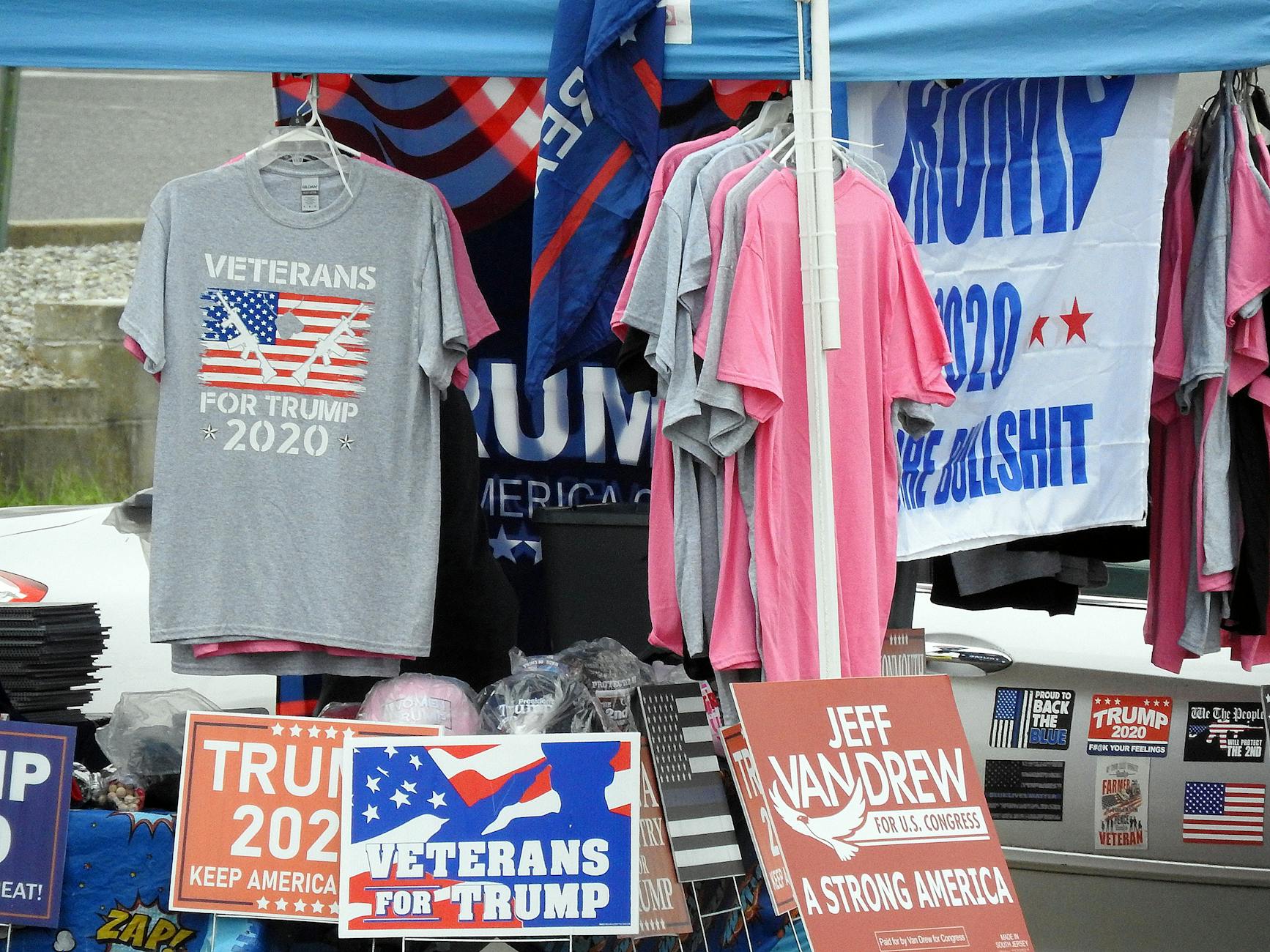 Photo by Allen Beilschmidt sr. / Pexels
Oil’s march past $100 isn’t just hurting drivers at the pump. Airlines are already announcing fewer flights and new fees as fuel costs squeeze margins. Corporate America is scrambling to adjust policies as higher energy prices ripple through supply chains, hitting consumer budgets far beyond what shows up on gas station signs.
The aluminum market got a particularly nasty wake-up call when Iranian forces reportedly targeted facilities at Aluminium Bahrain — home to the world’s largest smelter. Industrial metals were already dealing with supply chain pressures, and now we’re adding direct military strikes to the equation. That’s not exactly what commodity traders had penciled in for Q1.
Trump’s Market Attention Problem
Here’s where it gets interesting from a political economy perspective. Wall Street analysts are tracking what they’re calling “TACO moments” — instances when Trump’s famous attention to stock market performance collides with real-world policy decisions. The theory goes that a president who regularly tweets about Dow Jones milestones might adjust military strategy based on market reaction.
That sounds comforting until you realize it also means we’re potentially making foreign policy decisions based on whether the S&P 500 can hold support levels.
The Iran situation presents a particularly thorny version of this dynamic. Military escalation sends oil prices higher, which hammers consumer spending and corporate margins. But appearing weak on Middle East aggression carries its own political costs. Trump’s team is reportedly weighing ground operations while simultaneously hoping the whole thing resolves quickly enough to prevent serious economic damage.
It’s like trying to perform surgery while checking your day trading account. Theoretically possible, but probably not optimal.
Historical Rhyming (And Why It Matters)
The current setup reminds me of early 1991, when oil prices spiked above $40 during the Gulf War buildup before collapsing back to the mid-$20s once actual fighting began. Markets hate uncertainty more than they hate conflict, which explains why we often see relief rallies once shooting actually starts.
But there’s a key difference this time around. In 1991, the U.S. was running budget surpluses and interest rates had room to fall. Today we’re dealing with structural deficits and a Federal Reserve that’s already spent most of its conventional ammunition. The economic shock absorbers aren’t what they used to be.
 Photo by Markus Spiske / Pexels
The VIX at these levels also carries historical significance. We’ve seen similar spikes during the 2008 financial crisis (when it hit 80), the COVID crash of 2020 (touching 82), and various geopolitical flare-ups over the past two decades. In each case, the question wasn’t whether volatility would eventually subside — it always does — but how much damage gets done to portfolios while we wait.
One piece of potentially encouraging historical data: the S&P 500 has apparently completed some rare technical feat only four times in the past 76 years, and according to market historians, the pattern suggests good things ahead for stocks. I’ll believe it when I see it, but stranger things have happened in markets.
The Corporate Casualties Mount
Beyond the headline geopolitical drama, individual companies are already feeling real pain. Meta just suffered two separate courtroom defeats involving allegations that the company knew about its products’ harms. Legal troubles for big tech names add another layer of uncertainty to markets already dealing with war premium pricing.
On the more positive side, Eli Lilly just announced a $2.75 billion deal with Hong Kong-listed Insilico Medicine, paying $115 million upfront to bring AI-developed drugs to global markets. It’s a reminder that not every corporate story is about geopolitical risk — though good luck getting investors to focus on pharmaceutical innovation while oil prices are screaming higher.
Trump’s domestic policy agenda is also creating unexpected crosscurrents. His plan to ban big investors from home ownership might sound populist, but it could complicate larger real estate deals and add uncertainty to an already shaky housing market. When you’re trying to revive the American Dream through affordable housing legislation, unintended consequences have a way of biting back.
Energy’s Ripple Effects
The oil price surge past $100 isn’t happening in isolation. Airlines are cutting flight schedules and adding fees as fuel costs squeeze margins. Corporate America is adjusting policies across industries as energy expenses flow through supply chains.
For consumers already dealing with persistent inflation in housing and services, higher gasoline prices represent another hit to discretionary spending. The psychological impact matters too — nothing makes people feel poorer faster than watching gas prices climb while they’re stuck in traffic.
Energy sector equities should theoretically benefit from higher crude prices, but even that trade isn’t straightforward. If oil spikes trigger a broader economic slowdown, energy companies might see improved margins offset by reduced demand. It’s the classic commodity curse: higher prices help revenues right up until they kill demand.
Photo by Markus Spiske / Pexels
The aluminum attack in Bahrain adds another dimension to industrial commodity markets. When military forces start targeting production facilities, supply chain managers have to factor in risks that don’t show up in normal economic models. How do you hedge against the possibility that your primary supplier might get bombed?
What I Think Happens Next
My read is that we’re in for several more weeks of elevated volatility while markets try to price in the probability of extended Middle East conflict. Oil prices will likely remain elevated until we get clearer signals about military escalation or de-escalation.
The conservative allocation trade makes sense for investors genuinely worried about portfolio preservation. A 30/70 equity/bond split won’t capture full upside if markets recover quickly, but it also won’t destroy retirement plans if things get worse. For people within five years of stopping work, capital preservation trumps growth optimization.
Trump’s attention to market performance could actually work in investors’ favor if it encourages quicker resolution of the Iran situation. Nobody wants to head into midterm election season with oil at $120 and the S&P 500 testing 2023 lows. Political self-interest might align with market stability for once.
The bigger question is whether we’re seeing the early stages of a more persistent inflationary shock. If Middle East tensions remain elevated for months rather than weeks, energy costs could filter through to broader price pressures. The Federal Reserve would face the ugly choice between supporting markets and controlling inflation.
I suspect we get some kind of resolution within the next 30-45 days, simply because neither side can afford extended economic disruption. But markets rarely make things that easy.
The Recession Question Nobody Wants to Ask
Recent analysis suggests mixed signals about whether the U.S. enters recession in 2026. There’s apparently good news and not-so-good news for investors, which sounds about right for an economy trying to thread the needle between growth and stability.
Adding potential war costs and energy price shocks to an already uncertain economic outlook doesn’t improve the odds. Military spending provides some fiscal stimulus, but oil at $100+ acts like a tax on everything else. The net effect depends on timing and duration — variables that markets hate trying to predict.
My gut says we avoid technical recession in 2026 if the Iran situation resolves reasonably quickly. But we’re definitely looking at slower growth and continued market volatility as the new normal. The days of low interest rates, cheap energy, and geopolitical stability feel increasingly distant.
Playing Defense in Dangerous Times
This environment demands defensive thinking from portfolio managers and individual investors alike. The conservative allocation trend toward funds like AOK reflects genuine uncertainty about risk-adjusted returns in traditional equity strategies.
But playing defense doesn’t mean hiding under the bed. Energy exposure makes sense as both an inflation hedge and a direct play on geopolitical risk. Industrial commodity names could benefit from supply disruptions, even if broader economic growth slows.
The key is position sizing and risk management. Nobody should be making leveraged bets on Middle East outcomes or oil price direction. But modest overweights in sectors that benefit from current trends can provide portfolio insurance without destroying returns if things calm down.
Technology remains the wild card. Meta’s legal troubles aside, the sector offers some insulation from energy costs and geopolitical risk. The Eli Lilly AI deal shows that innovation continues regardless of headlines from Tehran and Tel Aviv.
What I’m Watching
-
Oil price action around the $100 level — If crude breaks significantly higher, we’re looking at broader economic damage. If it starts falling back toward $85-90, markets will breathe easier and start focusing on other factors.
-
VIX behavior over the next two weeks — Sustained readings above 25 suggest institutional fear isn’t going away quickly. A drop back toward 20 would signal some return to normal risk appetite.
-
Corporate earnings guidance changes — Companies will start adjusting forward projections based on energy costs and demand expectations. The magnitude of those changes will tell us how seriously management teams view current disruptions.
-
Federal Reserve communications around inflation risks — If policymakers start talking about energy-driven price pressures, markets will have to factor in the possibility of less accommodative monetary policy despite economic uncertainty.