Democracy's Weird Week: When Dogs, Tremors, and Asylum Fraud Collide
Elections heating up globally while trust in institutions cracks. Here's what actually matters in this chaotic news cycle.
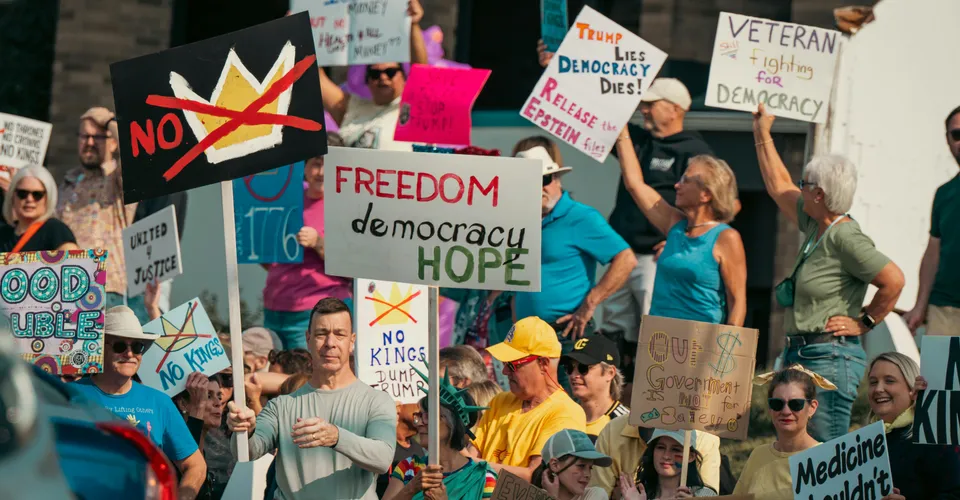
This is the moment where you realize democracy isn’t breaking down so much as it’s revealing how messy it always was.
We’ve got elections ramping up across three continents. We’ve got a sitting US senator disclosing a medical condition after social media pile-ons. We’ve got an immigration system so broken that people are literally coaching asylum seekers to fake their sexual orientation to stay in the country. And somewhere in all of this, there are dogs at polling stations, which—fine, okay, that’s genuinely nice.
The real story isn’t any single headline. It’s the pattern underneath: institutions are simultaneously trying to restore public trust while getting caught in scandals that confirm why people stopped trusting them in the first place.
The Asylum Fraud Thing Should Terrify People
Let’s start with the BBC investigation that led to two arrests. Immigration advisers helping asylum seekers fabricate their sexual orientation to secure residency. This isn’t a gray area. This is the asylum system so corrupted that the people paid to administer it are actively coaching fraud.
Here’s what gets me: this only came out because a journalist did their job. The system itself didn’t catch this. The vetting, the interviews, the bureaucratic machinery that’s supposed to distinguish between legitimate claims and fraudulent ones—it failed so completely that you needed the BBC to blow it open.
And then Keir Starmer, facing pressure over the sacking of Sir Olly Robbins (that whole vetting row with the civil service), writes to civil servants telling them to speak “truth to power.” Noble sentiment. But you can’t simultaneously have advisers running immigration fraud schemes and expect people to believe your institutions have integrity.
This is the trap every democratic government faces right now. You can’t restore trust by asking people to trust you more. You restore it by making it actually hard to commit fraud. By making the stakes clear. By acting like these aren’t just bad optics but systemic failures that demand structural fixes.
 Photo by Chris F / Pexels
Elections Are Happening, But What Election Actually Matters?
Scotland and Wales start counting Friday. England overnight. California’s got a chaos primary with four candidates fighting for succession. Trump’s hosting Brazil’s president after their relationship thawed enough to sit at the same table.
My read: none of these elections will surprise anyone paying attention, and that’s the problem.
The California governor’s race is a “chaotic field”—okay, but four candidates have already separated themselves as leaders. That’s not chaos, that’s just a primary doing what primaries do. The Scottish and Welsh elections matter if you care about devolution politics, which basically means they matter to people in Scotland and Wales. Trump hosting Lula? That’s just two presidents who’ve spent months being weird about each other finally pretending they get along long enough to discuss security and trade. It’s transactional. It’s fine. It’s not surprising.
What I’m actually watching is whether the California race reveals anything about voter sentiment on housing and insurance that might predict November. The debate showed candidates “furiously attacking one another” at the end. Great. That’s combat. But did anyone move the needle on substantive policy, or did they just perform anger for the cameras?
The answer matters because California’s basically a proxy for whether voters care about governance or just want entertainment. If this race gets decided on who yelled the loudest, we’ve got bigger problems than one election.
The Susan Collins Tremor Reveal Is Peak 2024
A 73-year-old senator running for re-election discloses a benign tremor after social media scrutiny.
Let me be direct: online speculation about someone’s health is genuinely gross. The left-wing accounts obsessing over Collins’ visible tremor were doing exactly what they’d rightfully condemn if it came from the right. Collins’ decision to disclose it publicly—saying she’s had it a long time, it’s benign, doctors have confirmed it—that’s reasonable. That’s her saying, “I’m answering this directly because it’s fair to ask.”
But here’s the uncomfortable part: she had to answer because the internet made her answer. Not because journalists asked a serious question. Not because there’s actual evidence of a health issue affecting her cognition. She answered because a Twitter pile-on forced her hand.
This is what we’ve normalized. Collective armchair diagnosis via social media becomes pressure becomes forced disclosure becomes “see, we were right to investigate.” Except we weren’t. We were just loudly speculating, and then we called that accountability.
Collins is running for re-election in Maine in what’s described as “one of this year’s top Senate races.” That makes her seat genuinely competitive. If she loses, it won’t be because of a tremor. It’ll be because Maine voters decided to vote her out. But the tremor discourse was noise that distracted from actual policy disagreements.
 Photo by Markus Winkler / Pexels
Trump’s Georgia Obsession Just Won’t Die
The FBI got to keep records seized from Georgia related to the 2020 election. Trump’s quest for “redemption” in a state he lost is still driving litigation years later.
Think about what this means: a former president is still litigating 2020 in ways that consume judicial resources and keep his grievance alive as political fact. The county is likely to appeal, which means this goes on. And on.
This isn’t a secret conspiracy anymore. It’s just… the thing that’s happening. Trump wants Georgia back, legally if possible, and he’s got the resources and attention to keep pushing. The judge’s ruling isn’t surprising. But the fact that we’re still doing this in 2024 is genuinely absurd.
I think this accelerates the narrative that Trump’s political future depends on resolving (or controlling the story around) 2020. He can’t just move on. He won’t. Which means every court ruling becomes part of his campaign story, and every appeal becomes an opportunity to keep the wound open.
The Jet Fuel Thing Nobody’s Talking About
Airlines cut 13,000 flights in May because jet fuel prices spiked due to Middle East conflict. People are being urged not to panic-cancel.
This is buried in the headlines, but it’s real infrastructure stress. The global supply chain gets pinched when geopolitics hits fuel prices. Your flight might get cut. Your summer travel might reorganize itself. And nobody’s really talking about how a regional conflict thousands of miles away affects your ability to visit your family.
My prediction: this becomes a bigger political story if prices don’t stabilize by August. If we’re still canceling thousands of flights when people want to travel for late-summer vacation, you’ll see this get weaponized by whoever’s in power and blamed by whoever’s not.
What I’m Watching
-
Scottish and Welsh counting Friday / English results overnight: Pay attention to whether voter turnout looks normal or depressed. Turnout tends to predict November in ways individual races don’t. If people aren’t showing up now, they might not show up in bigger elections.
-
California debate impact on final numbers: The “furious attacks” suggest candidates are differentiating, which is good. Watch if any candidate gains ground in the next polling after demonstrating actual policy disagreements. If the race tightens or shifts significantly, it means substance moved votes. If nothing changes, it was just theater.
-
Collins’ Maine re-election trajectory through summer: She’s 73, she’s got a benign tremor that Twitter found, and she’s in a competitive race. Watch whether Maine voters treat this as the medical non-issue she’s framed it as, or whether the social media storm affected her standing. This is basically a test of whether 2024 voters are over performative health scrutiny.
-
How long the Georgia 2020 litigation stays front-page news: Every appeal, every ruling, every new filing—it keeps Trump’s grievance alive. If this stays visible through summer, it becomes a dominant campaign narrative. If it slides into legal pages, it matters less politically. Watch the news cycle’s appetite for round-number updates on old cases.