Britain's Earthquake and Trump's Chaos: Why Allies Are Quietly Panicking
Reform's stunning UK gains and Trump's unpredictable foreign policy are destabilizing two of the world's oldest democracies—and the fallout is just beginning.
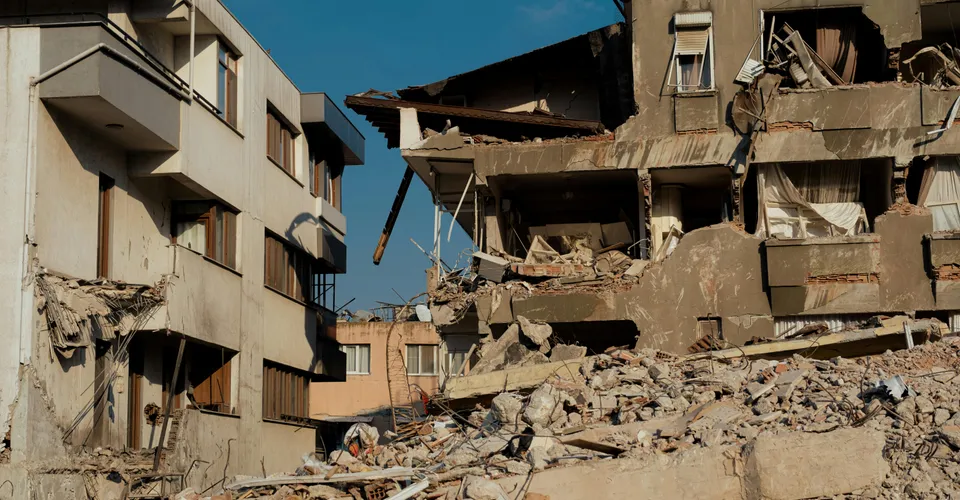
The British political establishment woke up this week to find the ground had shifted beneath their feet. Reform UK is surging. Labour is bleeding seats in its own heartland. And across the Atlantic, an American president just backed down from an Iran confrontation because the Saudis—his supposed closest ally—essentially said no.
These aren’t separate stories. They’re symptoms of the same disease: traditional political power is fracturing, and nobody’s sure who’s actually in charge anymore.
The Tectonic Shift Nobody Expected
Let’s start with what’s happening in Britain. Early council election results show Reform UK making real gains at Labour’s and the Conservatives’ expense. That’s not a polling quirk or a protest vote that’ll evaporate by autumn. People are actually voting for them.
Here’s what makes this different from past insurgent movements: Reform isn’t winning because people love their policies. Reform is winning because voters have decided both major parties are finished.
Labour sources are bracing for something almost unthinkable—an end to their century-long winning streak in Wales, where they’ve dominated Senedd elections (that’s the Welsh parliament, for Americans keeping score). Counting begins this week, but Labour’s own people are already conceding the loss.
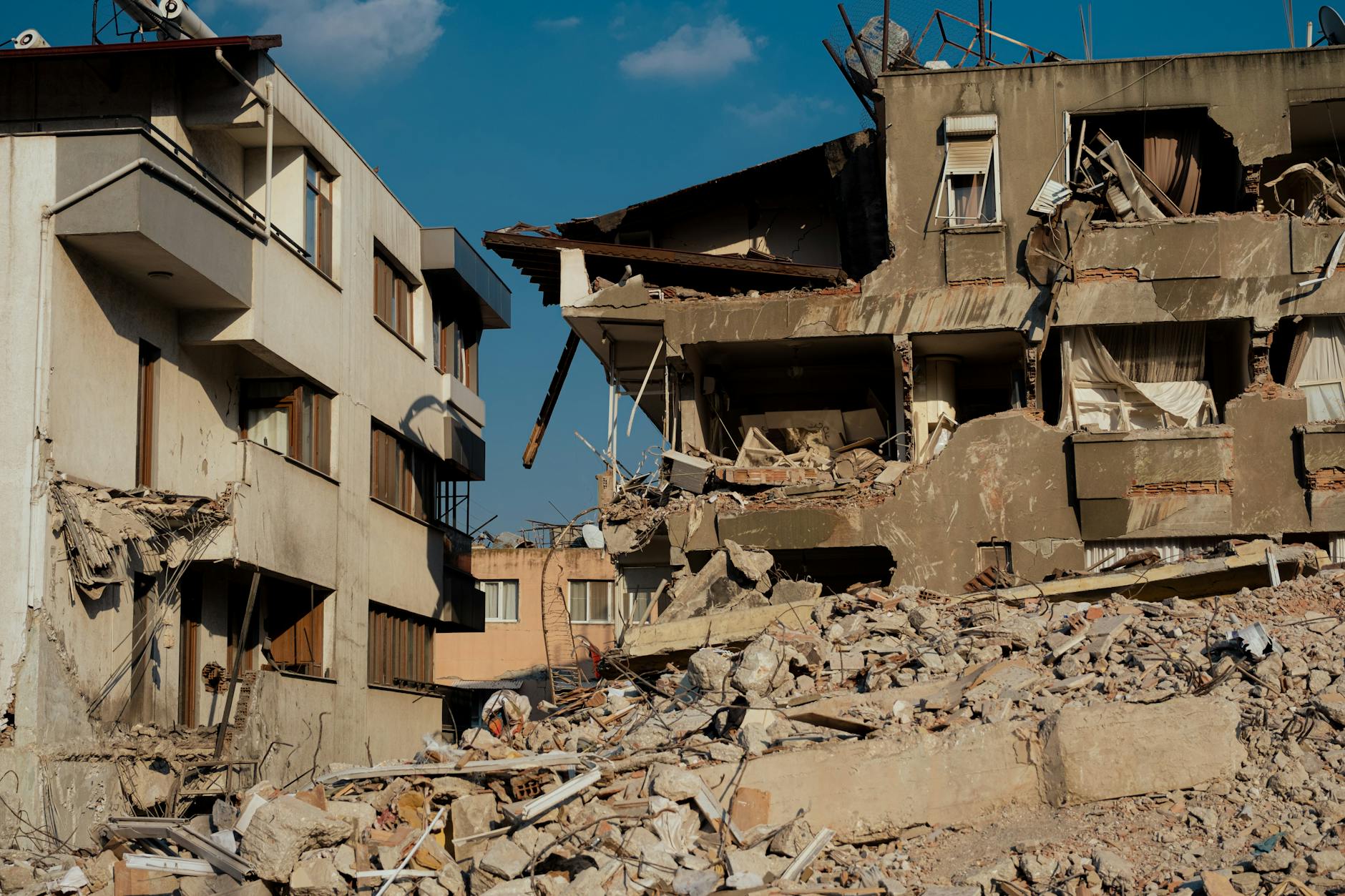 Photo by Doruk Aksel Anıl / Pexels
The Conservatives aren’t in a position to gloat. They’re losing their own strongholds, and not to each other. They’re losing to a party that didn’t exist five years ago as a credible electoral force.
I’ve covered enough British politics to know what this feels like. It’s 1997 before Tony Blair’s landslide, except weirder—because back then, there was an obvious alternative people believed in. Right now? Reform’s appeal seems almost negative. It’s less “Reform will fix things” and more “everything else has failed us so badly that we’ll try the guys in purple.”
Trump’s Moment of Weakness Disguised as Strength
Now flip across the Atlantic to what just happened with Saudi Arabia.
Trump wanted to confront Iran over the Strait of Hormuz. He ordered strikes on Iranian targets. Iran returned fire. And then—this is the kicker—he quietly reversed his plan because the Saudis wouldn’t give him air support.
Think about what that means. The president of the United States, a man who made unpredictability his brand, got told no by a regional ally he’d spent months cultivating. And he took it.
The narrative out of the White House is probably that this is strategic patience or some other spin. But here’s my read: Trump’s unpredictability has a cost, and the Saudis just charged it to his account. When you keep everyone guessing about your next move—when you withdraw from agreements, threaten allies, and flip positions based on the latest cable news segment—eventually the people you need for your big plans decide they can’t trust you.
Saudi Arabia didn’t refuse air support because they’re pacifists. They refused because they don’t believe Trump has a coherent Iran strategy. They think he’s winging it. And honestly, the evidence backs them up.
 Photo by Andrew Neel / Pexels
This matters because it reveals something about power that the messy UK election results also suggest: you can’t govern by disruption alone, and you can’t lead by being unpredictable to everyone including your allies.
The Fetterman Tell
Buried in the week’s political rubble is a quote that tells you everything about where the Democratic Party’s nerves are actually fraying.
Pennsylvania Senator John Fetterman wrote an opinion piece saying he has “no plans” to leave the Democratic Party, despite being “at odds” with the party’s approach on some issues.
Notice the framing. He didn’t say he’s going anywhere. He just felt compelled to say it. That’s what weak parties sound like—not when they’re losing elections, but when they’re losing the ability to keep their people in line.
Fetterman’s not threatening to leave. He’s just reminding people he could. The fact that he felt the need to write an op-ed about it suggests Democratic leadership is spooked about defections.
What’s Actually Happening Underneath
Both sides of the Atlantic are experiencing the same breakdown: institutions that held power through legitimacy and consent are losing both.
Britain’s old parties got 70-odd years of implicit permission to govern. They built hospitals, created welfare states, managed the Cold War. People trusted them even when they didn’t love them. That permission is being revoked. Reform didn’t earn their vote; Labour and the Conservatives lost theirs.
Similarly, Trump’s ability to act unilaterally—to withdraw from agreements, reshape policy by tweet, operate outside normal channels—depends on allies accepting his chaos as manageable. The moment the Saudis said no, that contract broke. He can still do damage, but he can’t do it with anyone’s help anymore.
This is what the State Department’s move to review Mexican consulates actually reflects too. Right-wing media makes claims about electoral interference, and suddenly a major agency has to respond, not because the claims are substantiated but because the political permission structure has shifted enough that even embassy operations are now contested ground.
My Honest Uncertainty Here
I’ve been doing this long enough to know when I’m genuinely unsure about what comes next.
The UK could stabilize if Labour wins a general election and proves competent. Voters might reward stability. Or Reform could keep growing and actually remake British politics—which would be genuinely historic and almost certainly chaotic.
Trump could either find his footing internationally or continue this spiral where even his allies won’t back his plays. I don’t know which. What I know is that it’s working so far domestically because the Republicans control Congress. Internationally, he’s got maybe two more reversals like the Saudi one before people stop taking his threats seriously at all.
What I’m Watching
Scottish and Welsh results hitting Friday afternoon. If Labour loses Scotland too, we’re not talking about a bad election cycle—we’re talking about a party that’s lost every corner of the UK. That’s when talk of leadership changes gets serious. Watch whether Keir Starmer’s name is being whispered by Sunday morning.
The next Trump-Iran test within 90 days. He backed down once. Will he try again with more force to prove he’s not weak? Or will he find an off-ramp that looks like victory? The answer determines whether Middle Eastern allies trust him enough to cooperate on whatever comes next with Israel, Iraq, or the Gulf states.
Reform’s local election performance across May if there are further contests. Protest votes that materialize in one round sometimes evaporate. If they hold at 15-20 percent+ share of the vote across multiple local elections, you’re looking at genuine realignment, not a blip.
Whether other Democrats start testing distance from the party like Fetterman did. If this becomes a pattern—if you see three or four more senators or representatives writing pieces about their “concerns” with party direction—the internal fracturing becomes as important as the electoral losses.
The old structures are cracking. Whether they collapse or get repaired determines everything about the next decade of politics on both sides of the Atlantic.